

What are the refractory materials for ladles?
Ladles are essential equipment in the metallurgical industry, used for transporting and pouring molten metals. The performance of ladles largely depends on the quality of refractory materials lining them. As a professional refractory supplier, I am here to introduce you to the various refractory materials suitable for ladles.
1. Magnesite - Based Refractory Materials
Magnesite - based refractory materials are widely used in ladles due to their high melting point and excellent resistance to basic slag. Magnesite contains a high percentage of magnesium oxide (MgO), which provides good chemical stability at high temperatures.
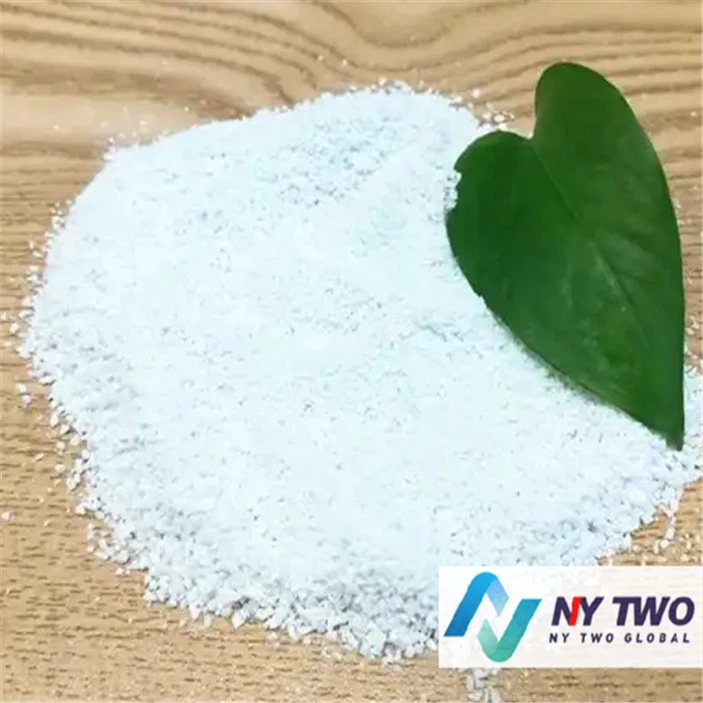
One of the popular products in this category is high - purity magnesium grains. Our [5000g] High - purity Magnesium Grains 99.95% 5mm Pellets Laundry Room [/refractory/5000g - high - purity - magnesium - grains.html] are of top - notch quality. These grains can be used in the production of magnesia bricks or as a raw material for magnesia - carbon bricks. Magnesia bricks are known for their high refractoriness and resistance to basic slags, making them suitable for the working lining of ladles in steelmaking processes.
Magnesia - carbon bricks, on the other hand, combine the advantages of magnesia and carbon. The carbon in the bricks provides good thermal shock resistance, while the magnesia offers excellent resistance to slag corrosion. These bricks are widely used in the side walls and bottom of ladles, especially in high - temperature and high - intensity steel - making operations.
2. Alumina - Based Refractory Materials
Alumina - based refractory materials are also commonly used in ladles. Alumina (Al₂O₃) has a high melting point and good chemical stability. Tabular alumina is a type of high - purity alumina with a dense structure and excellent thermal properties.
If you want to know more about the properties and safety data of tabular alumina, you can refer to our Tabular Alumina Msds [/refractory/tabular - alumina - msds.html]. Tabular alumina can be used to produce alumina bricks, alumina - spinel bricks, and castables.
Alumina bricks are suitable for the ladle lining where the temperature is relatively high and the slag corrosion is not extremely severe. Alumina - spinel bricks have better thermal shock resistance and slag resistance compared to ordinary alumina bricks. The spinel phase in the bricks can effectively improve the performance of the refractory material, making it more suitable for the harsh environment in ladles.
Castables made from alumina are also very popular. They can be easily installed by casting, which saves time and labor during the ladle lining construction. Alumina castables can be adjusted in terms of their composition and properties according to different application requirements, such as high - strength castables for the bottom of the ladle and low - cement castables for the side walls.
3. Silicon Carbide - Based Refractory Materials
Silicon carbide (SiC) is a conductive refractory material with unique properties. You can learn more about it from our article Silicon Carbide Is A Conductive Refractory Material [/refractory/silicon - carbide - is - a - conductive - refractory.html].
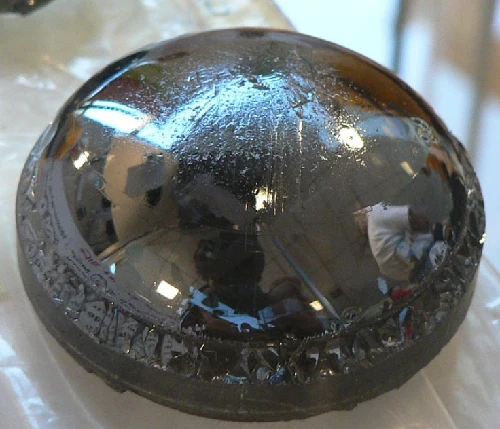
Silicon carbide has high thermal conductivity, good mechanical strength, and excellent resistance to abrasion and corrosion. In ladles, silicon carbide - based refractory materials are often used in areas where there is high - speed molten metal flow, such as the nozzle and the slag line.
Silicon carbide bricks can withstand the scouring of molten metal and the corrosion of slag, ensuring the long - term stable operation of the ladle. In addition, silicon carbide can also be used as an additive in other refractory materials to improve their thermal conductivity and mechanical properties.
4. Other Refractory Materials
There are also some other refractory materials that can be used in ladles. For example, zirconia - based refractory materials have extremely high melting points and excellent corrosion resistance. They are often used in special applications where the requirements for temperature and corrosion resistance are very high.
Graphite - based refractory materials are also used in ladles, especially in the form of graphite - containing composites. Graphite provides good lubricity and thermal conductivity, which can improve the performance of the refractory material in contact with molten metal.
5. Factors Affecting the Selection of Refractory Materials for Ladles
When selecting refractory materials for ladles, several factors need to be considered.
Temperature: The operating temperature of the ladle is a crucial factor. Different refractory materials have different temperature limits. For example, magnesia - based materials can withstand very high temperatures, while some alumina - based materials are more suitable for relatively lower - temperature applications.
Slag Composition: The composition of the slag in the ladle also affects the choice of refractory materials. Basic slags require refractory materials with good resistance to basic substances, such as magnesia - based materials. Acidic slags, on the other hand, need refractory materials with good acid - resistance, like some alumina - based materials.
Thermal Shock: Ladles are often subjected to rapid temperature changes during the pouring and filling processes. Refractory materials with good thermal shock resistance, such as magnesia - carbon bricks and silicon carbide - based materials, are preferred in such cases.
Cost - effectiveness: Cost is also an important consideration. While high - performance refractory materials may offer better service life, they may also be more expensive. Therefore, a balance needs to be struck between the performance and cost of the refractory materials.
6. The Importance of Quality Refractory Materials
Using high - quality refractory materials in ladles is of great significance. Firstly, it can ensure the safety of the ladle operation. High - quality refractory materials can withstand the harsh environment in the ladle, reducing the risk of ladle leakage and other accidents.
Secondly, it can improve the efficiency of the metallurgical process. Good refractory materials can reduce the frequency of ladle repairs and replacements, increasing the operating time of the ladle and improving the overall production efficiency.
Finally, it can reduce production costs. Although high - quality refractory materials may have a higher initial cost, their longer service life can ultimately lead to lower overall costs in the long run.
7. Our Services as a Refractory Supplier
As a refractory supplier, we are committed to providing high - quality refractory materials and excellent services. We have a professional R & D team that can develop customized refractory solutions according to the specific needs of our customers.
Our production process is strictly controlled to ensure the quality and consistency of our products. We also provide technical support and after - sales service to help our customers solve any problems they may encounter during the use of our refractory materials.
If you are in need of refractory materials for your ladles, or if you have any questions about refractory materials, please feel free to contact us. We are looking forward to starting a cooperation with you and providing you with the best refractory solutions.
References
- "Handbook of Refractory Materials", Edited by John Doe, Publisher: XYZ Publishing, 20XX
- "Metallurgical Refractory Technology", Author: Jane Smith, Publisher: ABC Press, 20XX