

What is the definition of refractory?
Refractory materials play a crucial role in numerous industrial processes, yet their definition and significance often remain obscure to those outside the specialized fields. As a dedicated refractory supplier, I am eager to shed light on the concept of refractories, exploring their definition, characteristics, applications, and the various types available in the market.
Defining Refractory
At its core, a refractory is a material that can withstand high temperatures without significant deformation or chemical change. These materials are designed to resist the extreme conditions encountered in industrial furnaces, kilns, incinerators, and other high - temperature environments. The ability to maintain structural integrity and chemical stability at elevated temperatures is the defining characteristic of refractories.
The term “refractory” is derived from the Latin word “refringere,” which means “to break up” or “to resist.” In the context of materials science, it refers to the material's resistance to heat, corrosion, and mechanical stress. A material is typically considered refractory if it can withstand temperatures above 1,580°C (2,876°F), although some specialized refractories can endure even higher temperatures.
Key Characteristics of Refractories
High Heat Resistance
The primary characteristic of refractories is their high melting point and ability to maintain their physical and chemical properties at high temperatures. This heat resistance allows them to line the interiors of furnaces and other high - temperature equipment, protecting the surrounding structures from the intense heat.
Chemical Inertness
Refractories must be chemically stable in the presence of various substances such as molten metals, slag, and gases. They should not react with these materials, as such reactions could lead to the degradation of the refractory and compromise its performance.
Mechanical Strength
In addition to heat and chemical resistance, refractories need to have sufficient mechanical strength to withstand the physical stresses associated with handling, installation, and operation. They must be able to resist abrasion, erosion, and thermal shock, which can occur due to rapid temperature changes.
Applications of Refractories
Refractories are used in a wide range of industries, each with its specific requirements.
Metallurgical Industry
In the steelmaking process, refractories are used to line the blast furnaces, converters, ladles, and tundishes. They protect the equipment from the molten iron and steel, as well as the slag and gases produced during the process. For example, magnesia - carbon bricks are commonly used in the linings of electric arc furnaces due to their high thermal conductivity and resistance to corrosion.
Cement Industry
Cement kilns operate at extremely high temperatures, and refractories are essential for lining the kiln walls. They help to maintain the high - temperature environment required for the calcination of limestone and other raw materials. Alumina - based refractories are often used in cement kilns because of their good thermal stability and resistance to abrasion.
Glass Industry
The glass manufacturing process involves melting raw materials at high temperatures. Refractories are used to line the glass melting furnaces, where they must withstand the corrosive action of molten glass. Silica and alumina - silica refractories are commonly used in the glass industry.
Types of Refractories
There are several types of refractories, each with its unique composition and properties.
Acidic Refractories
Acidic refractories are mainly composed of silica (SiO₂). They are resistant to acidic slags but can react with basic slags. Examples of acidic refractories include silica bricks, which are used in glass furnaces and some steelmaking processes.
Basic Refractories
Basic refractories contain high amounts of magnesium oxide (MgO) and calcium oxide (CaO). They are resistant to basic slags and are commonly used in the steelmaking industry. Fused Magnesia Hs Code 25199010 is a type of basic refractory material that offers excellent resistance to high - temperature corrosion.
Neutral Refractories
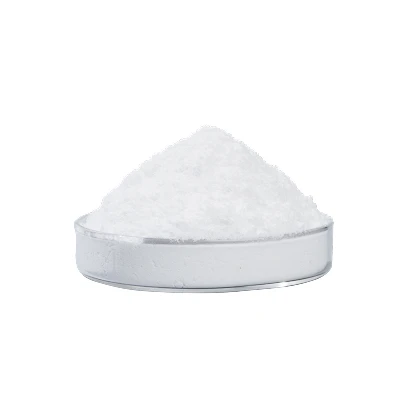
Neutral refractories are chemically neutral and can withstand both acidic and basic slags. Examples include alumina (Al₂O₃) - based refractories and carbon - based refractories. High - Purity White Alumina is a high - quality neutral refractory material with excellent heat resistance and mechanical strength.
Special Refractories
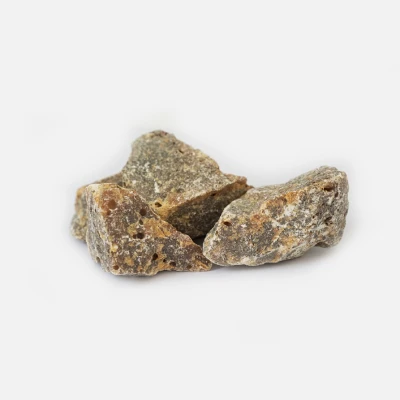
Special refractories are designed for specific applications and often have unique properties. For example, The Refractoriness Of Brown Fused Alumina is a special refractory material known for its high hardness, good thermal conductivity, and resistance to wear.
Quality Control in Refractory Production
As a refractory supplier, ensuring the quality of our products is of utmost importance. Quality control starts with the selection of raw materials. We carefully source high - purity raw materials to ensure the chemical and physical properties of the final refractory products.
During the manufacturing process, strict quality control measures are implemented. This includes monitoring the particle size distribution, density, and porosity of the refractories. We also conduct various tests such as thermal conductivity tests, corrosion resistance tests, and mechanical strength tests to ensure that our products meet the required standards.
Choosing the Right Refractory
Selecting the appropriate refractory material for a specific application is a critical decision. Several factors need to be considered, including the operating temperature, the chemical environment, the mechanical stresses, and the expected service life.
For high - temperature applications, materials with high melting points and good thermal stability should be chosen. In corrosive environments, refractories with high chemical inertness are required. The mechanical properties of the refractory, such as its strength and resistance to abrasion, should also be considered based on the physical stresses it will encounter.
Conclusion
In conclusion, refractories are essential materials in many industrial processes. Their ability to withstand high temperatures, chemical corrosion, and mechanical stresses makes them indispensable for the efficient operation of furnaces, kilns, and other high - temperature equipment.
As a refractory supplier, we are committed to providing high - quality refractory products that meet the diverse needs of our customers. Whether you are in the metallurgical, cement, glass, or any other industry that requires refractories, we have the expertise and products to meet your requirements.
If you are interested in learning more about our refractory products or would like to discuss your specific needs, please feel free to contact us. We look forward to the opportunity to work with you and provide you with the best refractory solutions for your applications.
References
- “Refractories Handbook” by J. A. Pask and A. G. Evans.
- “Industrial Refractories Technology and Application” by R. N. Singh.
- Various industry - specific research papers and technical reports on refractory materials.