

What are the refractory materials for medium - temperature kilns?
Medium-temperature kilns play a crucial role in various industrial processes, such as ceramics production, heat treatment, and some metallurgical operations. The choice of refractory materials for these kilns is of utmost importance as it directly impacts the kiln's performance, longevity, and the quality of the products being processed. As a refractory supplier, I have in - depth knowledge of the suitable refractory materials for medium - temperature kilns, and I'm here to share this information with you.
Understanding Medium - Temperature Kilns
Medium - temperature kilns typically operate in the temperature range of 800°C to 1500°C. This temperature range is different from low - temperature kilns (below 800°C) and high - temperature kilns (above 1500°C). The operating conditions in medium - temperature kilns demand refractory materials that can withstand thermal stress, chemical corrosion, and mechanical wear within this specific temperature bracket.
Common Refractory Materials for Medium - Temperature Kilns
1. Fireclay Bricks
Fireclay bricks are one of the most widely used refractory materials for medium - temperature kilns. They are made from fireclay, which is a natural clay with high alumina content. Fireclay bricks have good thermal insulation properties, which help in reducing heat loss from the kiln. They are also relatively inexpensive compared to some other refractory materials.
The alumina content in fireclay bricks can vary, usually ranging from 25% to 45%. Bricks with higher alumina content generally have better refractoriness and resistance to chemical attack. Fireclay bricks are suitable for applications where the temperature is relatively stable and the chemical environment is not overly aggressive. For example, they are commonly used in the lining of some ceramic kilns and heat - treatment furnaces.
2. High - Alumina Bricks
High - alumina bricks contain a higher percentage of alumina (usually above 45%) compared to fireclay bricks. This higher alumina content gives them better refractoriness, strength, and resistance to chemical corrosion. High - alumina bricks can withstand higher temperatures and more severe operating conditions than fireclay bricks.
In medium - temperature kilns, high - alumina bricks are often used in areas where the temperature is closer to the upper end of the medium - temperature range or where there is a need for better mechanical strength. For instance, they can be used in the burner areas of kilns or in parts of the kiln that are subject to abrasion.
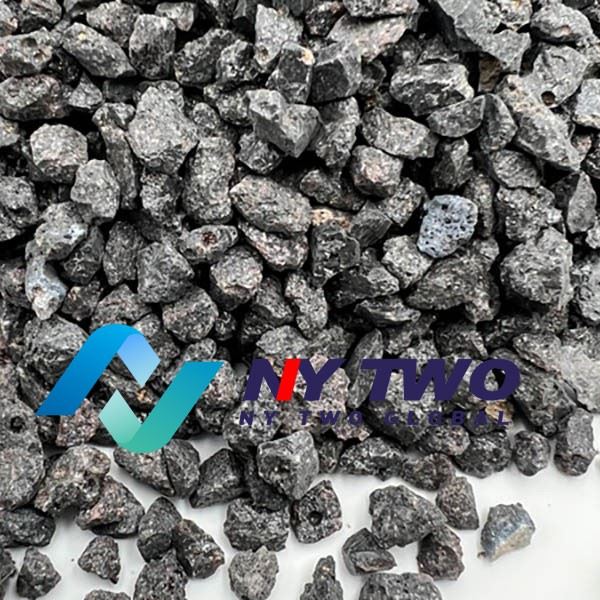
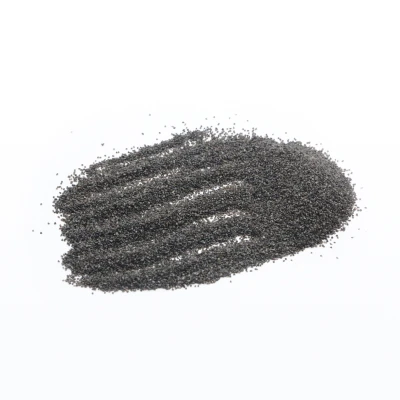
3. White Corundum_white Corundum Powder
White corundum is a high - purity form of alumina (Al₂O₃). It has excellent refractoriness, hardness, and chemical stability. White corundum powder can be used as a raw material for making refractory castables, ramming masses, and other monolithic refractories.
In medium - temperature kilns, refractory products made from white corundum are used in applications where high - performance materials are required. For example, in some precision ceramic firing kilns, white corundum - based refractories can ensure a clean and stable firing environment, which is crucial for the quality of the ceramic products.
4. Brown Fused Alumina
Brown fused alumina is another important refractory material. It is produced by fusing bauxite, anthracite, and iron filings in an electric arc furnace. Brown fused alumina has good thermal shock resistance, hardness, and abrasion resistance.
In medium - temperature kilns, brown fused alumina can be used in the form of bricks, castables, or abrasion - resistant linings. It is suitable for applications where there is a need to resist mechanical wear, such as in the conveyor parts of some kilns or in areas where the flow of hot materials may cause abrasion.
5. Insulating Firebricks
Insulating firebricks are designed to provide excellent thermal insulation. They have a low bulk density and high porosity, which helps in reducing heat transfer through the kiln walls. Insulating firebricks are made from various materials, including fireclay, high - alumina, and silica.
In medium - temperature kilns, insulating firebricks are often used as the outer layer of the kiln lining. They help in reducing energy consumption by minimizing heat loss from the kiln. This not only saves energy costs but also improves the overall efficiency of the kiln.
Factors Affecting the Choice of Refractory Materials
When selecting refractory materials for medium - temperature kilns, several factors need to be considered:
1. Temperature
The maximum and minimum operating temperatures of the kiln are the primary factors. Different refractory materials have different temperature limits, and it is essential to choose materials that can withstand the temperature range of the kiln without significant degradation.
2. Chemical Environment
The chemical composition of the gases, liquids, and solids in the kiln can have a significant impact on the refractory materials. Some materials are more resistant to acidic environments, while others are better suited for alkaline conditions. For example, in a kiln where sulfur - containing gases are present, refractory materials with good resistance to sulfur attack should be selected.
3. Mechanical Stress
The mechanical stress on the refractory lining, such as abrasion, impact, and vibration, also needs to be considered. In areas where there is high mechanical stress, materials with high strength and abrasion resistance, like high - alumina bricks or brown fused alumina - based products, should be used.
4. Thermal Shock Resistance
Thermal shock occurs when there are rapid changes in temperature. Refractory materials with good thermal shock resistance can withstand these temperature changes without cracking or spalling. This is particularly important in kilns where the heating and cooling cycles are frequent.
Applications of Refractory Materials in Medium - Temperature Kilns
1. Ceramics Industry
In the ceramics industry, medium - temperature kilns are used for firing various ceramic products, such as tiles, tableware, and sanitary ware. Fireclay bricks and high - alumina bricks are commonly used for the kiln lining. White corundum - based refractories are also used in some high - end ceramic firing processes to ensure high - quality products.
2. Heat Treatment Industry
Heat treatment kilns are used to modify the physical and mechanical properties of metals. High - alumina bricks and insulating firebricks are often used in these kilns. High - alumina bricks provide the necessary strength and refractoriness, while insulating firebricks help in reducing energy consumption.
3. Scope Of Use Of Brown Corundum
As mentioned earlier, brown corundum has a wide range of applications in medium - temperature kilns. In addition to the areas mentioned above, it can also be used in the lining of some small - scale metallurgical kilns where there is a need for abrasion - resistant materials.
Conclusion
Choosing the right refractory materials for medium - temperature kilns is a complex but crucial task. As a refractory supplier, I understand the importance of providing high - quality materials that meet the specific requirements of each kiln application. Whether you are in the ceramics, heat treatment, or other industries, I can offer you a wide range of refractory products, including fireclay bricks, high - alumina bricks, white corundum products, brown fused alumina products, and insulating firebricks.
If you are looking for reliable refractory materials for your medium - temperature kiln, I invite you to contact me for a detailed discussion. We can work together to select the most suitable materials based on your kiln's operating conditions, chemical environment, and budget. I am committed to providing you with the best solutions and excellent customer service.
References
- "Refractories Handbook" by Peter J. F. Harris
- "Industrial Furnaces: Principles, Design, and Operation" by John C. Chen