

What are the refractory materials used in the ceramic industry?
What are the refractory materials used in the ceramic industry?
The ceramic industry is a fascinating realm that combines artistry with advanced science. At the heart of this industry lies the crucial role of refractory materials. As a dedicated refractory supplier, I've witnessed firsthand how these materials shape the production processes and the quality of the final ceramic products. In this blog, I'll delve into some of the key refractory materials used in the ceramic industry, sharing insights based on my experience in the field.
1. Alumina-based Refractory Materials
Alumina (Al₂O₃) is one of the most widely used refractory materials in the ceramic industry. Its high melting point, excellent chemical stability, and good mechanical strength make it an ideal choice for various applications.
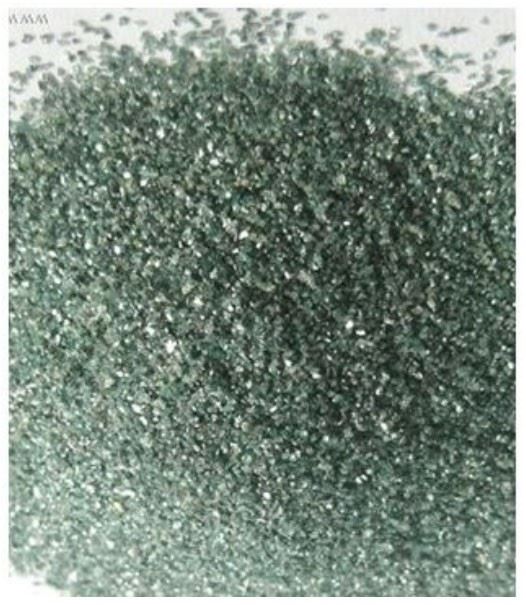
Brown Aluminum Oxide
Brown Aluminum Oxide is a commonly used form of alumina in the ceramic industry. It is produced by electro - smelting bauxite in an electric arc furnace. This refractory material has unique abrasion - resistant properties, which are particularly useful in ceramic grinding wheels. In ceramic manufacturing, the grinding process is essential for shaping and finishing the products. Brown Aluminum Oxide grinding wheels can efficiently remove excess material, giving the ceramics a smooth and precise surface. The high hardness and toughness of Brown Aluminum Oxide ensure that the grinding wheels have a long service life, reducing the overall production cost.
Tabular Corundum
Tabular Corundum is another important alumina - based refractory material. It is made by calcining high - purity alumina powder at extremely high temperatures. The resulting tabular corundum has a well - developed crystal structure, which provides it with high refractoriness, thermal shock resistance, and mechanical strength. In the ceramic industry, tabular corundum is often used in kiln furniture, such as skid rails, setter plates, and kiln shelves. These kiln furniture items need to withstand high temperatures during the firing process without deforming or reacting with the ceramic products. Tabular corundum's excellent properties make it suitable for this purpose, ensuring the stable and uniform firing of ceramics.
2. Silica-based Refractory Materials
Silica (SiO₂) is also a significant refractory material in the ceramic sector. It has a relatively high melting point and good thermal insulation properties.
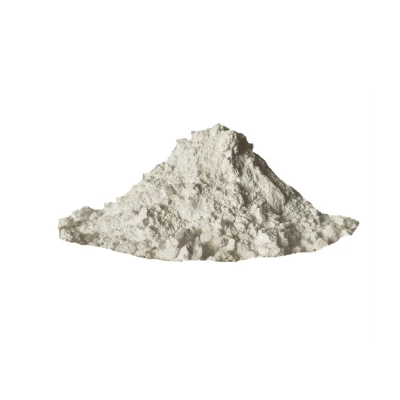
Silicon Oxide Grinding Powder
Silicon Oxide Grinding Powder plays an important role in the ceramic manufacturing process. This powder is used in the preparation of ceramic glazes. Glazes are thin coatings applied to the surface of ceramics to enhance their appearance, improve their durability, and provide a protective layer. Silicon Oxide Grinding Powder can adjust the viscosity and fluidity of the glaze, ensuring that it can be evenly applied to the ceramic surface. Moreover, it can also affect the optical properties of the glaze, such as gloss and transparency. In addition, silicon oxide is used in the production of some types of ceramic bodies, where it can improve the mechanical strength and thermal stability of the ceramics.
3. Zirconia-based Refractory Materials
Zirconia (ZrO₂) is a high - performance refractory material with exceptional properties.
Zirconia has a very high melting point, excellent thermal insulation, and low thermal conductivity. In the ceramic industry, zirconia is often used in the production of high - end ceramic products, such as dental ceramics and electronic ceramics. In dental applications, zirconia ceramics can mimic the appearance and properties of natural teeth. They are strong, biocompatible, and aesthetically pleasing. In the field of electronic ceramics, zirconia's high dielectric constant and good electrical insulating properties make it suitable for use in capacitors, sensors, and other electronic components. Its ability to withstand high temperatures also ensures the reliable performance of these electronic devices in harsh environments.
4. Magnesia-based Refractory Materials
Magnesia (MgO) is a basic refractory material with high refractoriness and good chemical stability especially against basic slags.
In the ceramic industry, magnesia - based refractory materials are used in some specific high - temperature processes. For example, in the production of certain advanced ceramics that require very high - purity and stable firing conditions, magnesia - based refractory linings can be used in the kilns. These linings can resist the corrosion of slag and other impurities, providing a clean and stable environment for the ceramic firing. Magnesia - chrome refractories were also widely used in the past, but due to environmental concerns related to the hexavalent chromium, alternative magnesia - based materials are being developed and used more frequently.
The Importance of Choosing the Right Refractory Materials
Selecting the appropriate refractory materials is of utmost importance in the ceramic industry. The wrong choice of refractory can lead to a series of problems. For instance, if the refractory material has poor thermal shock resistance, it may crack during the rapid heating and cooling cycles in the kiln, which can damage the ceramic products and reduce the efficiency of the production process. On the other hand, if the refractory is not chemically stable, it may react with the ceramic materials during firing, affecting the quality and properties of the final products.
As a refractory supplier, I understand the significance of providing high - quality refractory materials that meet the specific needs of the ceramic industry. We work closely with our customers to understand their production processes, the types of ceramics they manufacture, and the operating conditions of their kilns. Based on this information, we can recommend the most suitable refractory materials, ensuring the smooth operation of their production lines and the high quality of their ceramic products.
Conclusion
In conclusion, the ceramic industry relies heavily on a variety of refractory materials, each with its own unique properties and applications. Alumina - based materials like Brown Aluminum Oxide and Tabular Corundum, silica - based materials such as Silicon Oxide Grinding Powder, zirconia - based and magnesia - based materials all play crucial roles in different stages of ceramic production.
If you are in the ceramic industry and looking for reliable refractory materials, I invite you to contact us. We are committed to providing you with the best - quality refractory products and professional technical support. Whether you need to improve the efficiency of your kiln, enhance the quality of your ceramic products, or solve specific refractory - related problems, we are here to help. Let's work together to achieve greater success in the ceramic industry.
References
- "Refractories Handbook", ASM International
- "Ceramic Processing and Sintering", 2nd Edition, by Randall M. German
- "High - Temperature Materials and Technologies", edited by Ralf Riedel