

What is the impact of the calcination time on the quality of bauxite in a rotary kiln?
Hey there! I'm a supplier of Rotary Kiln Bauxite, and today I wanna chat about something super important in our line of work: the impact of calcination time on the quality of bauxite in a rotary kiln.
First off, let's get a basic understanding of what bauxite is and why we calcine it. Bauxite is a sedimentary rock that's the main source of aluminum. When we talk about calcining bauxite in a rotary kiln, we're essentially heating it up to high temperatures to transform its physical and chemical properties. This process is crucial for making it suitable for various industrial applications, like in the production of refractory materials.
So, why does the calcination time matter so much? Well, it's all about getting the right balance. If the calcination time is too short, the bauxite won't undergo the complete transformation we need. The minerals in the bauxite might not fully break down, and we'll end up with a product that still has some of its original impurities and a structure that's not as stable as we'd like. For example, there could be unreacted water and volatile substances left in the bauxite. This can lead to issues when the bauxite is used in applications like making refractory bricks. The remaining water can cause cracking and spalling when the bricks are heated during use, reducing their lifespan and performance.
On the other hand, if the calcination time is too long, we run into different problems. Over - calcination can cause excessive grain growth in the bauxite. The crystals in the bauxite will keep growing larger and larger, which can make the material more brittle. Brittle bauxite is less resistant to mechanical stress and thermal shock, which are important factors in refractory applications. Plus, longer calcination times mean higher energy consumption, which drives up the production cost. And in a competitive market, we can't afford to have unnecessarily high costs.
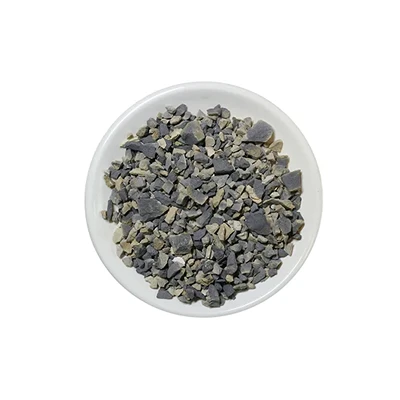
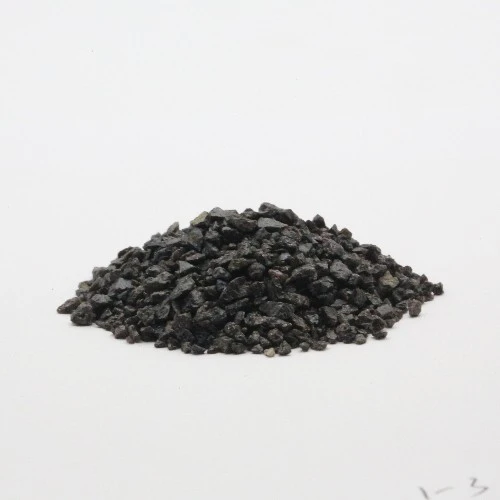
Let's dig a bit deeper into how calcination time affects the key quality parameters of bauxite. One of the most important parameters is the alumina content. During calcination, the chemical composition of bauxite changes. With the right calcination time, we can maximize the conversion of other minerals in the bauxite into alumina. A higher alumina content generally means better quality bauxite, as alumina is a key component in many industrial processes, especially in the production of refractory materials. For instance, Calcined Bauxite Price is often closely related to its alumina content. Bauxite with a higher alumina content usually commands a higher price in the market.
Another parameter is the bulk density. Calcination causes the bauxite to lose some of its mass due to the evaporation of water and the decomposition of volatile substances. The right calcination time will result in an optimal bulk density. A bauxite with a proper bulk density is easier to handle during transportation and storage, and it also performs better in applications. If the bulk density is too low, it might indicate that the bauxite hasn't been calcined enough, and it could have a lot of porosity. High - porosity bauxite is less dense and less strong, which is not ideal for making high - quality refractory products.
The hardness of the calcined bauxite is also affected by the calcination time. A well - calcined bauxite should have a certain level of hardness. If the calcination time is just right, the bauxite will have a compact structure that gives it good hardness. This hardness is important because it allows the bauxite to withstand the wear and tear in industrial processes. For example, in the production of Refractory Brick Material Brown Fused Alumina Grains Aluminium Oxide, a hard bauxite can contribute to the durability of the final bricks.
Now, how do we determine the optimal calcination time? It's not a one - size - fits - all answer. There are several factors that come into play. The initial composition of the bauxite is a big one. Different sources of bauxite have different mineral compositions, and this will affect how quickly they react during calcination. The temperature inside the rotary kiln also matters. Higher temperatures can speed up the calcination process, so the required time might be shorter. But we also have to be careful not to over - heat the bauxite at high temperatures. The size of the bauxite particles is another factor. Smaller particles generally have a larger surface area, which means they can react more quickly with the heat, so they might need a shorter calcination time compared to larger particles.
As a Rotary Kiln Bauxite supplier, I've seen firsthand how the calcination time can make or break the quality of our product. We've done a lot of experiments and tests to find the sweet spot for different batches of bauxite. We use advanced monitoring systems in our rotary kilns to keep track of the temperature and time accurately. And we also analyze the properties of the calcined bauxite regularly to make sure we're getting the best quality possible.
In the market, there's a growing demand for high - quality bauxite, especially for Synthetic Calcined Bauxite. Customers are looking for bauxite that has consistent quality, high alumina content, and good physical properties. By carefully controlling the calcination time, we can meet these demands and provide our customers with a product that performs well in their applications.
If you're in the market for high - quality Rotary Kiln Bauxite, I'd love to have a chat with you. Whether you're in the refractory industry or any other field that uses bauxite, we can work together to find the right product for your needs. Just reach out, and we can start a discussion about your requirements and how we can meet them.
In conclusion, the calcination time is a critical factor in determining the quality of bauxite in a rotary kiln. It affects various important parameters like alumina content, bulk density, and hardness. By carefully controlling this time, we can produce high - quality bauxite that meets the needs of different industries. And as a supplier, I'm committed to providing the best possible product through continuous improvement and quality control.
References
- Smith, J. (2018). "The Role of Calcination in Bauxite Processing". Journal of Industrial Minerals.
- Brown, A. (2020). "Optimizing Calcination Time for High - Quality Bauxite". International Journal of Refractory Materials.