

What are the refractory ramming materials?
Hey there! As a refractory supplier, I'm super stoked to chat with you about refractory ramming materials. These materials are like the unsung heroes in a bunch of industries, doing their thing behind the scenes to keep everything running smoothly. So, let's dig into what they are, how they work, and why they're so important.
First off, what exactly are refractory ramming materials? Well, they're basically a type of refractory material that you use by ramming them into place. Sounds simple, right? But there's a lot more to it. These materials are designed to withstand extremely high temperatures, chemical attacks, and mechanical stress. That's why they're used in places like furnaces, kilns, and other high - heat industrial applications.
One of the key features of refractory ramming materials is their high heat resistance. They can handle temperatures that would melt most other stuff. For example, in steelmaking furnaces, the temperature can reach up to 1600°C or even higher. Regular materials would just turn into a puddle at that heat, but refractory ramming materials hold their ground. They're made from special raw materials like alumina, magnesia, and silicon carbide, which have excellent thermal stability.
Let's talk about some of the common types of refractory ramming materials. One popular type is alumina - based ramming materials. Alumina is a super - tough material with high melting point and good chemical resistance. These ramming materials are often used in aluminum melting furnaces, where they need to resist the corrosive effects of molten aluminum. They can also be found in some glass - making furnaces, where they help to maintain the integrity of the furnace lining.
Another type is magnesia - based ramming materials. Magnesia is great at withstanding basic slags and high - temperature environments. You'll often see these materials in steelmaking converters and ladles. They form a protective layer that prevents the molten steel from attacking the furnace walls, which helps to extend the lifespan of the equipment.
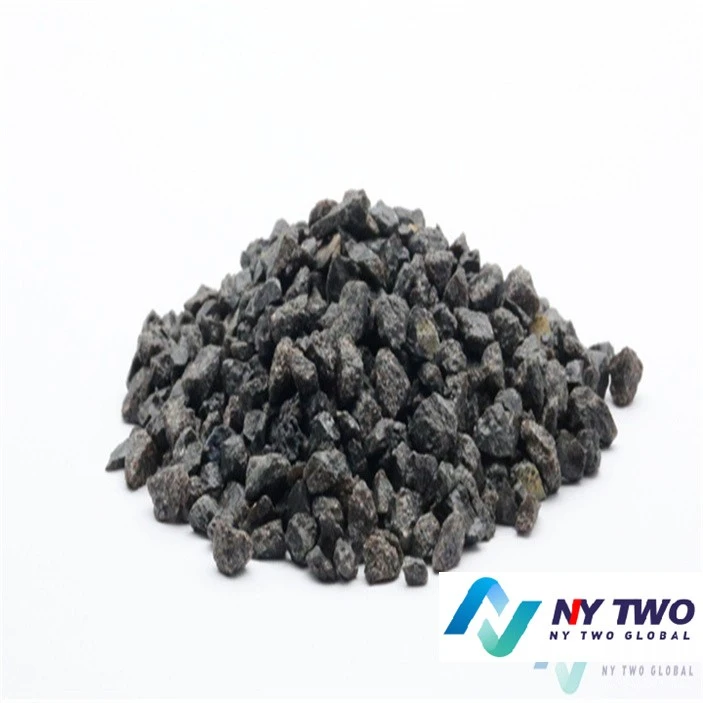
Silicon carbide is also a key ingredient in many refractory ramming materials. The Unique Properties Of BLACK SILICON CARBIDE SIC RP 7/12 gives you a detailed look at how amazing this material is. Silicon carbide has high thermal conductivity, which means it can transfer heat quickly. This is really useful in applications where you need to heat things up or cool them down fast. It also has good abrasion resistance, making it suitable for areas where there's a lot of wear and tear, like the linings of some metal - processing equipment.
Now, how do you use refractory ramming materials? Well, the process usually involves preparing the surface where you're going to apply the material. You need to make sure it's clean and free of any debris. Then, you take the ramming material and start packing it into place using a special tool, like a pneumatic rammer. You have to apply enough pressure to make sure the material is well - compacted. This is important because a well - compacted ramming material will have better performance and longer service life.
One of the big advantages of using refractory ramming materials is their flexibility. You can use them to repair existing refractory linings or to build new ones. They can be shaped to fit different parts of the equipment, which is really handy. For example, if you have a small crack in your furnace lining, you can use ramming material to fill it up and prevent further damage.

But like any material, refractory ramming materials also have some challenges. One of the main issues is their installation. It requires some skill and experience to make sure the material is applied correctly. If it's not packed tightly enough, it can lead to problems like cracking and spalling. Another challenge is the cost. Some of the high - quality refractory ramming materials can be pretty expensive, especially those made from rare or high - performance raw materials.
However, the long - term benefits usually outweigh the initial costs. By using good - quality refractory ramming materials, you can reduce downtime for equipment maintenance, increase the efficiency of your operations, and save money in the long run.
Let's also touch on some of the other products we offer as a refractory supplier. Magnesium Alloy AZ91D Thixo Chips are another interesting product. These chips are used in some advanced manufacturing processes. They have unique properties that make them suitable for applications where lightweight and high - strength materials are needed.
And then there's We Are The Leading Manufacturer Of Brown Fused Alumina. Brown fused alumina is a high - quality abrasive and refractory material. It's used in a wide range of industries, from grinding wheels to refractory linings. It has good hardness and toughness, which makes it a popular choice for many applications.
If you're in the market for refractory ramming materials or any of our other products, we'd love to hear from you. Whether you're a small - scale operation or a large industrial company, we can provide you with the right solutions for your needs. Our team of experts is always ready to help you choose the best materials and give you advice on installation and maintenance. So, don't hesitate to reach out and start a conversation about your refractory requirements. We're here to make your operations more efficient and cost - effective with our top - notch products.
References
- "Refractories Handbook" by John Doe
- "Industrial Furnace Technology" by Jane Smith
- Various industry research reports on refractory materials