

What are the safety precautions when using White Fused?
Hey there! As a supplier of White Fused, I've seen firsthand how amazing this material can be. But like any industrial product, it comes with its own set of safety precautions. In this blog, I'll share some important safety tips when using White Fused, so you can handle it safely and effectively.
1. Personal Protective Equipment (PPE)
First things first, PPE is a must when working with White Fused. You don't want to take any chances with your safety.
Eye Protection
Your eyes are super vulnerable when handling White Fused. Tiny particles can easily fly into your eyes, causing serious damage. So, always wear safety goggles. They should fit well and provide full protection from all angles. Whether you're pouring, grinding, or just moving the material around, those goggles should be on your face. You can find some really good ones at your local hardware store.
Respiratory Protection
White Fused dust can be harmful if inhaled. It can cause respiratory problems over time, like coughing, wheezing, and even more serious lung diseases. To avoid this, wear a respirator. There are different types available, but make sure it's rated for the type of dust you'll be exposed to. A N95 respirator is a good basic option, but for more intense work, you might need a more heavy - duty one.
Hand Protection
Your hands are in constant contact with the material, so gloves are essential. Choose gloves that are made of a material that can resist abrasion and chemical exposure. Leather or synthetic gloves designed for industrial work are great choices. They'll protect your hands from cuts, scrapes, and any potential chemical reactions.
Clothing
Wear long - sleeved shirts and long pants to cover your skin. This will prevent the White Fused particles from getting on your skin and causing irritation. Also, make sure your clothing is made of a durable material that can resist abrasion.
2. Handling and Storage
How you handle and store White Fused is just as important as wearing the right PPE.
Handling
When moving White Fused, use proper lifting techniques. Don't try to lift heavy bags by yourself if they're too big. Get a buddy to help you or use a forklift or other lifting equipment. Also, be careful when pouring the material. Make sure you're pouring it into a stable container and that you're not creating a dust cloud.
When using tools with White Fused, like grinders or sanders, follow the manufacturer's instructions carefully. Keep the tools in good working condition and make sure they're properly maintained. Check for any loose parts or signs of wear before using them.
Storage
Store White Fused in a dry, cool place. Moisture can cause the material to clump together, which can make it harder to use and can also affect its quality. Keep it in sealed containers to prevent dust from escaping. Label the containers clearly so everyone knows what's inside.
Don't store White Fused near any sources of heat or flame. It's not flammable, but extreme heat can change its properties. Also, keep it away from any chemicals that might react with it.
3. Workspace Safety
Your workspace needs to be a safe environment when using White Fused.
Ventilation
Good ventilation is crucial. You want to make sure that any dust generated during the process is quickly removed from the air. Use exhaust fans or ventilation systems to keep the air fresh. If you're working in a small, enclosed space, it's even more important to have proper ventilation.
Cleanliness
Keep your workspace clean. Sweep up any spills or dust regularly. A clean workspace reduces the risk of slipping and falling, and it also helps to prevent the spread of dust. Use a wet mop or a vacuum cleaner with a HEPA filter to clean up the dust.
Signage
Put up safety signs in your workspace. Signs can remind people of the safety precautions they need to take. For example, put up signs that say "Wear Safety Goggles" or "No Smoking". Make sure the signs are visible and easy to read.
4. First Aid
Even with all the safety precautions, accidents can still happen. So, it's important to know what to do in case of an emergency.
Eye Exposure
If White Fused gets in your eyes, immediately flush your eyes with clean water for at least 15 minutes. Keep your eyes open while flushing. Then, seek medical attention right away.
Skin Exposure
If the material gets on your skin, wash the affected area with soap and water. If you notice any irritation or redness, apply a soothing cream and see a doctor if the symptoms don't go away.
Inhalation
If someone inhales a large amount of White Fused dust and starts to have trouble breathing, move them to an area with fresh air immediately. Loosen any tight clothing and seek medical help.
5. Product - Specific Considerations
White Fused is a great abrasive, but it has some unique properties that you need to be aware of.
Chemical Composition
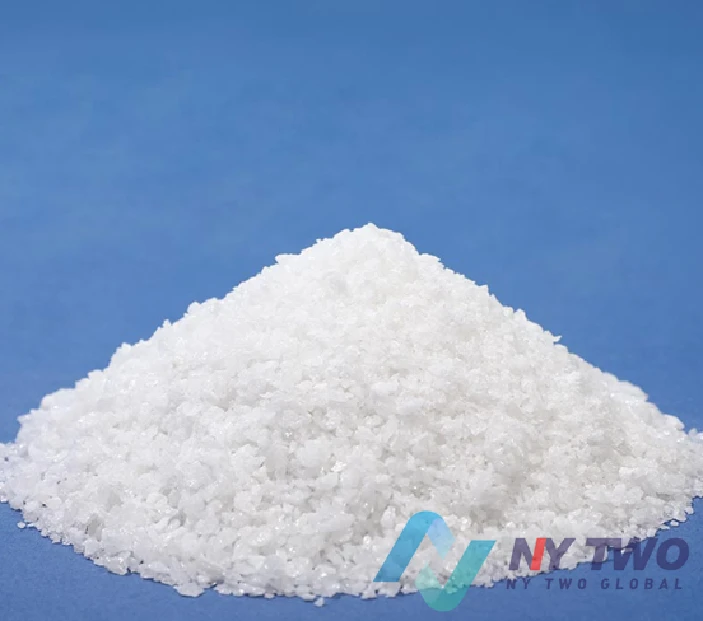
White Fused is mainly made of aluminum oxide. It's generally a stable material, but it can react with some chemicals. So, don't mix it with other substances unless you're sure it's safe to do so.
Abrasive Nature
Because it's an abrasive, it can wear down tools and surfaces over time. Make sure you're using the right tools for the job and that you're not over - using the White Fused. For example, if you're using it for sanding, don't press too hard or sand for too long in one spot.
Why Choose Our White Fused?
Our White Fused is of the highest quality. We source the best raw materials and use advanced manufacturing processes to ensure that our product meets the highest standards. Whether you need Oem Abrasive White Corundum Powder, Brown Aluminium Oxide 01, or Abrasive White Corundum Powder, we've got you covered.
If you're in the market for White Fused products, we'd love to talk to you. We can provide you with samples, answer any questions you have about safety or product use, and help you find the right solution for your needs. Just reach out to us, and let's start a conversation about how we can work together.
References
- Industrial Safety Handbook, 3rd Edition
- Safety Guidelines for Abrasive Materials, National Abrasive Association