

What are the standards and certifications for Brown Fused?
In the realm of abrasives, brown fused alumina stands out as a versatile and widely used material. As a seasoned brown fused alumina supplier, I've witnessed firsthand the significance of standards and certifications in ensuring the quality and reliability of this product. In this blog post, I'll delve into the key standards and certifications for brown fused alumina, their importance, and how they impact our customers.
Understanding Brown Fused Alumina
Brown fused alumina is a synthetic abrasive material produced by fusing bauxite, anthracite, and iron filings in an electric arc furnace at high temperatures. The resulting product is a tough, sharp, and durable abrasive with excellent cutting and grinding properties. It is commonly used in a variety of applications, including grinding, polishing, sandblasting, and refractory materials.
Importance of Standards and Certifications
Standards and certifications play a crucial role in the brown fused alumina industry. They provide a framework for ensuring the quality, safety, and performance of the product. By adhering to these standards, suppliers can demonstrate their commitment to excellence and provide customers with confidence in the products they purchase.
Key Standards for Brown Fused Alumina
Chemical Composition
The chemical composition of brown fused alumina is a critical factor that determines its performance. The main components of brown fused alumina are aluminum oxide (Al₂O₃), silicon dioxide (SiO₂), titanium dioxide (TiO₂), and iron oxide (Fe₂O₃). The percentage of these components can vary depending on the raw materials used and the manufacturing process.
Most international standards specify the minimum and maximum limits for the chemical composition of brown fused alumina. For example, the ISO 6344 standard requires that brown fused alumina contain at least 94% Al₂O₃, with specific limits for other components such as SiO₂, TiO₂, and Fe₂O₃. These limits ensure that the product has consistent quality and performance.
Grain Size and Distribution
The grain size and distribution of brown fused alumina are also important factors that affect its performance. The grain size determines the cutting and grinding ability of the abrasive, while the distribution affects the surface finish and efficiency of the process.
International standards such as ISO 6344 and ANSI B74.12 specify the grain size and distribution requirements for brown fused alumina. These standards define the different grain sizes and provide guidelines for measuring and controlling the grain size distribution. By adhering to these standards, suppliers can ensure that their products meet the specific requirements of their customers.
Physical Properties
In addition to chemical composition and grain size, the physical properties of brown fused alumina also play a role in its performance. These properties include hardness, density, and friability.
Hardness is a measure of the ability of the abrasive to resist wear and deformation. Brown fused alumina is known for its high hardness, which makes it suitable for a variety of grinding and cutting applications. Density is another important property that affects the performance of the abrasive. A higher density generally indicates a more durable and efficient abrasive. Friability refers to the tendency of the abrasive grains to break down during use. A lower friability is desirable as it ensures that the abrasive grains maintain their shape and cutting ability for a longer period of time.
International standards specify the minimum and maximum limits for these physical properties to ensure that the product has consistent quality and performance.
Certifications for Brown Fused Alumina
ISO Certification
The International Organization for Standardization (ISO) is a global organization that develops and publishes standards for a wide range of products and services. ISO certification is widely recognized as a mark of quality and reliability in the international market.
For brown fused alumina suppliers, obtaining ISO certification demonstrates their commitment to quality management and continuous improvement. ISO 9001 is the most common certification for quality management systems, while ISO 14001 is for environmental management systems. By obtaining these certifications, suppliers can ensure that their products are manufactured in accordance with international standards and that they meet the needs and expectations of their customers.
CE Certification
The CE mark is a mandatory certification for products sold in the European Union (EU). It indicates that the product complies with the relevant EU directives and standards.
For brown fused alumina, the CE mark is required for products that are used in certain applications, such as abrasive tools and refractory materials. By obtaining CE certification, suppliers can ensure that their products are safe and compliant with the EU regulations.
Other Certifications
In addition to ISO and CE certifications, there are other certifications that may be relevant for brown fused alumina suppliers. These include certifications for specific industries or applications, such as the automotive industry or the aerospace industry.
For example, suppliers may obtain certifications such as the Automotive Industry Action Group (AIAG) Quality Management System (QMS) certification or the National Aerospace and Defense Contractors Accreditation Program (NADCAP) certification. These certifications demonstrate the supplier's ability to meet the specific requirements and standards of these industries.
Impact on Customers
The standards and certifications for brown fused alumina have a significant impact on customers. By purchasing products that meet these standards and certifications, customers can ensure that they are getting high-quality, reliable, and safe products.
Quality Assurance
Standards and certifications provide a framework for quality assurance. They ensure that the brown fused alumina products are manufactured in accordance with strict guidelines and that they meet the specific requirements of the customers. This helps to minimize the risk of product failure and ensures consistent performance.
Safety
Certifications such as CE mark ensure that the brown fused alumina products are safe for use. They indicate that the products have been tested and comply with the relevant safety regulations. This is particularly important for applications where safety is a concern, such as abrasive tools and refractory materials.
Compatibility
Standards and certifications also help to ensure the compatibility of brown fused alumina products with other materials and processes. For example, the chemical composition and physical properties of the product are specified in the standards, which helps to ensure that it can be used effectively with other materials and in different applications.
Our Commitment as a Supplier
As a brown fused alumina supplier, we are committed to meeting the highest standards and certifications. We have implemented a comprehensive quality management system that ensures the consistent quality of our products. Our products are manufactured in accordance with international standards such as ISO 6344 and ANSI B74.12, and we have obtained ISO 9001 and CE certifications.
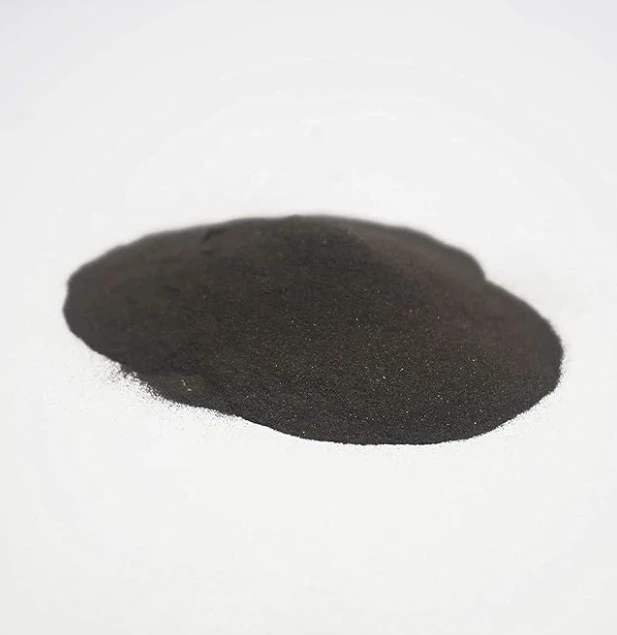
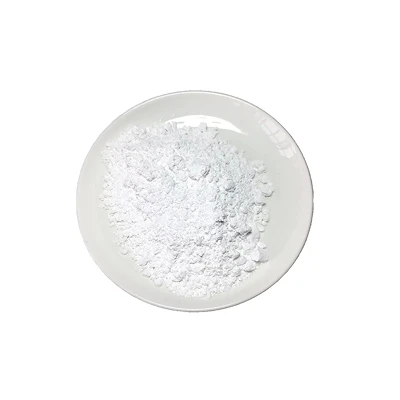
We also offer a wide range of brown fused alumina products, including Grinding Powder and Brown Fused Alumina Polishing Powder. Our products are available in different grain sizes and grades to meet the specific requirements of our customers. In addition, we use Aluminium Hydroxide H - WF as one of our raw materials, which helps to ensure the high quality of our products.
Contact Us for Procurement
If you are interested in purchasing brown fused alumina products, we would be delighted to discuss your requirements. Our team of experts can provide you with detailed information about our products, including their specifications, applications, and pricing. We are committed to providing our customers with the best possible service and support, and we look forward to working with you.
References
- ISO 6344: Coated abrasives - Grain size analysis - Part 1: Grain size distribution testing of macrogrits F4 to F220
- ANSI B74.12: Specification for Aluminum Oxide and Silicon Carbide Abrasive Grains
- ISO 9001: Quality management systems - Requirements
- ISO 14001: Environmental management systems - Requirements with guidance for use