

What are the technical parameters that need to be considered when purchasing White Tabular Alumina?
When it comes to purchasing White Tabular Alumina, there are several technical parameters you gotta take into account. As a supplier of White Tabular Alumina, I've dealt with a bunch of customers, and I know how important it is to understand these parameters. So, let's dive right in and talk about what you need to look at.
Chemical Composition
The chemical composition of White Tabular Alumina is a key factor. The main component is, of course, aluminum oxide (Al₂O₃). You want to make sure the Al₂O₃ content is high. Usually, a high - quality White Tabular Alumina has an Al₂O₃ content of over 99%. A higher Al₂O₃ content means better refractoriness, chemical stability, and mechanical properties.
Other impurities like silica (SiO₂), iron oxide (Fe₂O₃), and titanium dioxide (TiO₂) should be kept at a minimum. Silica can reduce the refractoriness of the alumina at high temperatures. Iron oxide can cause discoloration and may also affect the chemical reactivity of the material. Titanium dioxide, if present in large amounts, can change the crystal structure and properties of the alumina.
Physical Properties
Bulk Density
Bulk density is an important physical parameter. It refers to the mass of the material per unit volume in its loose state. A higher bulk density generally indicates a more compact and less porous structure. This is beneficial because it means the material has better resistance to penetration by molten metals and slag. For White Tabular Alumina, a suitable bulk density can range from 2.8 - 3.2 g/cm³, depending on the specific application.
True Density
True density is the density of the actual solid material, excluding any pores or voids. It gives an idea of the purity and crystal structure of the alumina. For White Tabular Alumina, the true density is typically around 3.95 - 4.0 g/cm³. A deviation from this range may indicate the presence of impurities or an abnormal crystal structure.
Particle Size Distribution
The particle size distribution of White Tabular Alumina is crucial. Different applications require different particle sizes. For example, in refractory applications, a well - graded particle size distribution can improve the packing density of the material, leading to better mechanical strength and thermal shock resistance. You can get White Tabular Alumina in various particle sizes, from coarse to fine. Coarse particles are often used for making refractory bricks, while fine particles are used in castables and coatings. You can find more about the particle size requirements in different applications on the Tabular Corundum page.
Thermal Properties
Refractoriness
Refractoriness is one of the most important thermal properties. It's the ability of the material to withstand high temperatures without melting or deforming. White Tabular Alumina has excellent refractoriness, with a melting point of around 2050°C. This makes it suitable for use in high - temperature applications such as steelmaking, glass manufacturing, and ceramic firing.
Thermal Conductivity
Thermal conductivity is another key thermal parameter. It determines how well the material can conduct heat. In some applications, like furnace linings, you may want a material with low thermal conductivity to reduce heat loss. White Tabular Alumina has relatively low thermal conductivity, which helps in maintaining high temperatures inside the furnace while reducing energy consumption.
Thermal Expansion
Thermal expansion is the change in volume or length of a material when it's heated or cooled. A low and stable thermal expansion coefficient is desirable for White Tabular Alumina. This is because a large or inconsistent thermal expansion can cause cracking and spalling of the material during thermal cycling. For most applications, a thermal expansion coefficient in the range of 7 - 8 × 10⁻⁶/°C (at 20 - 1000°C) is considered good.
Mechanical Properties
Hardness
Hardness is an important mechanical property. White Tabular Alumina is very hard, with a Mohs hardness of around 9. This high hardness makes it resistant to abrasion and wear, which is beneficial in applications where the material is exposed to friction and mechanical stress, such as in grinding wheels and abrasive blasting media.
Compressive Strength
Compressive strength is the ability of the material to withstand compressive forces without breaking. In refractory applications, high compressive strength is essential, especially in areas where the material is subjected to heavy loads. White Tabular Alumina typically has a high compressive strength, which ensures its durability in high - stress environments.
Applications and Compatibility
When purchasing White Tabular Alumina, you also need to consider its compatibility with other materials in your application. For example, if you're using it in a refractory castable, you need to make sure it's compatible with the binders, additives, and other aggregates.
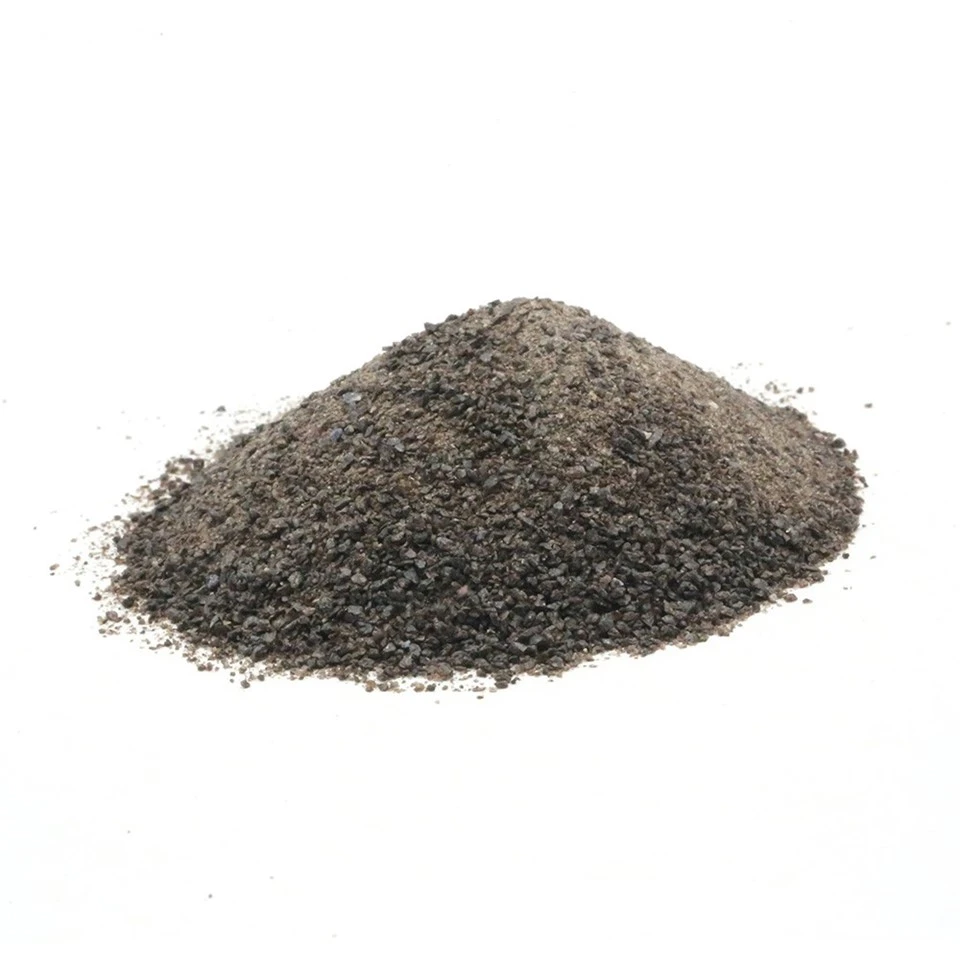
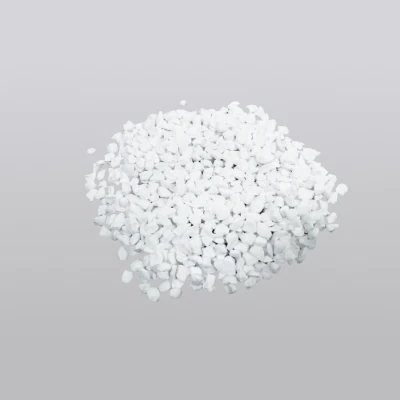
In some applications, you may combine White Tabular Alumina with Silicon Carbide Powder to enhance certain properties. Understanding how these materials interact is crucial for achieving the desired performance.
Another aspect is the end - use application. Different industries have different requirements. In the steel industry, for instance, the alumina needs to be able to withstand the harsh conditions of molten steel and slag. In the ceramic industry, it may need to have good sinterability and color stability. You can learn more about the applications of related refractory materials on the Uses Of Brown Fused Alumina Refractory Materials page.
Conclusion
In conclusion, when you're in the market to buy White Tabular Alumina, don't just focus on the price. Pay close attention to these technical parameters: chemical composition, physical properties, thermal properties, mechanical properties, and compatibility with other materials. By doing so, you can ensure that you're getting a high - quality product that meets your specific needs.
If you're interested in purchasing White Tabular Alumina and have any questions about these technical parameters or need advice on the right product for your application, feel free to reach out. We're here to help you make the best choice for your business.
References
- "Refractory Materials Handbook"
- Industry standards and research papers on alumina and refractory materials