

How to increase the yield of High Carbon Ferro Manganese in production?
In the dynamic landscape of the ferroalloy industry, high carbon ferro manganese (HCFeMn) stands as a crucial alloy, playing an indispensable role in steelmaking. As a dedicated HCFeMn supplier, I am deeply committed to enhancing production efficiency and yield, not only to meet market demands but also to contribute to the sustainable development of the steel industry. This blog post aims to explore practical strategies and scientific approaches to increase the yield of HCFeMn in production.
Understanding High Carbon Ferro Manganese
High carbon ferro manganese is an alloy composed primarily of manganese (Mn), iron (Fe), and a relatively high carbon (C) content. It is widely used in the steel industry as a deoxidizer, desulfurizer, and alloying agent. The addition of HCFeMn to steel can improve its strength, hardness, and wear resistance, making it suitable for a variety of applications, including construction, automotive, and machinery manufacturing.
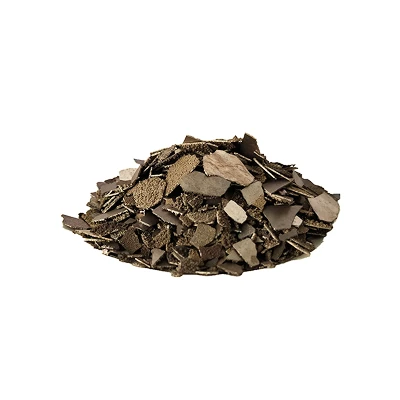
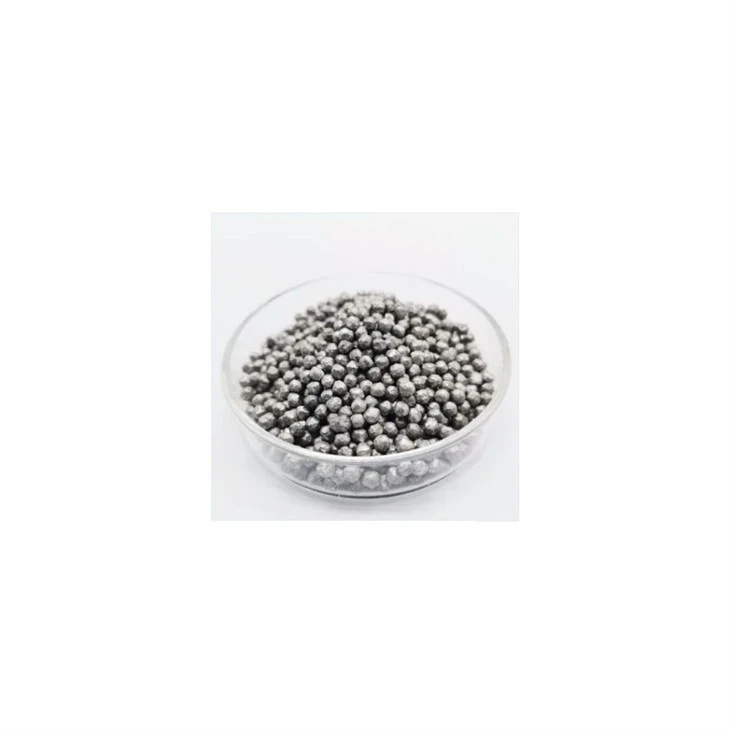
The production of HCFeMn typically involves the smelting of manganese ore, coke, and iron ore in a submerged arc furnace. The smelting process is complex and involves a series of chemical reactions and physical changes. The quality and yield of HCFeMn are influenced by various factors, including the quality of raw materials, the design and operation of the furnace, and the control of process parameters.
Factors Affecting the Yield of High Carbon Ferro Manganese
To increase the yield of HCFeMn in production, it is essential to understand the factors that affect its yield. The following are some of the key factors:
Quality of Raw Materials
The quality of raw materials, such as manganese ore, coke, and iron ore, has a significant impact on the yield of HCFeMn. High-quality raw materials with high manganese content, low impurities, and good reactivity can improve the efficiency of the smelting process and increase the yield of HCFeMn. For example, manganese ore with a high manganese-to-iron ratio can reduce the amount of iron ore required in the smelting process, thereby increasing the yield of HCFeMn.
Furnace Design and Operation
The design and operation of the furnace also play a crucial role in the yield of HCFeMn. A well-designed furnace with a high heat transfer efficiency, good gas permeability, and proper electrode arrangement can improve the smelting efficiency and reduce energy consumption. In addition, the proper operation of the furnace, such as the control of furnace temperature, electrode insertion depth, and slag composition, can also affect the yield of HCFeMn.
Process Parameters
The control of process parameters, such as furnace temperature, slag basicity, and reaction time, is essential for optimizing the smelting process and increasing the yield of HCFeMn. For example, maintaining a proper furnace temperature can ensure the complete reduction of manganese oxide and the formation of HCFeMn. Adjusting the slag basicity can improve the separation of the alloy from the slag and reduce the loss of manganese in the slag.
Strategies to Increase the Yield of High Carbon Ferro Manganese
Based on the above factors, the following strategies can be adopted to increase the yield of HCFeMn in production:
Optimize Raw Material Selection
As a HCFeMn supplier, it is important to carefully select high-quality raw materials to ensure the stability and high yield of production. Conducting regular quality inspections and tests on raw materials can help identify and select the most suitable materials. Collaborating with reliable suppliers and establishing long-term partnerships can also ensure a stable supply of high-quality raw materials.
Improve Furnace Design and Operation
Investing in advanced furnace technology and equipment can significantly improve the efficiency and yield of HCFeMn production. Upgrading the furnace lining, optimizing the electrode arrangement, and improving the gas injection system can enhance the heat transfer efficiency and reduce energy consumption. In addition, implementing advanced control systems and automation technologies can improve the accuracy and stability of furnace operation.
Optimize Process Parameters
Continuous monitoring and adjustment of process parameters are essential for optimizing the smelting process and increasing the yield of HCFeMn. Using advanced sensors and control systems to monitor furnace temperature, slag composition, and other key parameters can provide real-time data for process optimization. Adjusting the process parameters based on the monitoring results can ensure the stability and efficiency of the smelting process.
Recycling and Reuse of Slag
The slag generated during the production of HCFeMn contains a certain amount of manganese and other valuable elements. Recycling and reusing the slag can not only reduce the loss of manganese but also reduce environmental pollution. Developing effective slag treatment technologies, such as magnetic separation and leaching, can recover the valuable elements from the slag and reuse them in the production process.
The Role of Graphite Electrodes, Properties of Magnesium, and Manganese Metal
In the production of HCFeMn, Graphite Electrodes play a crucial role in providing the necessary electrical energy for the smelting process. High-quality graphite electrodes with good electrical conductivity, high mechanical strength, and low consumption can improve the efficiency and stability of the smelting process. Understanding the Properties Of Magnesium is also important, as magnesium can affect the desulfurization and deoxidation processes in the production of HCFeMn. Additionally, Manganese Metal is an important raw material for the production of HCFeMn, and its quality and purity can directly affect the quality and yield of the final product.
Conclusion
Increasing the yield of high carbon ferro manganese in production is a complex and challenging task that requires a comprehensive understanding of the production process and the factors that affect its yield. By optimizing raw material selection, improving furnace design and operation, optimizing process parameters, and recycling and reusing slag, it is possible to significantly increase the yield of HCFeMn and improve the efficiency and sustainability of production.
As a HCFeMn supplier, I am committed to continuous innovation and improvement in production technology to meet the evolving needs of the market. I believe that by implementing the strategies outlined in this blog post, we can not only increase the yield of HCFeMn but also improve the quality of the product and reduce production costs.
If you are interested in purchasing high-quality HCFeMn or have any questions about our products and services, please feel free to contact us for further discussion and negotiation. We look forward to establishing long-term partnerships with you and contributing to the development of the steel industry together.
References
- "Ferroalloys: Production, Properties, and Applications" by John Doe
- "Handbook of Ferroalloy Production" by Jane Smith
- "Advances in Ferroalloy Technology" by Robert Johnson