

What are the uses of White Fused Alumina in the glass industry?
White Fused Alumina (WFA) is a high - quality refractory material with a wide range of applications in various industries, and the glass industry is no exception. As a reliable White Fused Alumina supplier, I am well - versed in the multiple uses of this remarkable material in the glass - making process.
1. Glass Melting Furnaces: Refractory Lining
In glass manufacturing, the melting furnace is the heart of the operation. The extreme temperatures required to melt glass can reach up to 1500 - 1700°C, and the refractory lining of the furnace must withstand these harsh conditions. White Fused Alumina is an ideal choice for this application.
WFA has a high melting point, typically around 2050°C, which means it can maintain its structural integrity even at the high temperatures inside the glass melting furnace. Its low porosity also makes it resistant to the penetration of molten glass and other corrosive substances. For example, in a continuous glass melting furnace, the walls and the bottom lined with White Fused Alumina bricks can effectively prevent the leakage of molten glass and reduce the risk of furnace damage. This not only extends the service life of the furnace but also ensures a more stable and efficient glass - melting process.
Compared with Brown Fused Alumina(one), White Fused Alumina has a higher purity, with an alumina content usually above 99%. This high purity reduces the risk of impurities being introduced into the molten glass, which is crucial for producing high - quality glass products.
2. Glass Forming Tools
During the glass - forming process, various tools are used, such as molds, blowpipes, and shaping devices. These tools need to have good thermal shock resistance and wear resistance. White Fused Alumina can be used to coat or manufacture these tools.
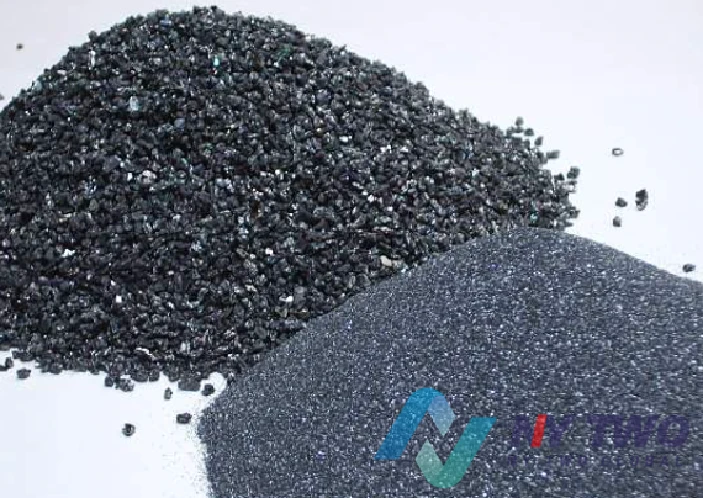
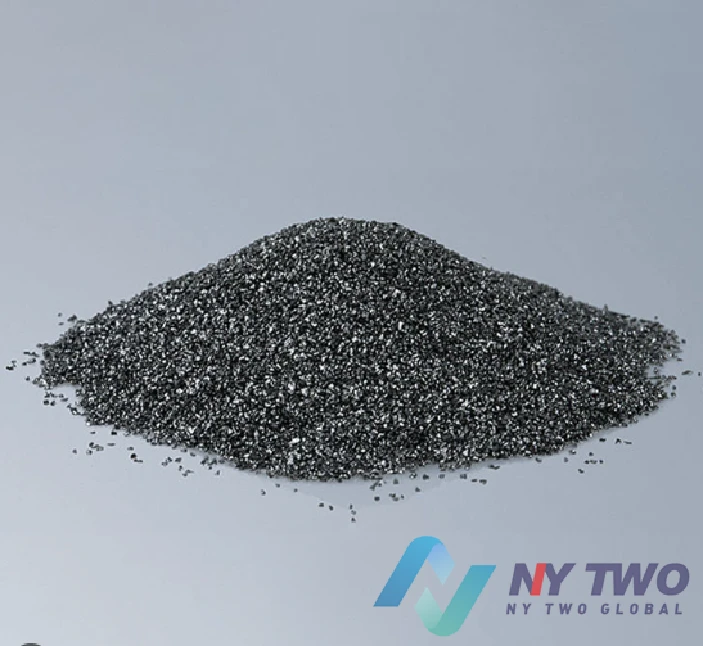
When used as a coating material, a thin layer of WFA can be applied to the surface of the glass - forming tools. This coating enhances the hardness and wear resistance of the tools, reducing the abrasion caused by the contact with the hot and viscous glass. For instance, in the production of glass bottles, the molds coated with White Fused Alumina can maintain their smooth surface for a longer time, resulting in better - shaped glass products with fewer surface defects.
In addition, some glass - forming tools can be directly made from White Fused Alumina. Its excellent thermal shock resistance allows these tools to withstand rapid temperature changes during the glass - forming process without cracking. This property is especially important for tools used in processes such as glass blowing, where the tool is repeatedly exposed to high - temperature glass and then cooled in the air.
3. Glass Polishing
The surface quality of glass products is of great importance, especially for high - end glass products such as optical lenses, display screens, and decorative glass. White Fused Alumina is widely used in the glass - polishing process.
WFA particles have a sharp and angular shape, which makes them effective in removing surface irregularities and scratches on the glass. The size of the WFA particles can be carefully controlled to achieve different levels of polishing. Coarser particles are used for the initial rough - polishing stage to quickly remove large scratches and unevenness, while finer particles are used for the final finishing stage to achieve a smooth and mirror - like surface.
Compared with other polishing materials, White Fused Alumina has a high hardness and chemical stability. It does not react with the glass surface during the polishing process, ensuring that the optical properties and chemical composition of the glass remain unchanged. This is particularly important for optical glass products, where any change in the glass properties can affect the performance of the final product.
4. Glass Fiber Production
Glass fibers are widely used in various industries, including construction, automotive, and aerospace, due to their high strength, lightweight, and excellent insulation properties. White Fused Alumina plays an important role in the production of glass fibers.
In the glass - fiber - drawing process, the molten glass is forced through small nozzles to form fine fibers. The spinnerets, which are the nozzles used in this process, need to have high - temperature resistance and wear resistance. White Fused Alumina can be used to manufacture or coat the spinnerets.
The high melting point and hardness of WFA ensure that the spinnerets can maintain their shape and size under the high - temperature and high - pressure conditions during the fiber - drawing process. This results in more uniform and consistent glass fibers with better mechanical properties. Moreover, the low reactivity of White Fused Alumina with the molten glass reduces the risk of contamination, which is essential for producing high - quality glass fibers.
5. Glass Batch Preparation
In the preparation of the glass batch, which is the mixture of raw materials used to make glass, White Fused Alumina can be added as a fluxing agent or a property - modifying agent.
As a fluxing agent, WFA can lower the melting temperature of the glass batch, reducing the energy consumption during the glass - melting process. This is because the presence of White Fused Alumina can break the chemical bonds in the raw materials more easily, facilitating the melting process.
In addition, adding White Fused Alumina to the glass batch can also modify the properties of the final glass product. For example, it can improve the chemical resistance and mechanical strength of the glass. This is because the alumina in WFA can form a stable network structure within the glass matrix, enhancing its overall performance.
Comparison with Other Materials
When considering the use of materials in the glass industry, it is important to compare White Fused Alumina with other alternatives. Brown Aluminum Oxide for Refractory is another commonly used material in the refractory industry. While Brown Aluminum Oxide has good thermal properties and is relatively inexpensive, it has a lower purity compared to White Fused Alumina. This means that it may introduce more impurities into the glass during the melting process, which can affect the quality of the final glass product.
Silicon carbide is also a well - known refractory material. silicon carbide manufacturers in india supply silicon carbide products that are widely used in high - temperature applications. However, silicon carbide has a higher reactivity with molten glass compared to White Fused Alumina. This can lead to chemical reactions between the silicon carbide and the glass, resulting in the formation of unwanted compounds and affecting the properties of the glass.
Conclusion
In conclusion, White Fused Alumina has a wide range of uses in the glass industry, from the lining of glass melting furnaces to the polishing of glass products. Its high purity, high melting point, excellent thermal shock resistance, and wear resistance make it an indispensable material for producing high - quality glass.
As a supplier of White Fused Alumina, I am committed to providing high - quality products that meet the specific needs of the glass industry. Whether you are a large - scale glass manufacturer or a small - scale glass workshop, I can offer you the right grade and quantity of White Fused Alumina for your production process.
If you are interested in purchasing White Fused Alumina for your glass - making operations, I encourage you to contact me for further discussion. We can talk about your specific requirements, product specifications, and pricing details. Let's work together to improve the quality and efficiency of your glass production.
References
- ASTM International. "Standard Test Methods for Chemical Analysis of Alumina Refractories." ASTM C1358 - 19.
- Kreidl, N. J., & Scholes, C. A. "Glass Science." John Wiley & Sons, 1976.
- Shelby, J. E. "Introduction to Glass Science and Technology." Royal Society of Chemistry, 2005.