

What industries use refractory products?
Refractory products are essential materials known for their ability to withstand high temperatures, corrosion, and mechanical stress. As a refractory supplier, I've witnessed firsthand the diverse range of industries that rely on these products to ensure the efficiency and longevity of their operations. In this blog post, I'll explore some of the key industries that use refractory products and the specific applications within each sector.
Steel Industry
The steel industry is one of the largest consumers of refractory products. In steelmaking, high - temperature processes are involved, and refractory materials play a crucial role in lining furnaces, ladles, tundishes, and other equipment.
- Basic Oxygen Furnaces (BOFs): These are used to convert molten pig iron into steel. Refractory linings in BOFs need to resist the extreme temperatures (up to 1700°C) and the corrosive nature of the slag. Magnesia - carbon bricks are commonly used in BOFs due to their high thermal conductivity, good resistance to thermal shock, and excellent slag resistance.
- Electric Arc Furnaces (EAFs): EAFs are another important steel - making technology. The refractory linings in EAFs must withstand high - energy arcs and rapid temperature changes. Alumina - magnesia - carbon bricks are often employed in the sidewalls and bottom of EAFs. They offer good mechanical strength and resistance to chemical attack.
- Ladles and Tundishes: These are used to transfer and distribute molten steel. Refractory materials such as alumina - spinel castables are used to line ladles and tundishes. They provide a smooth surface for the flow of molten steel and protect the steel from contamination.
Cement Industry
The cement industry also heavily depends on refractory products. Cement kilns operate at very high temperatures (up to 1450°C) and are subject to mechanical wear, chemical corrosion, and thermal shock.
- Kiln Linings: The rotary kiln, which is the heart of the cement manufacturing process, requires a durable refractory lining. Magnesia - chrome bricks were once widely used, but due to environmental concerns, alternative materials such as magnesia - spinel bricks are now more popular. These bricks offer good resistance to alkali attack and thermal stress.
- Pre - heaters and Coolers: Pre - heaters are used to pre - heat the raw materials before they enter the kiln, while coolers are used to cool the clinker after it exits the kiln. Refractory castables and insulating materials are used in pre - heaters and coolers to reduce heat loss and protect the equipment from high temperatures.
Glass Industry
In the glass industry, refractory products are used to line glass melting furnaces. Glass melting involves high - temperature processes (up to 1600°C) and requires materials that can withstand the corrosive action of molten glass.
- Furnace Linings: Silica bricks are commonly used in the crown and upper sidewalls of glass melting furnaces because of their high refractoriness and good resistance to thermal shock. Alumina - zirconia - silica (AZS) bricks are used in the areas in contact with molten glass, such as the throat and forehearth. They offer excellent corrosion resistance and low glass contamination.
- Glass Forming Equipment: Some glass forming processes, such as the float glass process, also use refractory materials. For example, refractory rollers are used to support and transport the molten glass in the float bath.
Non - Ferrous Metal Industry
The non - ferrous metal industry, including copper, aluminum, and zinc production, also makes extensive use of refractory products.
- Copper Smelting: In copper smelting, flash furnaces and converters are used. Refractory materials such as magnesia - chrome bricks and alumina - carbon bricks are used to line these furnaces. They need to withstand the high temperatures and the corrosive nature of the copper - containing slag.
- Aluminum Production: In the aluminum industry, electrolytic cells are used to produce aluminum. Refractory linings in these cells must resist the high - temperature molten aluminum and the corrosive cryolite electrolyte. Graphite - based refractories and alumina - based castables are commonly used.
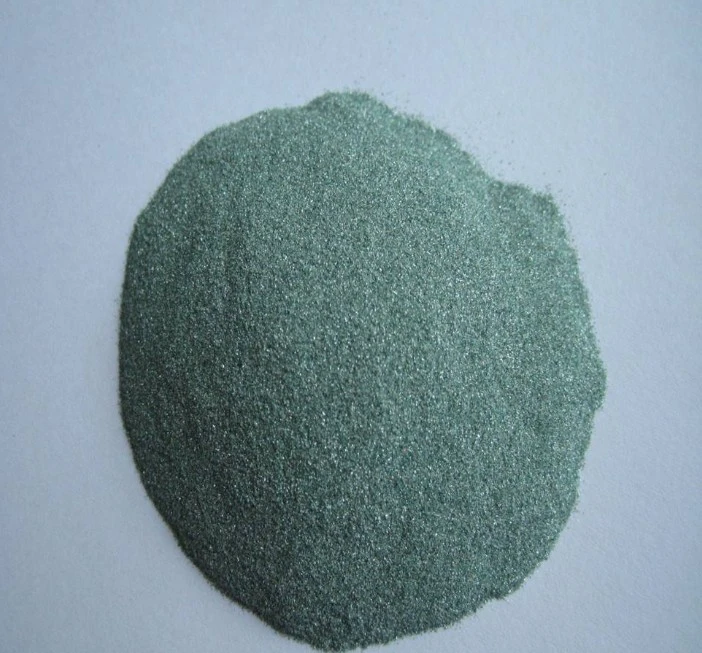
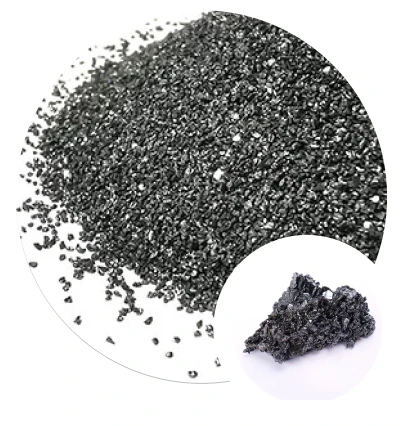
- Zinc Smelting: Zinc smelting processes, such as the Imperial Smelting Process, use refractory - lined furnaces. Refractory materials with good thermal insulation and corrosion resistance, like silicon carbide - based products, are employed. You can find more information about Black Silicon Carbide and Silicon Carbide SIC120 on our website.
Petrochemical Industry
The petrochemical industry uses refractory products in various applications, mainly in high - temperature reactors and furnaces.
- Reformers and Crackers: Steam reformers and crackers are used to produce hydrogen and other petrochemical products. These reactors operate at high temperatures (up to 1000°C) and require refractory linings to protect the steel shell from heat and chemical attack. Ceramic fiber modules and high - alumina castables are commonly used in these applications.
- Fired Heaters: Fired heaters are used to heat process fluids in the petrochemical plants. Refractory materials such as calcium silicate boards and alumina - silica bricks are used to line the heaters, providing thermal insulation and reducing heat loss.
Power Generation Industry
In the power generation industry, especially in coal - fired and waste - to - energy power plants, refractory products are used in boilers and incinerators.
- Boiler Linings: Coal - fired boilers operate at high temperatures and are subject to erosion and corrosion from fly ash and sulfur compounds. Refractory castables and bricks, such as high - alumina and fireclay bricks, are used to line the boiler walls and tubes. They protect the boiler structure and improve its thermal efficiency.
- Waste - to - Energy Incinerators: These incinerators burn municipal solid waste to generate electricity. Refractory linings in waste - to - energy incinerators need to resist the high temperatures, chemical corrosion from the waste, and mechanical wear. Specialized refractory materials with high corrosion resistance, such as White Fused Alumina And White Fused Alumina, are often used.
Conclusion
As a refractory supplier, I understand the critical role that refractory products play in these diverse industries. Each industry has its unique requirements in terms of temperature, corrosion, and mechanical stress, and choosing the right refractory material is essential for the efficient and safe operation of their equipment.
If you are in one of these industries or any other industry that requires refractory products, I invite you to contact us for more information and to discuss your specific needs. Our team of experts can provide you with customized solutions and high - quality refractory products to meet your requirements. Whether you need refractory bricks, castables, or insulating materials, we have the expertise and resources to serve you.
References
- "Refractories Handbook" by K. C. Mills and P. C. Pistorius
- "Industrial Refractories: Properties, Applications, and Selection" by R. A. Rapp and C. G. Levi
- Various industry - specific technical papers and reports from steel, cement, glass, and other industries.