

Can I buy alloy for forging?
Can I Buy Alloy for Forging?
As a reputable alloy supplier, I often receive inquiries from customers asking, "Can I buy alloy for forging?" The answer is a resounding yes! In this blog post, I'll delve into the world of alloys for forging, exploring the types of alloys available, their benefits, and how you can source the right alloy for your forging needs.
Types of Alloys for Forging
There are numerous alloys suitable for forging, each with its unique properties and applications. Here are some of the most common types:
- Steel Alloys: Steel is one of the most widely used materials in forging due to its high strength, durability, and versatility. Steel alloys can be customized by adding elements such as chromium, nickel, and molybdenum to enhance specific properties. For example, stainless steel alloys are highly resistant to corrosion, making them ideal for applications in harsh environments.
- Aluminum Alloys: Aluminum alloys are lightweight, corrosion-resistant, and have excellent thermal conductivity. They are commonly used in industries such as aerospace, automotive, and electronics. Aluminum forging can produce complex shapes with high precision, making it a popular choice for parts that require tight tolerances.
- Copper Alloys: Copper alloys, such as brass and bronze, are known for their excellent electrical and thermal conductivity, as well as their corrosion resistance. They are often used in electrical components, plumbing fixtures, and decorative items. Copper alloys can be forged to produce parts with intricate designs and high surface finish.
- Titanium Alloys: Titanium alloys offer a unique combination of high strength, low density, and excellent corrosion resistance. They are commonly used in aerospace, medical, and military applications where weight reduction and durability are critical. Titanium forging can produce parts with superior mechanical properties and fatigue resistance.
Benefits of Using Alloys for Forging
Using alloys for forging offers several advantages over other manufacturing processes. Here are some of the key benefits:
- Enhanced Strength and Durability: Alloys can be designed to have specific mechanical properties, such as high strength, hardness, and toughness. This makes them ideal for applications where the part will be subjected to high stress or wear. Forging further improves the strength and durability of the alloy by aligning the grain structure and eliminating internal defects.
- Improved Machinability: Forged alloys often have better machinability than cast or wrought materials. This means that they can be easily machined into the desired shape and size, reducing production time and cost. The uniform grain structure of forged alloys also results in better surface finish and dimensional accuracy.
- Cost-Effectiveness: While alloys may be more expensive than some base metals, the benefits they offer in terms of strength, durability, and machinability can result in significant cost savings in the long run. Forged parts are less likely to fail or require frequent replacement, reducing maintenance and downtime costs.
- Design Flexibility: Forging allows for the production of complex shapes and geometries that may not be possible with other manufacturing processes. This gives designers greater freedom to create innovative and efficient designs that meet the specific requirements of the application.
Sourcing Alloys for Forging
As an alloy supplier, I understand the importance of providing high-quality materials that meet the specific needs of my customers. Here are some tips on how to source the right alloy for your forging needs:
- Understand Your Requirements: Before you start looking for an alloy supplier, it's important to have a clear understanding of your requirements. Consider factors such as the application, the mechanical properties required, the size and shape of the part, and the production volume. This will help you narrow down your options and choose the alloy that is best suited for your needs.
- Research Potential Suppliers: Once you have a clear understanding of your requirements, start researching potential alloy suppliers. Look for suppliers that have a good reputation in the industry, offer a wide range of alloys, and have the necessary certifications and quality control measures in place. You can also ask for recommendations from other manufacturers or industry professionals.
- Request Samples and Quotes: Once you have identified a few potential suppliers, request samples and quotes from each of them. This will allow you to evaluate the quality of the alloys and compare the prices and delivery times offered by different suppliers. Make sure to ask about any additional services or support that the supplier can provide, such as technical assistance or custom alloy development.
- Evaluate the Supplier's Capabilities: In addition to the quality of the alloys and the price, it's also important to evaluate the supplier's capabilities. Look for suppliers that have the necessary equipment and expertise to produce the alloys you need in the required quantities and within the specified time frame. You should also consider the supplier's location and shipping options, as this can affect the delivery time and cost.
Our Alloy Products
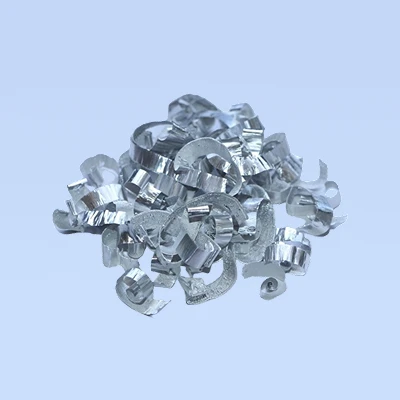
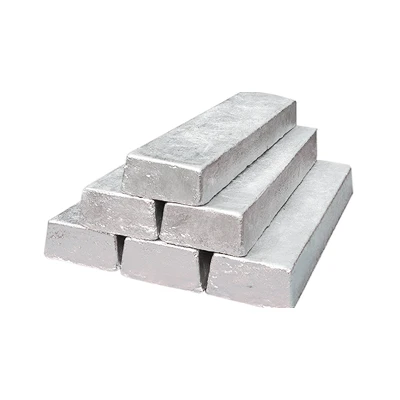
At our company, we offer a wide range of alloys for forging, including Manganese Metal, Magnesium Chips, Grade: Nanoshel, and Magnesium Ingot. Our alloys are sourced from reputable manufacturers and are carefully tested to ensure they meet the highest quality standards. We also offer custom alloy development services to meet the specific requirements of our customers.
Conclusion
In conclusion, if you're looking to buy alloy for forging, the answer is yes! There are numerous alloys available that are suitable for forging, each with its unique properties and applications. By understanding your requirements, researching potential suppliers, and evaluating the quality and capabilities of the alloys, you can source the right alloy for your forging needs. At our company, we are committed to providing high-quality alloys and excellent customer service. If you have any questions or would like to discuss your alloy requirements, please don't hesitate to contact us. We look forward to working with you to meet your forging needs.
References
- ASM Handbook, Volume 14A: Metalworking - Forging, ASM International, 2013.
- Metals Handbook: Properties and Selection: Irons, Steels, and High-Performance Alloys, ASM International, 1990.
- Forging Technology Handbook, CRC Press, 2007.