

What is the chemical composition of the abrasives I can buy?
Hey there! As a supplier of abrasives, I often get asked about the chemical composition of the abrasives you can buy. So, I thought I'd take some time to break it down for you.
First off, let's talk about one of the most common abrasives out there: white fused alumina oxide. This stuff is a real workhorse in the world of abrasives. The chemical formula for white fused alumina is Al₂O₃. It's made by fusing high - purity aluminum oxide powder in an electric arc furnace at extremely high temperatures, usually around 2000 - 2200°C.
This heating process causes the aluminum oxide to re - crystallize into a very hard and sharp form. White fused alumina is known for its high purity, which means it has very few impurities like silica, iron, or titanium. That high purity gives it great cutting performance and long service life. If you're interested in buying grit white fused alumina oxide for sandblasting from China, you can check out this link: Grit White Fused Alumina Oxide For Sandblasting From China. It's a great option for a bunch of applications, from metal finishing to glass etching.
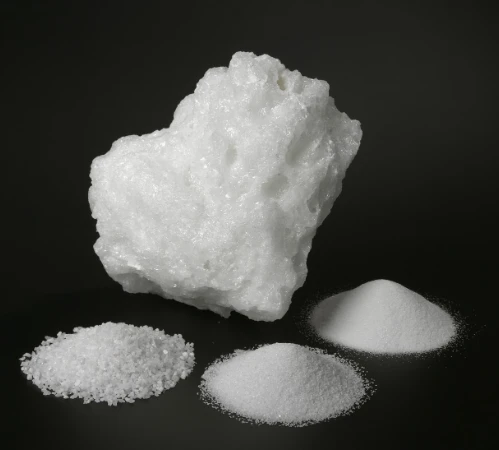
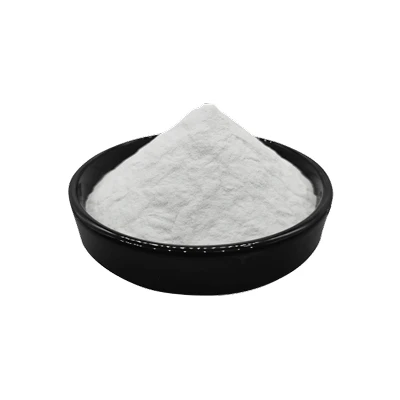
Next up is fused zirconia alumina. As the name suggests, it's a combination of zirconia (ZrO₂) and alumina (Al₂O₃). This blend is made by melting alumina and zircon sand together in an electric arc furnace. The ratio of zirconia to alumina can vary, but generally, it's around 30% zirconia and 70% alumina.
The zirconia in this abrasive gives it some really cool properties. It makes the abrasive more tough and resistant to wear. When the abrasive grains start to wear down, the zirconia helps to keep the edges sharp for longer. Fused zirconia alumina is perfect for grinding tough materials like steel and stainless steel. You can get more info about it at Fused Zirconia Alumina.
Now, let's switch gears and talk about silicon carbide. Silicon carbide has the chemical formula SiC. It's made by heating sand (which contains silicon dioxide, SiO₂) and carbon (usually in the form of coke) in an electric furnace at extremely high temperatures, around 2200°C.
There are two main types of silicon carbide: green and black. The black silicon carbide is more commonly used and is great for general - purpose grinding and sandblasting applications. It has a slightly lower purity than the green variety but is still very effective. If you're looking for silicon carbide blasting media (black), you can head over to Silicon Carbide Blasting Media (Black).
Silicon carbide is super hard, even harder than alumina. It has a hexagonal crystal structure, which gives it excellent cutting ability. It's often used for grinding non - ferrous metals, ceramics, and composites. Because it's so sharp and has good heat resistance, it can remove material quickly without overheating the work piece.
Another abrasive that's worth mentioning is aluminum oxide - zirconia blend. This is a bit different from the fused zirconia alumina we talked about earlier. In this case, the aluminum oxide and zirconia are blended together after they're made separately, rather than being melted together.
The chemical composition is a mix of Al₂O₃ and ZrO₂, but the way they interact is different. This blend combines the best of both worlds. Aluminum oxide is great for general - purpose grinding and has good durability, while zirconia adds toughness and self - sharpening properties. It's used in all sorts of grinding wheels and abrasive belts, especially for high - pressure grinding operations.
Then we have garnet abrasives. Garnet is a group of minerals with a complex chemical formula. The most common type used as an abrasive is almandine garnet, which has a formula like Fe₃Al₂(SiO₄)₃. Garnet is a natural abrasive that's mined from the earth. It's environmentally friendly compared to some of the synthetic abrasives.
Garnet has a blocky, angular shape, which gives it good cutting action. It's often used for sandblasting, especially for surface preparation before painting or coating. It can remove rust, old paint, and other contaminants effectively. And because it's a natural material, it's relatively safe to use around people and the environment.
So, now that you know about the chemical composition of these popular abrasives, let's talk about why this matters. Understanding the chemical makeup of an abrasive can help you choose the right one for your specific application. For example, if you're grinding a soft metal like aluminum, you might want to go with a less aggressive abrasive like garnet. But if you're working on hard, high - strength steel, you'll probably need something like fused zirconia alumina or silicon carbide.
Also, the chemical composition affects the lifespan of the abrasive. Abrasives with high - quality chemical components and fewer impurities tend to last longer and perform better. That means you can save money in the long run by choosing the right abrasive with the right chemical profile.
If you're in the market for abrasives, I'd love to help you out. Whether you need a small quantity for a DIY project or a large order for an industrial operation, I've got a wide range of options. Feel free to reach out to start a conversation about your needs. I can provide you with more detailed info, samples, and competitive prices.
In conclusion, the world of abrasives is diverse, and knowing the chemical composition is key to making the best choice for your work. Each abrasive has its own unique set of properties based on its chemical makeup, which gives you plenty of options to get the job done right.
References:
- “Abrasive Materials Handbook”
- Industry reports on abrasive manufacturing and applications
So, don't hesitate to get in touch if you're interested in purchasing abrasives. Let's find the perfect solution for your abrasive needs!