

What are the factors affecting the demand for Medium Carbon Ferromanganese?
As a medium carbon ferromanganese supplier, I've been deeply involved in the market, and I've seen firsthand how various factors can swing the demand for this alloy. Medium carbon ferromanganese is a crucial additive in the steel - making industry, mainly used to deoxidize and desulfurize molten steel and improve its strength, hardness, and toughness. Let's take a look at the key factors that influence its demand.
1. Steel Production Trends
One of the most significant factors is the overall state of the steel industry. When the construction sector is booming, there's a surge in the need for steel products like beams, rebar, and structural sections. Residential and commercial building projects, infrastructure works such as bridges and roads all require vast amounts of steel. Since medium carbon ferromanganese is a vital alloying agent in steel production, an uptick in construction automatically drives up its demand.
For instance, emerging economies with large - scale urbanization projects often experience a sharp increase in steel consumption. As new skyscrapers are being built and transportation networks are expanding, the steel mills in these regions crank up their production, leading to a higher demand for medium carbon ferromanganese.
On the flip side, during an economic downturn when construction slows down, the steel industry takes a hit, and so does the demand for our product. Once, during a global recession, the construction of new buildings was put on hold, and steel manufacturers had to cut back on production. As a result, the demand for medium carbon ferromanganese dropped significantly, and I saw a dip in our sales too.
2. Technological Advancements in Steel - making
The way steel is made is constantly evolving, and new technologies can have a big impact on the demand for medium carbon ferromanganese. Some of the latest steel - making processes are designed to be more efficient, using less alloying agents without sacrificing the quality of the end - product.
For example, advanced refining techniques can remove impurities more effectively at a lower cost, which might reduce the need for ferromanganese as a deoxidizer. However, other technologies could work in our favor. New methods that aim to enhance the strength and corrosion resistance of steel may actually require higher amounts of medium carbon ferromanganese to achieve the desired properties.
Plus, as the demand for specialty steels grows, such as high - strength low - alloy (HSLA) steels, these steels often need more precise alloying. Medium carbon ferromanganese is well - suited for this task, so it could experience increased demand in these niche markets.
3. Raw Material Availability and Prices
The availability and prices of the raw materials used to produce medium carbon ferromanganese can greatly affect its market demand. Manganese ore is the primary ingredient, and any disruptions in its supply can be a real headache.
If there are problems with mining in major manganese - producing regions, like strikes in mines or natural disasters that damage mining facilities, the supply of manganese ore will tighten. This scarcity drives up the price of the ore, which in turn increases the cost of producing medium carbon ferromanganese. When our production cost goes up, we may have to raise the price for our customers. Higher prices usually lead to a decrease in demand as steel manufacturers look for more cost - effective alternatives.
Conversely, when manganese ore is abundant and the prices are low, we can produce medium carbon ferromanganese at a lower cost. We can then offer more competitive prices to our customers, which is likely to spur demand.
4. Environmental Regulations
In today's world, environmental concerns are at the forefront, and steel production is no exception. Stricter environmental regulations can have a significant influence on the demand for medium carbon ferromanganese.
Some traditional steel - making processes emit large amounts of pollutants, and regulatory bodies are pushing for cleaner production methods. If these regulations require steel manufacturers to reduce their carbon emissions or limit the use of certain chemicals, it could either increase or decrease the demand for our product.
For example, if new regulations promote the use of cleaner - burning alloys that reduce greenhouse gas emissions, and medium carbon ferromanganese fits the bill, its demand may increase. On the other hand, if regulations favor alternative deoxidizers and alloying agents that are considered more environmentally friendly, the demand for our product could take a hit.
5. Substitute Products
The presence of substitute products is another factor that can affect the demand for medium carbon ferromanganese. There are other alloying elements and deoxidizers available in the market that can sometimes be used instead of our product.
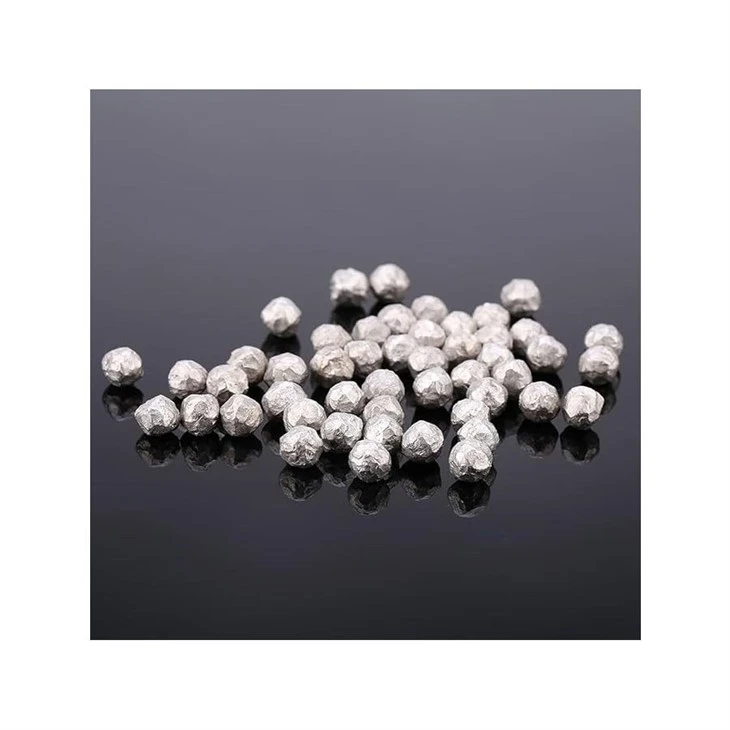
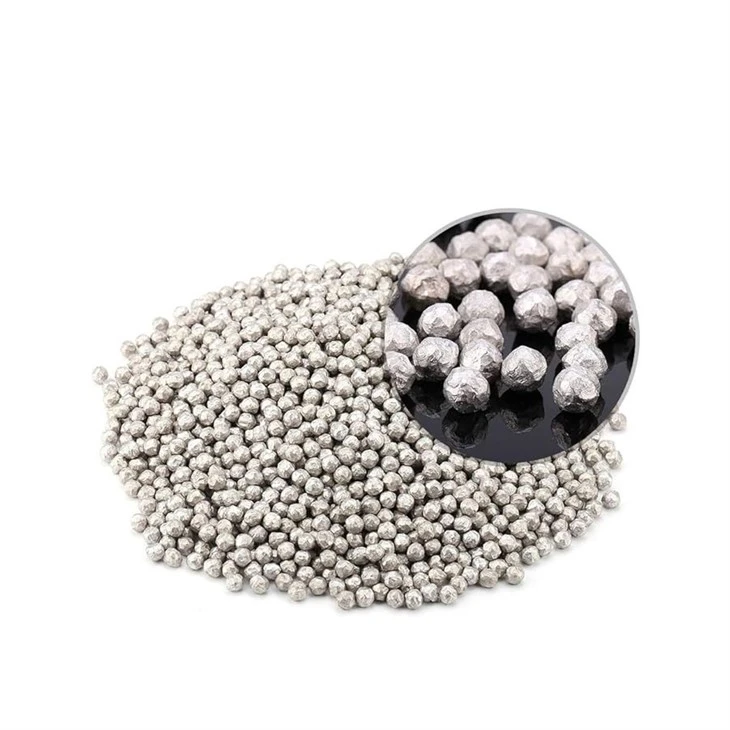
500g Magnesium Metal Bead 99.99% Pure Mg Metal Granules Small Beads 6mm For Alloy Material Manufacture DIY Crafts Decoration can be used in some alloy - making processes. Magnesium is known for its light weight and good alloying properties. In certain applications where weight reduction is a priority, such as in the automotive and aerospace industries, magnesium - based alloys might be preferred over those containing medium carbon ferromanganese.
Atomized Spherical Al - Mg Alloy Powder is another alternative. Aluminum - magnesium alloys are popular in the manufacturing of lightweight components due to their high strength - to - weight ratio. If the demand for these lightweight components surges, the use of these substitute powders could increase, potentially reducing the demand for medium carbon ferromanganese.
Magnesium Alloy Chips / Turnings can also be recycled and used in some alloying processes. Recycling is becoming more popular due to its cost - effectiveness and environmental benefits. If the recycling technology for magnesium alloy chips improves and the cost becomes more competitive, it could cut into the market share of medium carbon ferromanganese.
6. Global Trade and Tariffs
International trade plays a huge role in the demand for medium carbon ferromanganese. In a globalized marketplace, steel manufacturers can source their alloying agents from different countries. Trade policies and tariffs can either open up or restrict the access to our product.
If a country imposes high tariffs on imported medium carbon ferromanganese, it can make our product more expensive for local steel manufacturers. This could reduce the demand as they might turn to local suppliers or look for alternative products. On the other hand, free trade agreements that eliminate or reduce tariffs can expand the market for our product. For example, when a free trade agreement is signed between two regions, the cost of importing and exporting medium carbon ferromanganese goes down, making it more attractive to buyers on both sides.
Contact for Procurement
All these factors combined create a complex and dynamic market for medium carbon ferromanganese. As a supplier, I'm always on top of these trends to ensure we can meet the needs of our customers. Whether you're a large - scale steel mill or a small - scale metal fabricator, if you're interested in procuring medium carbon ferromanganese, I'd be more than happy to discuss your requirements. Reach out, and let's have a chat about how we can work together to get you the best quality product at a competitive price.
References
- "Manganese in Steelmaking" - Steel Industry Handbook
- "Global Trends in Alloying Agents for the Steel Sector" - Metallurgy Research Journal
- "Impact of Environmental Policies on Steel Production" - Environmental Science and Technology Magazine