

What is the compressive strength of Brown Fused Alumina?
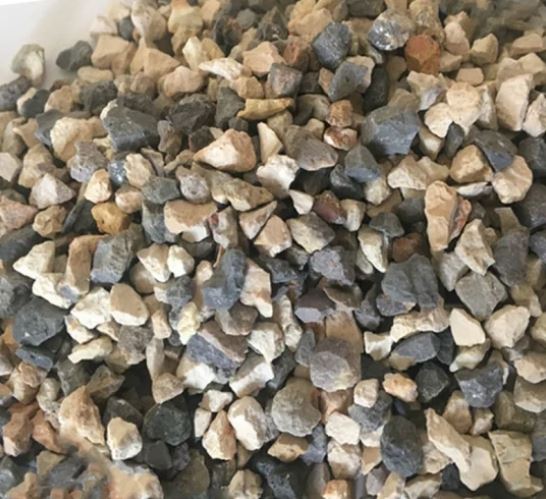
Brown fused alumina is a widely used abrasive and refractory material known for its excellent hardness, toughness, and thermal stability. As a supplier of brown fused alumina, I often receive inquiries about its various properties, including its compressive strength. In this blog post, I will delve into the concept of compressive strength, explain what factors affect the compressive strength of brown fused alumina, and discuss its significance in different applications.
Understanding Compressive Strength
Compressive strength is a measure of a material's ability to withstand compressive forces without breaking or deforming permanently. It is typically expressed in units of pressure, such as megapascals (MPa) or pounds per square inch (psi). When a material is subjected to a compressive load, it experiences internal stresses that can cause it to fail if they exceed the material's strength.
In the case of brown fused alumina, compressive strength is an important property because it determines the material's performance in applications where it is exposed to high pressures or forces. For example, in abrasive applications, brown fused alumina particles are used to grind, cut, or polish other materials. During these processes, the particles are subjected to high compressive forces as they come into contact with the workpiece. If the compressive strength of the brown fused alumina is too low, the particles may break or fracture, reducing their effectiveness and increasing the wear rate of the abrasive tool.
Factors Affecting the Compressive Strength of Brown Fused Alumina
The compressive strength of brown fused alumina can be influenced by several factors, including its chemical composition, crystal structure, and manufacturing process.
Chemical Composition
Brown fused alumina is primarily composed of aluminum oxide (Al₂O₃), with small amounts of other impurities such as silicon dioxide (SiO₂), titanium dioxide (TiO₂), and iron oxide (Fe₂O₃). The exact chemical composition of brown fused alumina can vary depending on the raw materials used and the manufacturing process.
In general, a higher percentage of aluminum oxide in the brown fused alumina results in a higher compressive strength. This is because aluminum oxide has a high hardness and strength, which contributes to the overall strength of the material. However, the presence of impurities can also affect the compressive strength. For example, silicon dioxide can form a glassy phase in the brown fused alumina, which can reduce its strength and toughness.
Crystal Structure
The crystal structure of brown fused alumina also plays an important role in determining its compressive strength. Brown fused alumina typically has a corundum crystal structure, which is a hexagonal close-packed structure. This crystal structure gives brown fused alumina its high hardness and strength.
However, the crystal structure of brown fused alumina can be affected by the manufacturing process. For example, rapid cooling during the fusion process can result in the formation of a fine-grained structure, which can increase the compressive strength of the material. On the other hand, slow cooling can lead to the formation of a coarse-grained structure, which can reduce the compressive strength.
Manufacturing Process
The manufacturing process of brown fused alumina can also have a significant impact on its compressive strength. Brown fused alumina is typically produced by melting bauxite, a naturally occurring aluminum ore, in an electric arc furnace at high temperatures. The molten material is then cooled and solidified to form brown fused alumina.
The quality of the raw materials, the melting temperature, and the cooling rate are all important factors in the manufacturing process that can affect the compressive strength of brown fused alumina. For example, using high-quality bauxite with a low impurity content can result in a higher-quality brown fused alumina with a higher compressive strength. Additionally, controlling the melting temperature and cooling rate can help to optimize the crystal structure of the brown fused alumina, further improving its compressive strength.
Measuring the Compressive Strength of Brown Fused Alumina
The compressive strength of brown fused alumina can be measured using a variety of methods, including the uniaxial compression test and the diametral compression test.
Uniaxial Compression Test
In the uniaxial compression test, a cylindrical specimen of brown fused alumina is placed between two flat platens and subjected to a compressive load until it fails. The compressive strength is then calculated by dividing the maximum load applied to the specimen by its cross-sectional area.
Diametral Compression Test
The diametral compression test, also known as the Brazilian test, is a method used to measure the tensile strength of brittle materials such as brown fused alumina. In this test, a cylindrical specimen of brown fused alumina is placed between two flat platens and subjected to a compressive load along its diameter. The tensile strength is then calculated based on the maximum load applied to the specimen and its dimensions.
Significance of Compressive Strength in Different Applications
The compressive strength of brown fused alumina is an important property that determines its performance in various applications. Here are some examples of how compressive strength affects the use of brown fused alumina in different industries:
Abrasive Applications
In abrasive applications, such as grinding, cutting, and polishing, the compressive strength of brown fused alumina is crucial for ensuring the durability and effectiveness of the abrasive tool. A higher compressive strength means that the brown fused alumina particles can withstand the high pressures and forces generated during the abrasive process without breaking or fracturing. This results in a longer tool life, better cutting performance, and a higher quality finish on the workpiece.
Refractory Applications
In refractory applications, brown fused alumina is used as a raw material for manufacturing refractory bricks, castables, and other refractory products. These products are used in high-temperature environments, such as furnaces, kilns, and incinerators, where they are exposed to extreme heat and mechanical stresses. The compressive strength of brown fused alumina is important in these applications because it determines the ability of the refractory product to withstand the high pressures and forces generated by the thermal expansion and contraction of the materials inside the furnace.
Foundry Applications
In foundry applications, brown fused alumina is used as a molding sand or a core sand. The compressive strength of the brown fused alumina sand is important in these applications because it determines the ability of the sand to hold its shape during the casting process and to withstand the forces exerted by the molten metal. A higher compressive strength means that the sand can maintain its integrity and prevent the formation of defects in the castings.
Conclusion
In conclusion, the compressive strength of brown fused alumina is an important property that is influenced by its chemical composition, crystal structure, and manufacturing process. Measuring the compressive strength of brown fused alumina is essential for ensuring its quality and performance in various applications. As a supplier of brown fused alumina, we are committed to providing our customers with high-quality products that meet their specific requirements.
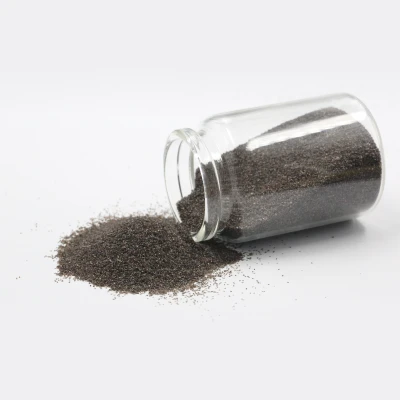
If you are interested in learning more about our BROWN FUSED ALUMINA products or have any questions about their compressive strength or other properties, please feel free to contact us. We also offer Oem White Alumina Oxide Powder and High Alumina Rotary Kiln Bauxite Ai2O3 90% for your specific needs. Our team of experts is always ready to assist you in finding the right solution for your application.
References
- ASTM C133-19 Standard Test Method for Abrasion Resistance of Concrete by the Rotary-Platform, Double-Head Abraser
- ISO 6506-1:2014 Metallic materials - Brinell hardness test - Part 1: Test method
- ASM Handbook, Volume 8: Mechanical Testing and Evaluation