

What is the effect of Brown Fused on the friction coefficient of materials?
Brown Fused, also known as brown fused alumina, is a widely used abrasive material with unique properties that have significant effects on the friction coefficient of various materials. As a supplier of Brown Fused, I have witnessed firsthand how this material can transform the performance of different surfaces through its impact on friction. In this blog, we will explore the intricate relationship between Brown Fused and the friction coefficient of materials, delving into the science behind it and its practical applications.
Understanding the Friction Coefficient
Before we dive into the effect of Brown Fused on the friction coefficient, it's essential to understand what the friction coefficient is. The friction coefficient is a dimensionless value that represents the ratio of the force of friction between two bodies to the force pressing them together. It is a measure of how easily one surface can slide over another. A high friction coefficient indicates that there is a significant amount of resistance to sliding, while a low friction coefficient means that the surfaces can slide more easily.
Friction plays a crucial role in many aspects of our daily lives and industrial applications. It is essential for activities such as walking, driving, and braking, as well as in manufacturing processes like metalworking, grinding, and polishing. Controlling the friction coefficient of materials is often necessary to achieve optimal performance and efficiency.
Properties of Brown Fused
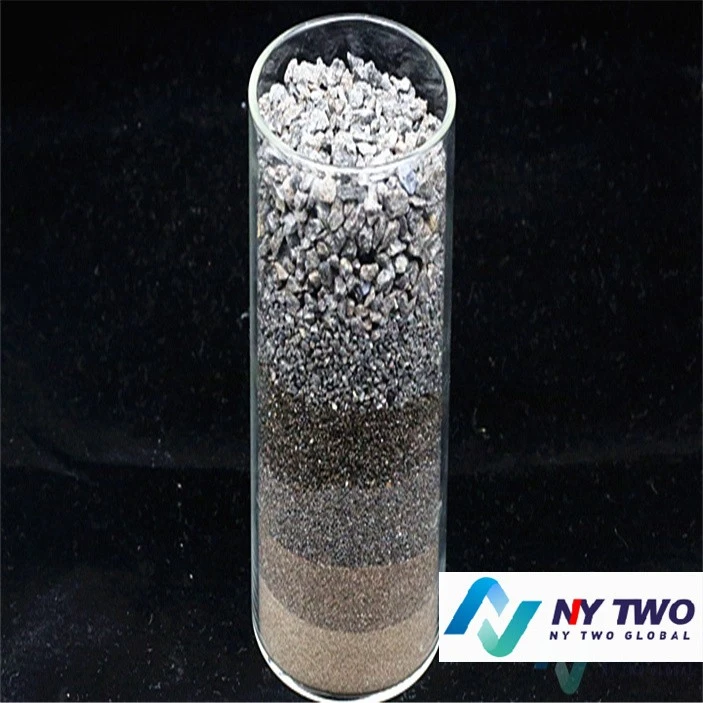
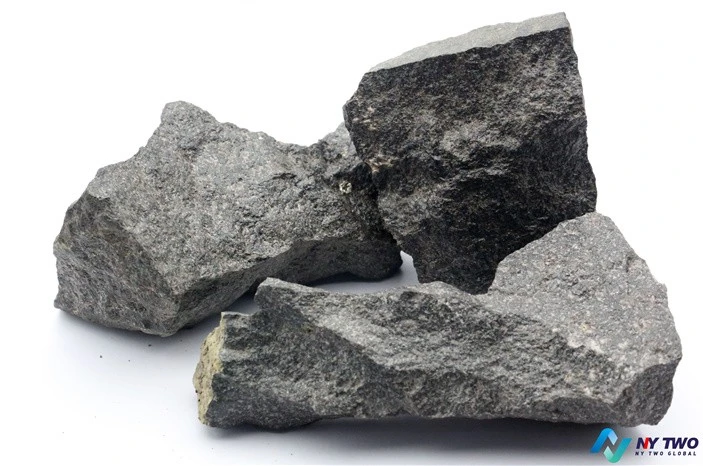
Brown Fused is a synthetic abrasive material made by fusing bauxite in an electric arc furnace. It is composed primarily of aluminum oxide (Al₂O₃), with small amounts of other elements such as silicon, titanium, and iron. The resulting material has several key properties that make it an excellent choice for abrasive applications:
- Hardness: Brown Fused is extremely hard, with a Mohs hardness of around 9. This makes it suitable for grinding and cutting hard materials such as metals, ceramics, and glass.
- Toughness: It has high toughness, which means it can withstand the forces generated during abrasive processes without breaking or fracturing easily.
- Sharpness: The particles of Brown Fused have sharp edges and corners, which provide excellent cutting ability.
- Thermal Stability: Brown Fused can withstand high temperatures without losing its hardness or strength, making it suitable for use in high-speed grinding operations.
How Brown Fused Affects the Friction Coefficient
The addition of Brown Fused to a material can have a significant impact on its friction coefficient. There are several ways in which Brown Fused can influence friction:
1. Surface Roughness
One of the primary ways Brown Fused affects the friction coefficient is by altering the surface roughness of the material. When Brown Fused particles are applied to a surface, they can create microscopic grooves and ridges, increasing the surface area in contact with other surfaces. This increased surface area leads to more interlocking between the surfaces, resulting in a higher friction coefficient.
For example, in metalworking applications, Brown Fused abrasives are often used to grind and polish metal surfaces. The abrasive action of the Brown Fused particles creates a rough surface finish, which can improve the grip between the metal and other components, such as gears or brakes. This increased friction can enhance the performance and safety of the machinery.
2. Abrasive Action
Brown Fused's abrasive nature also plays a role in affecting the friction coefficient. As the Brown Fused particles come into contact with a surface, they can remove small amounts of material through abrasion. This process can change the surface properties of the material, such as its hardness and smoothness, which in turn can affect the friction coefficient.
In some cases, the abrasive action of Brown Fused can reduce the friction coefficient. For instance, when used to polish a surface, Brown Fused can remove any irregularities or asperities, creating a smoother surface. A smoother surface generally has a lower friction coefficient, allowing for easier sliding between surfaces.
3. Lubrication and Cooling
In certain applications, Brown Fused can also act as a lubricant and coolant. When used in grinding or cutting operations, the Brown Fused particles can help to reduce the heat generated by friction. By dissipating heat, the material can maintain its mechanical properties and prevent excessive wear. Additionally, the Brown Fused particles can act as a barrier between the surfaces, reducing direct contact and thus lowering the friction coefficient.
Practical Applications
The effect of Brown Fused on the friction coefficient has numerous practical applications across various industries:
1. Automotive Industry
In the automotive industry, Brown Fused is used in the manufacturing of brake pads and clutches. The high friction coefficient created by Brown Fused particles ensures reliable braking and smooth clutch engagement. By controlling the amount and distribution of Brown Fused in the brake pad material, manufacturers can optimize the friction performance to meet specific requirements.
2. Metalworking
In metalworking processes such as grinding, milling, and turning, Brown Fused abrasives are widely used to shape and finish metal parts. The ability to control the friction coefficient is crucial for achieving precise dimensions and surface finishes. For example, in precision grinding operations, a high friction coefficient can be beneficial for removing material quickly, while a low friction coefficient may be required for a final polishing step.
3. Construction
Brown Fused is also used in the construction industry for applications such as floor grinding and polishing. By using Brown Fused abrasives, contractors can create a rough surface on concrete floors, which improves traction and reduces the risk of slips and falls. The friction coefficient of the floor can be adjusted by selecting the appropriate grade of Brown Fused and the grinding process parameters.
4. Electronics
In the electronics industry, Brown Fused is used for polishing and finishing semiconductor wafers. The precise control of the friction coefficient is essential to ensure the quality and performance of the wafers. A low friction coefficient is required to prevent damage to the delicate semiconductor materials during the polishing process.
Links to Related Products and Information
If you're interested in learning more about Brown Fused and its applications, I recommend checking out the following links:
- Brown Aluminum Oxide Media: This page provides detailed information about brown aluminum oxide media, including its properties, applications, and available grades.
- Tungsten Carbide Hs Code: Here, you can find information about the HS code for tungsten carbide, which is often used in conjunction with Brown Fused in certain abrasive applications.
- The Effect And Function Of Spinel: This link explores the effect and function of spinel, another abrasive material that can be used in combination with Brown Fused to achieve specific friction coefficients.
Contact for Procurement
If you're interested in purchasing Brown Fused for your specific application, I invite you to contact us for a detailed discussion. Our team of experts can provide you with technical support, product recommendations, and competitive pricing. We are committed to providing high-quality Brown Fused products that meet your requirements and help you achieve optimal performance in your processes.
References
- "Handbook of Abrasive Technology" by Ramesh Singh
- "Friction and Wear of Materials" by William D. Kingery
- "Industrial Abrasives: Manufacturing, Applications, and Markets" by Richard A. Haber