

What is the slag resistance of refractory materials?
What is the slag resistance of refractory materials?
As a refractory supplier, I've had the privilege of witnessing firsthand the crucial role that slag resistance plays in the performance of refractory materials. In industrial applications, especially in high - temperature environments like steelmaking, non - ferrous metal smelting, and glass manufacturing, refractory materials are constantly exposed to molten slags. Understanding slag resistance is essential for both manufacturers and end - users to ensure the long - term and efficient operation of their facilities.
Slag resistance refers to the ability of a refractory material to withstand the chemical attack, corrosion, and mechanical erosion caused by molten slags at high temperatures. Molten slags are complex mixtures of oxides, sulfides, and other compounds formed during the smelting and refining processes. These slags can be highly reactive, and their interaction with refractory materials can lead to significant degradation over time.
The chemical composition of slags varies depending on the specific industrial process. For example, in steelmaking, slags typically contain calcium oxide (CaO), silica (SiO₂), alumina (Al₂O₃), and magnesium oxide (MgO). In non - ferrous metal smelting, slags may have different compositions, such as high levels of iron oxide (FeO) or other metal oxides. The chemical reactions between the slag and the refractory material can be divided into several types.
One of the most common chemical reactions is the dissolution of the refractory material into the slag. For instance, if a refractory material contains silica, and the slag has a high calcium oxide content, a reaction can occur to form calcium silicates. This dissolution process weakens the structure of the refractory material, reducing its strength and integrity. Another type of reaction is the formation of new compounds at the interface between the slag and the refractory. These new compounds may have different physical and chemical properties, which can also lead to spalling or cracking of the refractory.
Mechanical erosion is another factor that affects the slag resistance of refractory materials. As the molten slag flows over the surface of the refractory, it can cause abrasion and wear. The velocity of the slag flow, the viscosity of the slag, and the shape and roughness of the refractory surface all influence the degree of mechanical erosion.
To improve the slag resistance of refractory materials, several strategies can be employed. First, choosing the right raw materials is crucial. High - purity raw materials generally have better slag resistance. For example, Superfine Hydroxide Aluminium can be used as a raw material for refractory production. It has a high alumina content and fine particle size, which can help to form a dense and stable structure in the refractory material, enhancing its resistance to chemical attack.
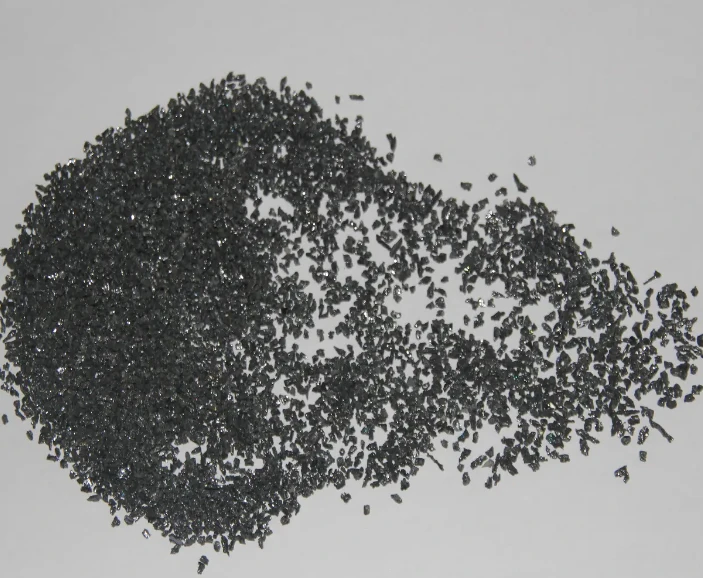
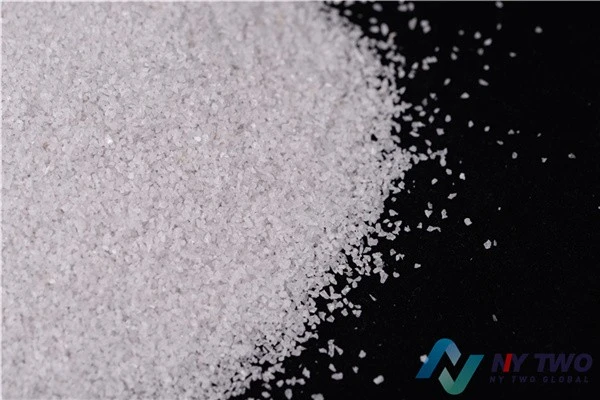
Another important raw material is White Alundum Made in China. White alundum is a high - quality alumina material with excellent thermal stability and chemical inertness. It can be used to increase the alumina content of the refractory, which can improve its resistance to many types of slags. Silicon carbide is also a popular choice for improving slag resistance. Silicon Carbide Powder has high hardness, good thermal conductivity, and excellent chemical stability. When added to the refractory material, it can form a protective layer on the surface, reducing the contact between the slag and the refractory and thus improving the slag resistance.
In addition to raw material selection, the manufacturing process of refractory materials also affects their slag resistance. Proper sintering or firing processes can ensure that the refractory material has a dense and uniform structure. This dense structure can prevent the penetration of the slag into the interior of the refractory, reducing the risk of chemical reactions and mechanical erosion.
The design of the refractory lining also plays an important role in slag resistance. For example, in some applications, a multi - layer lining can be used. The inner layer can be made of a material with excellent slag resistance, while the outer layer can provide mechanical support and insulation. This design can effectively protect the refractory from the attack of the slag while maintaining its overall performance.
In the market, different types of refractory materials have different levels of slag resistance. For example, alumina - based refractories are widely used in many industries due to their relatively good slag resistance. Magnesia - based refractories are also popular, especially in applications where the slag has a high iron oxide content. Carbon - containing refractories, such as carbon - bonded alumina bricks, have excellent thermal shock resistance and slag resistance, and are often used in steelmaking ladles.
As a refractory supplier, I understand the importance of providing our customers with refractory materials with high slag resistance. We conduct strict quality control during the production process, from raw material selection to the final product inspection. Our R & D team is constantly working on developing new refractory materials and improving the existing ones to meet the ever - changing requirements of the market.
If you are in need of refractory materials with excellent slag resistance for your industrial application, whether it is steelmaking, non - ferrous metal smelting, or glass manufacturing, we are here to help. Our experienced sales team can provide you with professional advice on choosing the right refractory materials for your specific needs. We can also offer customized solutions based on your requirements.
We believe that by providing high - quality refractory materials with excellent slag resistance, we can help our customers improve the efficiency and reliability of their industrial processes, reduce maintenance costs, and increase the service life of their equipment. If you are interested in learning more about our products or have any questions regarding refractory materials and slag resistance, please feel free to contact us for further discussion and procurement negotiation.
References
- "Refractory Materials: Principles and Practice" by John N. Plaskett
- "Handbook of Refractory Technology" edited by Klaus J. Schneider, Dieter Schwagten, and Peter Vassen
- Various industry research reports on refractory materials and their applications in different industries.