

What is the flowability of White Fused Alumina powder?
Hey there! As a supplier of White Fused Alumina powder, I often get asked about its flowability. So, I thought I'd take a moment to break it down for you.
First off, let's talk about what flowability actually means. In simple terms, flowability refers to how easily a powder can flow. This is super important in a bunch of industries, like ceramics, refractories, and abrasives. If a powder doesn't flow well, it can cause all sorts of problems during processing, like clogging in hoppers or uneven distribution in molds.
Now, when it comes to White Fused Alumina powder, its flowability is influenced by several factors. One of the main ones is particle size. Generally speaking, powders with larger particle sizes tend to flow better than those with smaller ones. That's because smaller particles have a higher surface area, which means they can stick together more easily due to forces like van der Waals forces.
For example, if you have a White Fused Alumina powder with a very fine particle size, say in the micrometer range, it might be a bit more difficult to get it to flow smoothly. On the other hand, a powder with a coarser particle size, like in the millimeter range, will usually flow more freely.
Another factor that affects flowability is particle shape. White Fused Alumina particles can have different shapes, such as spherical, angular, or irregular. Spherical particles tend to have better flowability because they can roll over each other more easily. Angular or irregularly shaped particles, on the other hand, can get stuck together and impede the flow.
Moisture content also plays a role. If the White Fused Alumina powder has too much moisture, it can clump together and reduce its flowability. That's why it's important to store the powder in a dry environment and make sure it's properly dried before use.
The density of the powder can impact flowability as well. A denser powder might flow differently compared to a less dense one. Higher density powders can sometimes be more difficult to fluidize, which means they might not flow as well in certain applications.
So, how do we measure the flowability of White Fused Alumina powder? There are a few common methods. One is the angle of repose. This is the angle formed by a pile of powder when it's poured onto a flat surface. A smaller angle of repose indicates better flowability.
Another method is the flow rate through an orifice. You can measure how long it takes for a certain amount of powder to flow through a small opening. A faster flow rate means better flowability.
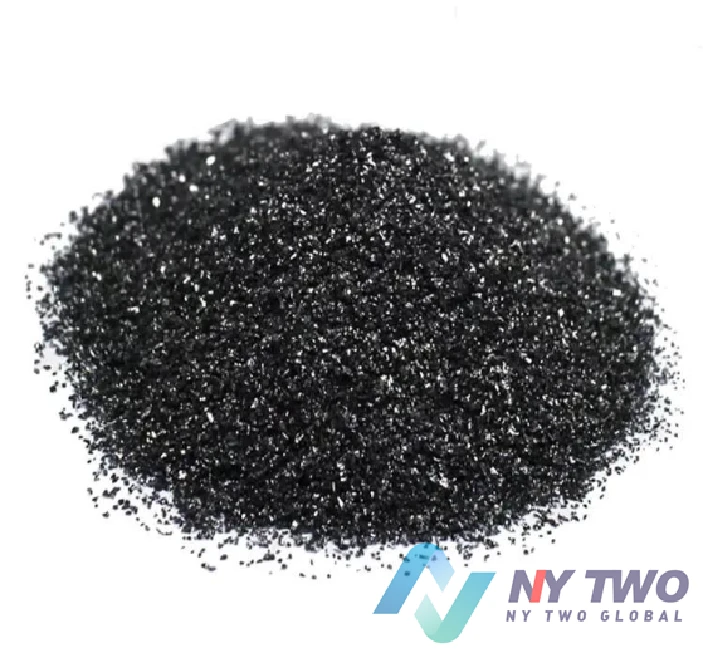
Now, let's talk about why the flowability of White Fused Alumina powder matters in different industries. In the refractory industry, for instance, good flowability is crucial for making high - quality refractory products. Brown Aluminum Oxide for Refractory is also an important material in this industry, and similar flowability considerations apply. When making refractory bricks or linings, the powder needs to flow evenly into the molds to ensure uniform density and quality.
In the abrasive industry, flowability affects how the powder is applied. Whether it's for grinding wheels or sandblasting, a powder that flows well can be more easily and evenly distributed, leading to better abrasive performance.
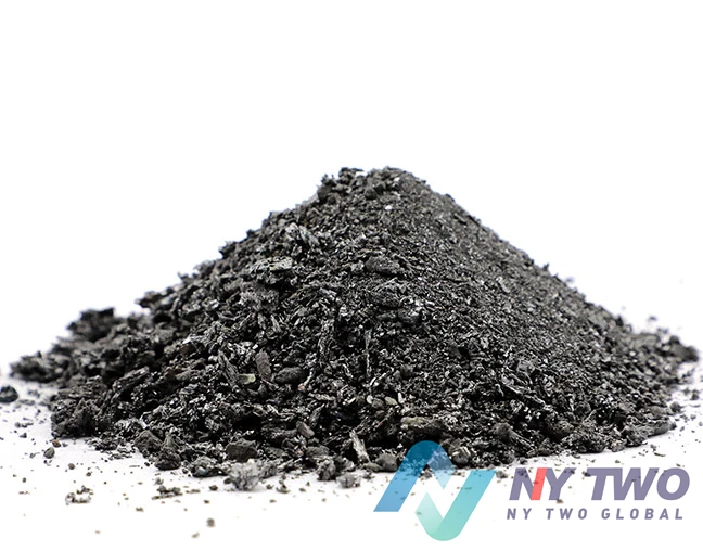
In the ceramics industry, flowability is essential for processes like slip casting. The powder needs to flow smoothly into the molds to create intricate ceramic shapes without any defects. China Silicon Carbide Manufacturer also supplies materials that are used in conjunction with White Fused Alumina in some ceramic applications, and the flowability of all these materials needs to be well - understood.
Electric Melt Mullite is another material that is often used in similar industries, and like White Fused Alumina, its flowability characteristics are important for proper processing.
As a supplier, we take great care to ensure that our White Fused Alumina powder has good flowability. We carefully control the production process to get the right particle size, shape, and moisture content. We also conduct regular quality checks using the methods I mentioned earlier to make sure the powder meets the high - flowability standards our customers need.
If you're in an industry that uses White Fused Alumina powder and you're having issues with flowability, or if you're just looking for a reliable supplier, don't hesitate to reach out. We're here to help you find the perfect solution for your specific needs. Whether it's adjusting the particle size or providing technical support, we've got you covered.
In conclusion, the flowability of White Fused Alumina powder is a complex but important characteristic. It's influenced by factors like particle size, shape, moisture content, and density, and it has a significant impact on various industrial processes. As a supplier, we're committed to providing high - quality powder with excellent flowability. So, if you're interested in purchasing White Fused Alumina powder or have any questions, feel free to contact us for a discussion.
References:
- "Powder Technology Handbook" - This handbook provides in - depth knowledge about powder properties, including flowability.
- Industry research papers on refractory, abrasive, and ceramic materials which discuss the importance of powder flowability in these fields.