

What is the standard carbon content in Ferro Manganese Low Carbon?
As a supplier of Ferro Manganese Low Carbon, I often encounter inquiries about the standard carbon content in this alloy. Understanding the standard carbon content is crucial for both producers and consumers, as it directly impacts the alloy's properties and applications. In this blog post, I will delve into the details of the standard carbon content in Ferro Manganese Low Carbon, its significance, and how it relates to the overall quality of the product.
Understanding Ferro Manganese Low Carbon
Ferro Manganese Low Carbon is an important alloy used in the steelmaking industry. It is a combination of iron, manganese, and a relatively low amount of carbon. Manganese plays a vital role in improving the strength, hardness, and wear resistance of steel. By adding Ferro Manganese Low Carbon to the steelmaking process, manufacturers can enhance the quality of the final steel product.
Standard Carbon Content
The standard carbon content in Ferro Manganese Low Carbon typically ranges from 0.2% to 0.7%. This low carbon content is what differentiates it from other types of Ferro Manganese alloys. The strict control of carbon content is essential because excessive carbon can lead to the formation of carbides, which may affect the alloy's ductility and weldability. On the other hand, too little carbon may not provide the desired strength and hardness.
The specific carbon content within this range is determined by various factors, including the intended application of the steel, the manufacturing process, and the customer's requirements. For instance, in applications where high strength and hardness are required, a slightly higher carbon content towards the upper end of the range may be preferred. Conversely, for applications that demand good ductility and weldability, a lower carbon content may be more suitable.
Significance of Standard Carbon Content
The standard carbon content in Ferro Manganese Low Carbon has a significant impact on the alloy's properties and performance. Here are some key aspects:
Mechanical Properties
- Strength and Hardness: A proper carbon content helps in achieving the desired strength and hardness of the steel. Carbon atoms dissolve in the iron lattice, strengthening the material and making it more resistant to deformation.
- Ductility and Toughness: Controlling the carbon content ensures that the alloy maintains good ductility and toughness. Excessive carbon can make the steel brittle, reducing its ability to absorb energy without fracturing.
Weldability
- Weld Quality: Low carbon content improves the weldability of the steel. High carbon levels can lead to the formation of hard and brittle zones in the weld area, increasing the risk of cracking during welding.
- Weld Efficiency: With a suitable carbon content, the welding process can be carried out more efficiently, resulting in better-quality welds and reduced production costs.
Corrosion Resistance
- Surface Protection: The carbon content can also affect the alloy's corrosion resistance. A well-balanced carbon content helps in forming a protective oxide layer on the surface of the steel, preventing corrosion and extending its service life.
Quality Control
As a supplier, maintaining strict quality control over the carbon content in Ferro Manganese Low Carbon is of utmost importance. We use advanced analytical techniques, such as spectroscopy and chemical analysis, to accurately measure the carbon content in our products. Our production processes are carefully monitored to ensure that the carbon content remains within the specified range.
In addition to carbon content, we also pay close attention to other elements in the alloy, such as manganese, silicon, and phosphorus. These elements can interact with carbon and affect the alloy's properties. By controlling all these elements, we can produce high-quality Ferro Manganese Low Carbon that meets the diverse needs of our customers.
Applications
Ferro Manganese Low Carbon is widely used in various industries, including:
Steelmaking
- Structural Steel: In the construction of buildings, bridges, and other infrastructure projects, Ferro Manganese Low Carbon is used to improve the strength and durability of structural steel.
- Automotive Industry: It is used in the manufacturing of automotive parts, such as engine components, chassis, and body panels, to enhance the performance and safety of vehicles.
Foundry
- Casting: Ferro Manganese Low Carbon is added to molten metal during the casting process to improve the quality of the castings. It helps in reducing porosity, improving the surface finish, and enhancing the mechanical properties of the cast products.
Related Products
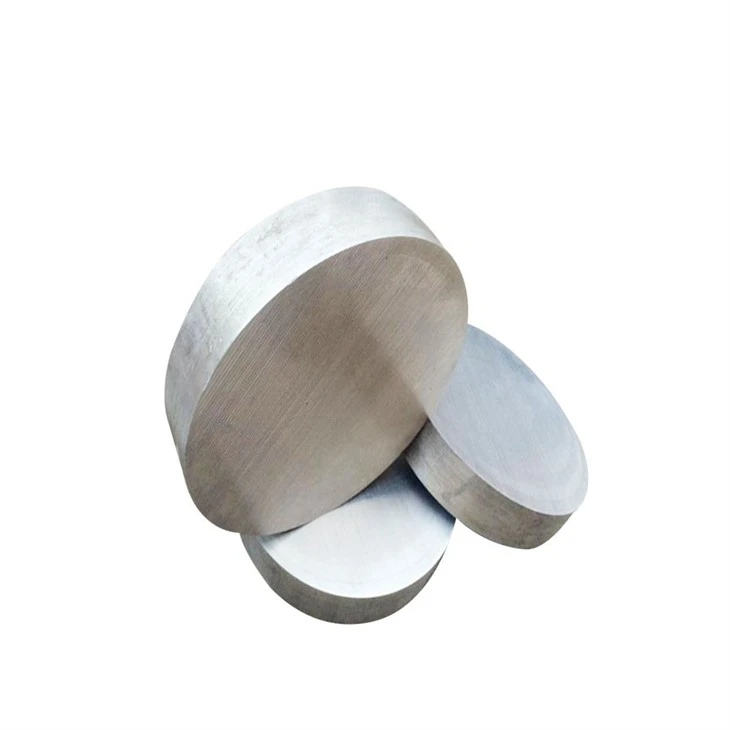
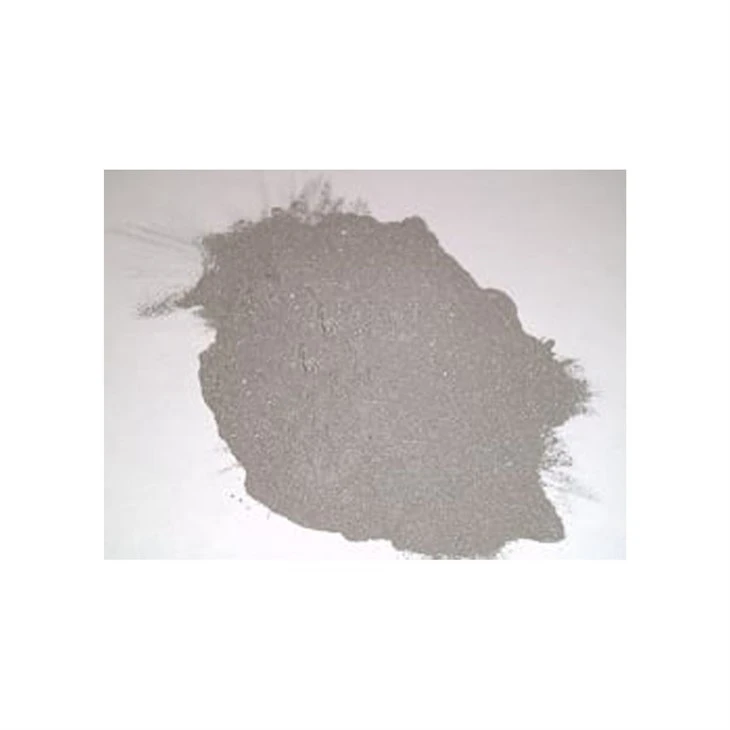
As a supplier, we also offer a range of related products that complement Ferro Manganese Low Carbon. For example, we provide Good Sales Aluminized Magnesium Plate, which is known for its excellent corrosion resistance and lightweight properties. Our High Purity 99.9% Silver White Magnesium Granule is suitable for various applications, including the production of high-performance alloys. Additionally, our Magnesium Metal Powder (20 Mesh), 99.8% is widely used in the chemical and metallurgical industries.
Conclusion
In conclusion, the standard carbon content in Ferro Manganese Low Carbon is a critical factor that determines the alloy's properties and performance. By maintaining a strict control over the carbon content within the specified range, we can produce high-quality products that meet the needs of our customers. Whether you are in the steelmaking, foundry, or other industries, choosing the right Ferro Manganese Low Carbon with the appropriate carbon content is essential for achieving the desired results.
If you are interested in our Ferro Manganese Low Carbon products or have any questions about the carbon content or other aspects, please feel free to contact us for further discussion and procurement. We are committed to providing you with the best products and services.
References
- ASM Handbook Volume 1: Properties and Selection: Irons, Steels, and High-Performance Alloys
- Metals Handbook Desk Edition, Third Edition