

What is the hardness of Fused Spinel?
Hey there! As a supplier of Fused Spinel, I often get asked about the hardness of this amazing material. So, I thought I'd write a blog post to dive deep into what the hardness of Fused Spinel really means and why it matters.
First off, let's talk a bit about what Fused Spinel is. Fused Spinel is a synthetic material that's made by fusing high - purity raw materials at extremely high temperatures. It has a wide range of applications, especially in the refractory industry, because of its excellent properties.
Now, onto the main topic: hardness. Hardness is a measure of a material's resistance to local deformation, like scratching or indentation. When we're talking about Fused Spinel, its hardness is quite impressive.
The hardness of Fused Spinel is typically measured on the Mohs scale. The Mohs scale is a qualitative scale that ranks minerals from 1 (softest) to 10 (hardest). Diamond, for example, is at the top of the Mohs scale with a hardness of 10. Fused Spinel usually has a Mohs hardness of around 8. This means it's pretty hard and can withstand a fair amount of wear and tear.
What does this high hardness mean in practical terms? Well, in the refractory industry, where Fused Spinel is widely used, it can handle the high - temperature and high - pressure conditions. For instance, in steelmaking furnaces, the lining made of Fused Spinel can resist the abrasion caused by the movement of molten steel and slag. The high hardness ensures that the lining doesn't get worn down easily, which in turn increases the lifespan of the furnace and reduces maintenance costs.
Another advantage of the hardness of Fused Spinel is its chemical stability. Hard materials often have a more stable crystal structure, and Fused Spinel is no exception. It's resistant to chemical attack from various substances, such as acids and alkalis. This makes it suitable for use in environments where it might come into contact with corrosive materials.
Let's compare Fused Spinel with some other materials in the refractory field. For example, White Corundum Granular Sand, Abrasive Sand, Emery Sand. White Corundum also has a high hardness, usually around 9 on the Mohs scale. While it's harder than Fused Spinel, Fused Spinel has its own unique advantages. Fused Spinel has better thermal shock resistance, which means it can withstand rapid temperature changes without cracking. This makes it a better choice in some applications where thermal shock is a concern.
Black Silicon Carbide is another material commonly used in refractories. It has a Mohs hardness of about 9.5, even harder than White Corundum. But again, Fused Spinel offers something different. It has a lower density compared to Black Silicon Carbide, which can be beneficial in applications where weight is a factor.
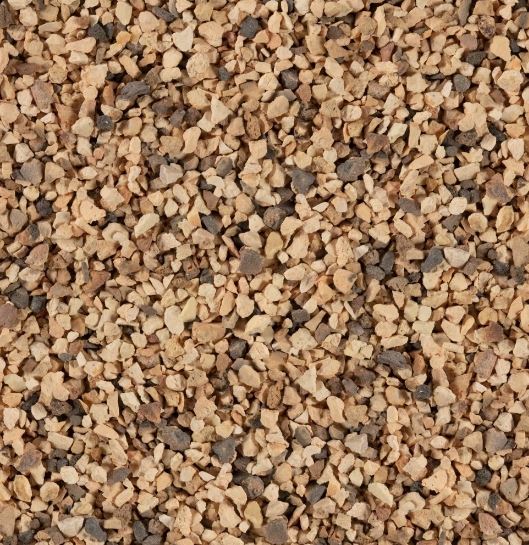
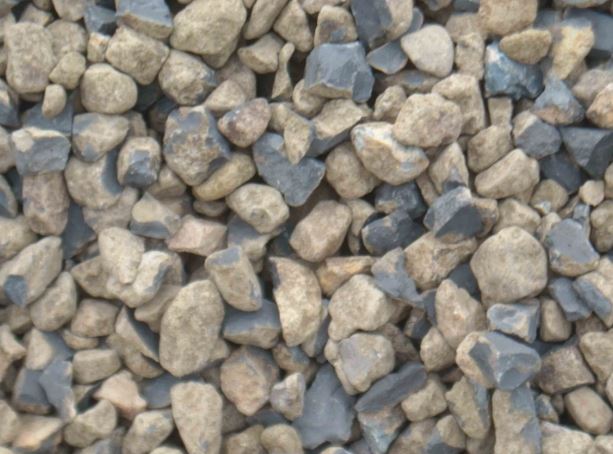
Now, you might be wondering about A Reliable Calcined Bauxite Supplier in China. Calcined bauxite is also used in the refractory industry. Its hardness is generally lower than that of Fused Spinel, usually around 6 - 7 on the Mohs scale. This lower hardness means that it might not be as suitable for applications that require high abrasion resistance.
The hardness of Fused Spinel also affects its processing. When we're manufacturing products using Fused Spinel, the high hardness can be both a blessing and a challenge. On one hand, it means that the final products will be durable. On the other hand, it can make the machining and shaping processes more difficult. We need to use special tools and techniques to work with Fused Spinel.
In addition to the Mohs scale, there are other ways to measure the hardness of Fused Spinel. For example, the Vickers hardness test and the Knoop hardness test. These tests provide more quantitative results and can give us a more accurate understanding of the material's hardness under different conditions.
The hardness of Fused Spinel can also vary depending on its composition and manufacturing process. We, as suppliers, pay close attention to these factors to ensure that we can provide Fused Spinel with consistent and high - quality hardness. By carefully selecting the raw materials and controlling the fusion process, we can produce Fused Spinel with the desired hardness for different applications.
If you're in the market for refractory materials and are considering Fused Spinel, the hardness is just one of the many factors to take into account. You also need to think about thermal conductivity, thermal expansion, and other properties. But the high hardness of Fused Spinel is definitely a major selling point.
Whether you're involved in the steel industry, the cement industry, or any other industry that requires high - performance refractory materials, Fused Spinel could be a great choice for you. Its hardness, along with its other excellent properties, makes it a reliable and cost - effective option.
If you're interested in learning more about Fused Spinel or are thinking about making a purchase, don't hesitate to get in touch. We're here to answer all your questions and help you find the right Fused Spinel products for your specific needs. Let's have a chat and see how we can work together to meet your refractory material requirements.
References
- Handbook of Refractory Materials
- Journal of Materials Science and Engineering