

How does synthetic Pink Corundum compare to natural Pink Corundum?
As a supplier deeply entrenched in the world of Pink Corundum, I often find myself at the crossroads of a fascinating discussion: How does synthetic Pink Corundum compare to its natural counterpart? This exploration is not just about distinguishing between two types of gem - like materials; it's about understanding the nuances that can significantly impact various industries and applications.
Formation and Origin
Natural Pink Corundum is a product of Mother Nature's intricate geological processes. It forms deep within the Earth's crust under extreme heat and pressure conditions over millions of years. Minerals such as chromium and iron play a crucial role in imparting the characteristic pink color. Deposits of natural Pink Corundum are found in specific geographical locations around the world, including Sri Lanka, Madagascar, and Tanzania. The rarity of these deposits and the complex extraction process contribute to the high value of natural Pink Corundum.
On the other hand, synthetic Pink Corundum is created in a laboratory setting. Through advanced technological processes, scientists replicate the natural conditions required for corundum formation. One of the most common methods is the Verneuil process, where aluminum oxide powder is melted and crystallized to form synthetic corundum. By adding specific trace elements during the process, the desired pink color can be achieved. This man - made approach allows for a more controlled production environment and a consistent supply of Pink Corundum.
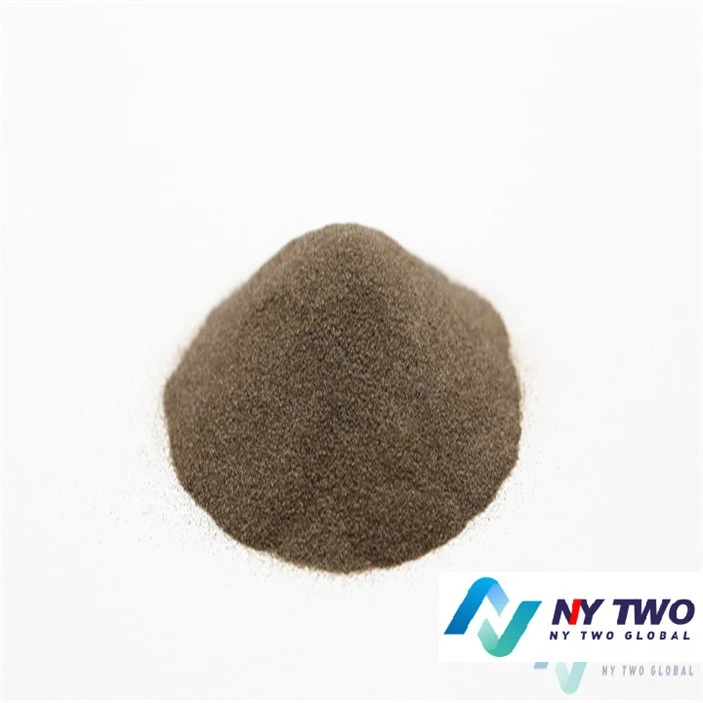
Physical and Chemical Properties
In terms of physical appearance, both natural and synthetic Pink Corundum share similar visual characteristics. They have a hardness of 9 on the Mohs scale, second only to diamonds, which makes them highly resistant to scratching and wear. This property is particularly valuable in applications such as abrasives. For instance, when used in Green Silicon Carbide For Bonded And Coated Abrasives, the hardness of Pink Corundum ensures long - lasting performance.
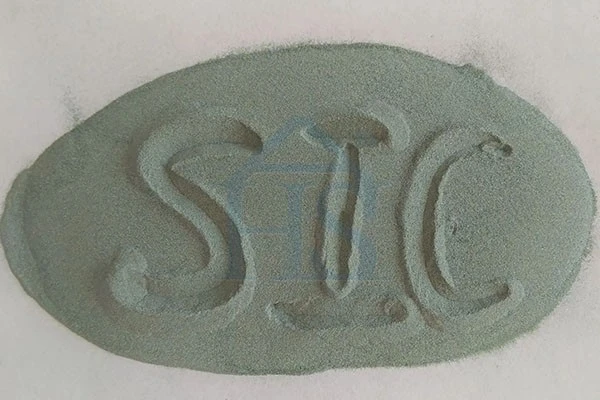
However, there are some subtle differences. Natural Pink Corundum may contain inclusions, which are tiny foreign substances trapped during its formation. These inclusions can sometimes be seen under a microscope and are considered unique identifiers of natural stones. Synthetic Pink Corundum, on the other hand, is typically more inclusion - free, offering a more homogeneous appearance.
Chemically, both types of Pink Corundum are primarily composed of aluminum oxide (Al₂O₃). The difference lies in the trace elements that give them their pink color. In natural Pink Corundum, the color - imparting elements come from the surrounding geological environment. In synthetic Pink Corundum, these elements are carefully added during the manufacturing process, allowing for a more precise control of the color intensity and hue.
Quality and Grading
The quality of both natural and synthetic Pink Corundum is evaluated based on several factors. For natural Pink Corundum, the color is of utmost importance. A rich, saturated pink color with good clarity is highly prized. The size of the stone also plays a role, as larger, high - quality natural Pink Corundum stones are extremely rare. Inclusions can either enhance or detract from the value, depending on their type and visibility.
Synthetic Pink Corundum is graded based on similar criteria, but with some differences. Since it is produced in a controlled environment, the color can be more consistently reproduced. This means that a wider range of color options may be available, allowing customers to choose the exact shade they need. Additionally, the absence of inclusions in synthetic Pink Corundum often results in a higher clarity grade, which can be an advantage in certain applications.
Cost and Availability
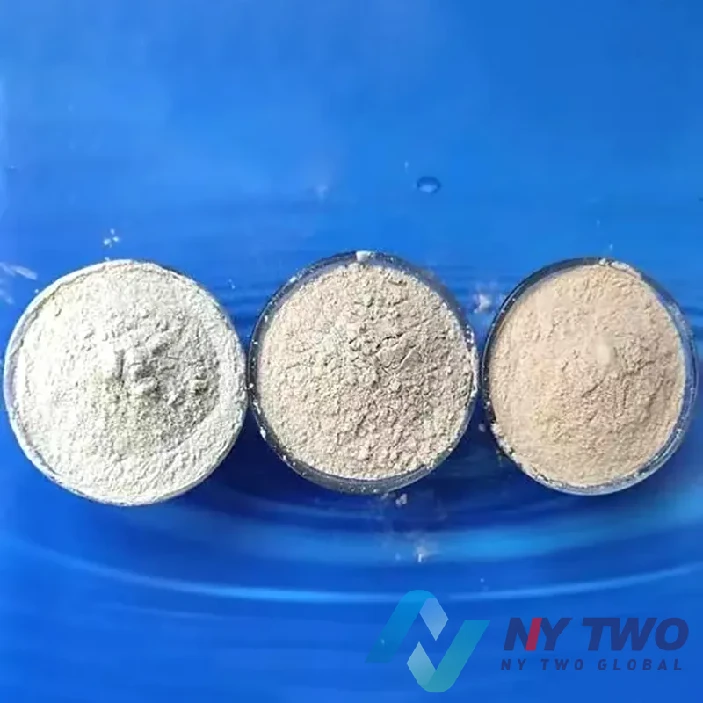
One of the most significant differences between natural and synthetic Pink Corundum is the cost. Natural Pink Corundum is generally much more expensive due to its rarity and the high cost of extraction and mining. The limited supply also means that it may not always be readily available, especially for large - scale industrial applications.
Synthetic Pink Corundum, on the other hand, is more cost - effective. The controlled production process allows for a more stable supply, which can be easily adjusted to meet market demand. This makes synthetic Pink Corundum a popular choice for industries that require a large quantity of Pink Corundum at a reasonable price.
Applications
Both natural and synthetic Pink Corundum find a wide range of applications. Natural Pink Corundum is highly valued in the jewelry industry. Its rarity and natural beauty make it a sought - after gemstone for rings, necklaces, and earrings. In the collector's market, high - quality natural Pink Corundum specimens can command extremely high prices.
Synthetic Pink Corundum, due to its consistent quality and cost - effectiveness, is widely used in industrial applications. It is commonly used as an abrasive in grinding wheels, sandpaper, and polishing compounds. The high hardness of Pink Corundum makes it ideal for these applications, as it can effectively remove material from surfaces. You can find more information about its use in Grit White Fused Alumina Oxide For Sandblasting From China. Synthetic Pink Corundum is also used in the manufacturing of electronic components, such as insulators and semiconductors, due to its excellent electrical and thermal properties.
Ethical and Environmental Considerations
The mining of natural Pink Corundum can have significant environmental and ethical implications. Mining operations can cause habitat destruction, soil erosion, and water pollution. In some cases, there may also be issues related to labor rights and fair trade.
Synthetic Pink Corundum, on the other hand, has a much lower environmental impact. The production process is more controlled, and there is no need for large - scale mining operations. This makes synthetic Pink Corundum a more environmentally friendly option for many consumers and industries.
Conclusion
In conclusion, both natural and synthetic Pink Corundum have their own unique advantages and disadvantages. Natural Pink Corundum offers the allure of rarity and natural beauty, making it a top choice for the jewelry and collector's market. However, its high cost and limited availability can be a deterrent for some applications.
Synthetic Pink Corundum, with its consistent quality, cost - effectiveness, and lower environmental impact, is a popular choice for industrial applications. It provides a reliable alternative to natural Pink Corundum, especially in industries where large quantities are required.
Whether you are in the jewelry business, an industrial manufacturer, or simply interested in learning more about Pink Corundum, understanding the differences between natural and synthetic Pink Corundum is crucial. As a Pink Corundum supplier, I am well - equipped to provide you with the best solution for your specific needs. If you are interested in purchasing Pink Corundum, either natural or synthetic, I invite you to contact me for a detailed discussion and to explore the options available. You can also view Images Of Artificial Corundum Brown Fepa BFA to get a better idea of the products we offer.
References
- "Gemstones of the World" by Walter Schumann
- "Industrial Minerals and Rocks" by Society for Mining, Metallurgy, and Exploration
- Journal of Gemmology articles on corundum formation and properties