

What is the refractoriness of White Fused Alumina?
Hey there! As a supplier of White Fused Alumina, I often get asked about its refractoriness. So, let's dive right into what that means and why it matters.
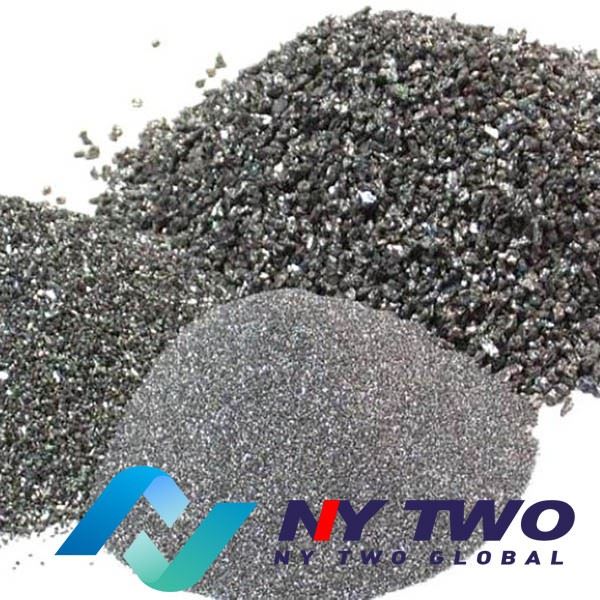
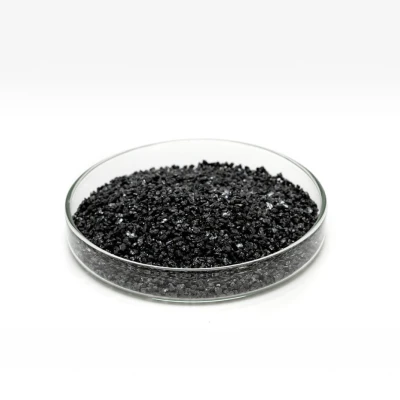
First off, refractoriness is all about how well a material can handle high temperatures without melting, deforming, or losing its essential properties. For White Fused Alumina, this is a super important characteristic because it's used in a bunch of high - heat applications.
White Fused Alumina is made by melting high - purity alumina powder in an electric arc furnace at extremely high temperatures, usually around 2050°C. This intense heat treatment gives it some top - notch properties, especially when it comes to refractoriness.
One of the main reasons White Fused Alumina has excellent refractoriness is its high alumina content. It typically contains over 99% alumina (Al₂O₃). Alumina is known for its high melting point, which is around 2072°C. This high melting point of alumina is the backbone of White Fused Alumina's ability to withstand high temperatures.
When we talk about high - heat applications, White Fused Alumina is a star player. It's widely used in the refractory industry, where materials need to resist the heat in furnaces, kilns, and other high - temperature processing equipment. For example, in steelmaking furnaces, the lining made of White Fused Alumina can endure the scorching temperatures of molten steel, which can reach up to 1600°C or even higher. This helps in protecting the furnace structure and ensuring the smooth operation of the steel - making process.
Another area where its refractoriness shines is in the production of ceramic products. In ceramic kilns, White Fused Alumina can be used as a component in the kiln furniture. Kiln furniture supports the ceramic pieces during firing, and it needs to maintain its shape and strength at high firing temperatures. Thanks to its high refractoriness, White Fused Alumina can do this job like a pro, ensuring that the ceramic products are fired evenly and without any distortion.
Now, let's compare White Fused Alumina with some other refractory materials. Take Mullite for example. Mullite is also a well - known refractory material, but its refractoriness is generally lower than that of White Fused Alumina. Mullite has a melting point in the range of 1810 - 1850°C, which is lower than the alumina content in White Fused Alumina. So, in applications where extremely high temperatures are involved, White Fused Alumina is often the better choice.
Black Silicon Carbide is another material used in refractory applications. While it has good thermal conductivity and hardness, its refractoriness is different from White Fused Alumina. Black Silicon Carbide starts to oxidize at high temperatures, which can limit its use in some high - heat environments where long - term stability is crucial. White Fused Alumina, on the other hand, is more stable at high temperatures and doesn't have the same oxidation issues.
The production process of White Fused Alumina also plays a role in its refractoriness. The key steps in the production process of Brown Fused Alumina (similar in some aspects to White Fused Alumina) involve careful control of raw materials and the melting process. For White Fused Alumina, using high - purity alumina as the raw material is essential. Any impurities in the alumina can lower its melting point and reduce the refractoriness of the final product.
During the melting process in the electric arc furnace, the high - energy input ensures that the alumina is fully melted and recrystallized into a dense and uniform structure. This dense structure contributes to the high refractoriness of White Fused Alumina because it makes it more difficult for heat to penetrate and cause damage to the material.
In addition to its high refractoriness, White Fused Alumina also has other properties that make it a great choice for high - heat applications. It has good chemical stability, which means it doesn't react easily with other substances at high temperatures. This is important in environments where the material may come into contact with various chemicals, such as in some chemical processing furnaces.
It also has high hardness and wear resistance. In high - temperature applications where there is mechanical stress, like in some grinding and polishing operations at elevated temperatures, White Fused Alumina can maintain its integrity and perform well without excessive wear.
If you're in an industry that requires high - performance refractory materials, White Fused Alumina could be the answer you're looking for. Whether you're in the steel industry, ceramics, or any other field where high temperatures are a part of the process, our White Fused Alumina can provide the reliability and performance you need.
We understand that every customer has different requirements, and we're more than happy to work with you to find the right grade and specification of White Fused Alumina for your specific application. So, if you're interested in learning more or want to start a procurement discussion, don't hesitate to reach out. We're here to help you get the best refractory solution for your business.
References
- Ceramic and Refractory Materials Handbook
- Steelmaking and Refractory Technology Publications