

What is the role of High Carbon Ferro Manganese in the iron - making process?
High carbon ferro manganese (HCFeMn) is a crucial alloy in the iron - making process, playing multiple vital roles that significantly impact the quality and properties of the final iron and steel products. As a reliable supplier of high carbon ferro manganese, I am eager to delve into the details of its functions and importance in the iron - making industry.
Deoxidation in the Iron - Making Process
One of the primary roles of high carbon ferro manganese in iron - making is deoxidation. During the iron - making process, oxygen is present in the molten iron, which can lead to the formation of oxides such as iron oxide (FeO). These oxides are detrimental to the quality of the final product as they can cause brittleness and reduce the mechanical properties of the iron and steel.
HCFeMn contains a high percentage of manganese, which has a strong affinity for oxygen. When added to the molten iron, manganese reacts with oxygen to form manganese oxide (MnO). The reaction can be represented as follows: 2Mn + O₂ → 2MnO. This deoxidation reaction not only removes oxygen from the molten iron but also helps in purifying the metal. The manganese oxide formed is less dense than the molten iron and can float to the surface, where it can be easily removed as slag. This process ensures that the final iron and steel products have a lower oxygen content, improving their ductility, toughness, and overall quality.
Desulfurization Function
Sulfur is another impurity commonly found in iron ores. It can have a negative impact on the quality of iron and steel, especially in terms of hot shortness. Hot shortness occurs when sulfur combines with iron to form iron sulfide (FeS), which has a low melting point. At high temperatures during the rolling or forging processes, the iron sulfide can melt and cause the metal to crack.
High carbon ferro manganese can help in desulfurization. Manganese reacts with sulfur in the molten iron to form manganese sulfide (MnS). The reaction is as follows: Mn + S → MnS. Manganese sulfide has a higher melting point than iron sulfide and is more stable. It also has a granular structure that is less likely to cause cracking during hot working. By forming manganese sulfide, HCFeMn reduces the amount of sulfur in the form of iron sulfide, thereby improving the hot - working properties of the iron and steel.
Improving the Hardness and Strength of Iron and Steel
Manganese is an important alloying element that can enhance the hardness and strength of iron and steel. When high carbon ferro manganese is added to the molten iron, the manganese atoms dissolve in the iron lattice. This solid - solution strengthening mechanism occurs because the manganese atoms have a different atomic size compared to iron atoms. The presence of manganese atoms in the iron lattice creates lattice distortions, which impede the movement of dislocations. Dislocations are defects in the crystal structure of metals, and their movement is responsible for plastic deformation. By hindering the movement of dislocations, manganese increases the resistance of the metal to deformation, resulting in improved hardness and strength.
In addition to solid - solution strengthening, manganese also promotes the formation of fine - grained microstructures in iron and steel. During the cooling process, manganese can act as a nucleation site for the formation of new grains. A fine - grained microstructure generally leads to better mechanical properties, including higher strength, toughness, and fatigue resistance.
Enhancing the Wear Resistance
Wear resistance is an important property for many iron and steel applications, such as in the manufacturing of machinery parts, rails, and mining equipment. High carbon ferro manganese can contribute to enhancing the wear resistance of iron and steel. The addition of manganese helps in the formation of carbides in the steel. Carbides are hard and wear - resistant particles that can improve the ability of the metal to withstand abrasive wear.
The high carbon content in high carbon ferro manganese also plays a role in wear resistance. Carbon combines with iron and manganese to form hard carbides such as cementite (Fe₃C) and manganese carbides. These carbides are dispersed throughout the steel matrix, providing a hard phase that can resist the abrasive action of other materials.
Applications in Different Types of Iron and Steel Production
High carbon ferro manganese is widely used in the production of various types of iron and steel. In the production of carbon steels, it is used to adjust the manganese content and improve the overall quality of the steel. Carbon steels are used in a wide range of applications, from construction materials to automotive parts.
In the production of alloy steels, high carbon ferro manganese is often combined with other alloying elements such as Alloy Material: Aluminum Alloy to achieve specific properties. Alloy steels are used in high - performance applications, such as in the aerospace and defense industries, where high strength, toughness, and corrosion resistance are required.
It is also used in the production of cast iron. In cast iron, HCFeMn helps in improving the mechanical properties and reducing the formation of defects. Cast iron is commonly used in the manufacturing of pipes, engine blocks, and other components.
Comparison with Other Ferroalloys
While high carbon ferro manganese is a widely used alloy in iron - making, it is sometimes compared with other ferroalloys such as Medium Carbon Ferromanganese. Medium carbon ferromanganese has a lower carbon content compared to high carbon ferro manganese. The choice between the two depends on the specific requirements of the iron - making process and the final product.
Medium carbon ferromanganese is often used when a lower carbon content is desired in the final steel product. It can still provide deoxidation and alloying effects but may be more suitable for applications where carbon content needs to be carefully controlled. High carbon ferro manganese, on the other hand, is preferred when higher carbon content is acceptable or even beneficial, such as in applications where high hardness and wear resistance are required.
Our Product Advantages as a Supplier
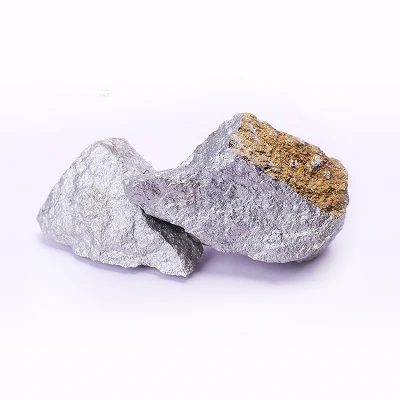
As a supplier of high carbon ferro manganese, we take pride in offering high - quality products. Our HCFeMn is produced using advanced manufacturing processes that ensure consistent chemical composition and high purity. We source our raw materials from reliable suppliers and conduct strict quality control measures at every stage of production.
Our product has a well - controlled carbon and manganese content, which can be customized according to the specific requirements of our customers. Whether you are producing carbon steels, alloy steels, or cast iron, our high carbon ferro manganese can meet your needs and help you produce high - quality iron and steel products.
We also provide excellent customer service. Our team of experts is available to provide technical support and advice on the use of high carbon ferro manganese in your iron - making process. We can help you optimize the dosage and application of our product to achieve the best results.
Related Products in Our Portfolio
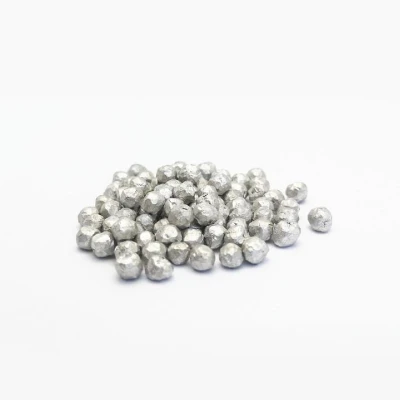
In addition to high carbon ferro manganese, we also offer other related products such as Magnesium Chip (Mg, Purity: 99.9%, Size : 2.5 Mm). Magnesium chips can be used in various alloying processes and have their own unique properties and applications. Our magnesium chips are of high purity and can be a valuable addition to your alloying needs.
Contact Us for Procurement
If you are in the iron - making industry and are looking for a reliable supplier of high carbon ferro manganese, we would be delighted to hear from you. Our high - quality products and excellent customer service can help you improve the quality and efficiency of your iron - making process. Whether you have a small - scale production or a large - scale industrial operation, we can provide you with the right quantity and quality of high carbon ferro manganese.
Feel free to reach out to us to discuss your procurement requirements. We are committed to building long - term partnerships with our customers and providing them with the best possible products and services.
References
- "The Making, Shaping and Treating of Steel", United States Steel Corporation
- "Iron and Steel: A Global Industry", World Steel Association
- "Alloying Elements in Steel", ASM International