

What is the strength of Fused Magnesia at high temperatures?
Fused magnesia, a key refractory material, is widely used in various high - temperature industrial applications. As a reliable fused magnesia supplier, I've witnessed its remarkable performance in high - temperature environments time and time again. In this blog, we'll explore the strength of fused magnesia at high temperatures, delving into the scientific principles and real - world applications.
Chemical and Physical Properties of Fused Magnesia
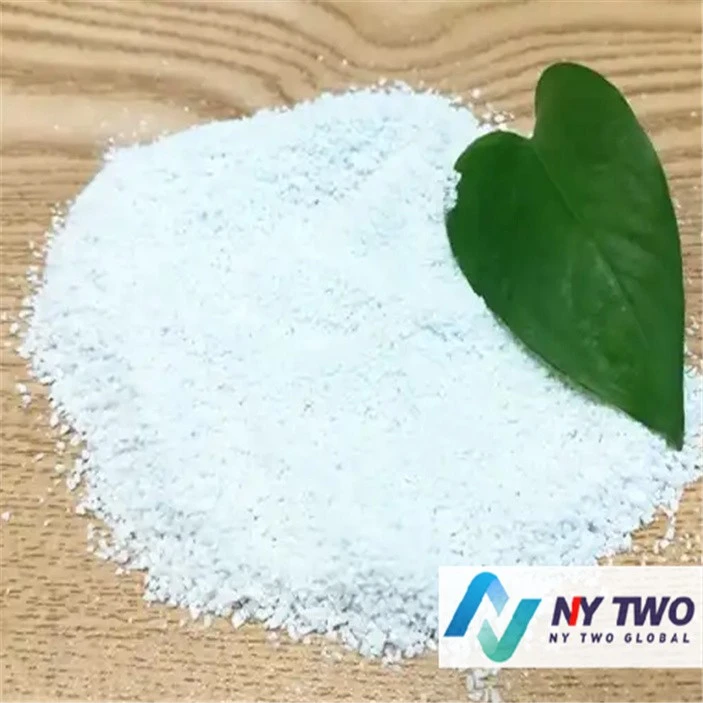
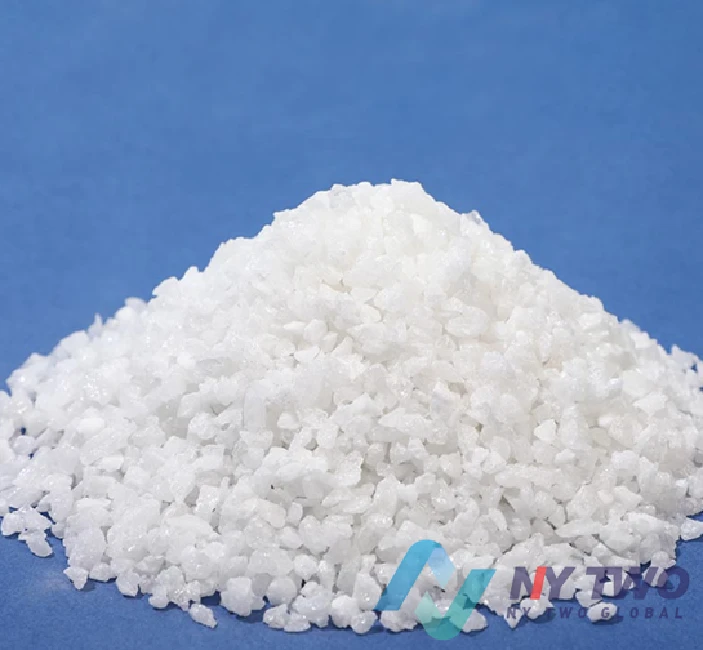
Fused magnesia is produced by melting high - purity magnesite in an electric arc furnace at extremely high temperatures. The resulting product has a high melting point, typically around 2800°C. This high melting point is the first indication of its excellent high - temperature strength. Chemically, it is mainly composed of magnesium oxide (MgO), with a high degree of purity. The purity of fused magnesia can reach over 90%, and in some high - grade products, it can be as high as 98% or more.
The crystal structure of fused magnesia is cubic, which gives it a stable and dense lattice. This dense structure is crucial for its strength at high temperatures. At the atomic level, the strong ionic bonds between magnesium and oxygen atoms contribute to its high - temperature stability. These bonds can withstand the thermal energy at high temperatures without breaking easily, which is the fundamental reason for the material's high - temperature strength.
Mechanisms of High - Temperature Strength
Resistance to Thermal Stress
One of the main challenges in high - temperature applications is thermal stress. When a material is heated or cooled rapidly, different parts of it expand or contract at different rates, which can lead to internal stress and eventually cause cracking or failure. Fused magnesia has a relatively low coefficient of thermal expansion. This means that when it is exposed to high temperatures, it expands less compared to other materials. As a result, the internal stress generated during heating and cooling cycles is reduced, allowing it to maintain its structural integrity.
For example, in steelmaking furnaces, the temperature can fluctuate significantly during the melting and refining processes. Fused magnesia refractories lining the furnace can endure these temperature changes without being damaged easily due to their low thermal expansion property.
Chemical Inertness
At high temperatures, many materials react with the surrounding environment, such as gases, molten metals, or slag. These chemical reactions can weaken the material and reduce its strength. Fused magnesia is highly chemically inert. It has a low reactivity with most molten metals and slags commonly encountered in industrial processes.
In the non - ferrous metal smelting industry, for instance, when dealing with molten copper or aluminum, fused magnesia refractories can resist the corrosive action of these molten metals. The chemical stability of fused magnesia ensures that its strength is not compromised by chemical reactions at high temperatures.
Sintering and Grain Growth
During high - temperature service, sintering and grain growth occur in fused magnesia. Sintering is the process by which the particles of the material bond together, and grain growth is the increase in the size of the crystal grains. In fused magnesia, proper sintering and controlled grain growth can enhance its strength.
When the material is heated to high temperatures, the small particles start to sinter, forming a more compact and continuous structure. The growth of grains also helps to reduce the number of grain boundaries, which are potential weak points in the material. A well - sintered fused magnesia with appropriate grain size has better mechanical strength at high temperatures.
Applications Based on High - Temperature Strength
Steel Industry
The steel industry is one of the largest consumers of fused magnesia. In basic oxygen furnaces (BOFs) and electric arc furnaces (EAFs), fused magnesia refractories are used to line the furnace walls and bottoms. These refractories need to withstand the high temperatures of molten steel, which can reach up to 1600°C or even higher. The high - temperature strength of fused magnesia allows it to resist the mechanical impact of the molten steel, the thermal stress caused by temperature fluctuations, and the chemical corrosion of slag.
In ladles, which are used to transport and hold molten steel, fused magnesia - based refractories are also widely used. The ability of fused magnesia to maintain its strength at high temperatures ensures the safe and efficient operation of ladles during the steelmaking process.
Cement Industry
In cement kilns, the temperature can reach up to 1450°C. Fused magnesia refractories are used in the burning zone of the kiln. The high - temperature strength of fused magnesia enables it to resist the mechanical abrasion caused by the rotation of the kiln and the chemical attack of the cement raw materials and clinker. It also helps to maintain the shape and integrity of the kiln lining, reducing the frequency of repairs and replacements.
Glass Industry
In glass melting furnaces, fused magnesia is used as a refractory material. The high - temperature strength of fused magnesia is essential to withstand the high temperatures required for glass melting, which can be around 1500°C. It can also resist the corrosive action of the molten glass and the thermal stress during the heating and cooling cycles of the furnace.
Comparison with Other Refractory Materials
Compared with other refractory materials such as Fused Spinel and Tabular Alumina T60/t64, fused magnesia has its unique advantages in terms of high - temperature strength.
Fused spinel has good thermal shock resistance and chemical stability, but its melting point is relatively lower than that of fused magnesia. In applications where extremely high temperatures are involved, fused magnesia is a better choice due to its higher melting point and better high - temperature strength.
Tabular alumina T60/t64 has high hardness and good abrasion resistance. However, in terms of chemical inertness to some molten metals and slags, fused magnesia is superior. In environments where chemical corrosion is a major concern at high temperatures, fused magnesia can provide better performance.
Conclusion
In conclusion, the strength of fused magnesia at high temperatures is a result of its unique chemical and physical properties, including high melting point, low thermal expansion, chemical inertness, and proper sintering and grain growth. These properties make it an indispensable material in various high - temperature industrial applications, especially in the steel, cement, and glass industries.
As a fused magnesia supplier, I understand the importance of providing high - quality products to meet the demanding requirements of these industries. If you are in need of fused magnesia for your high - temperature applications, I encourage you to contact me for a detailed discussion about your specific needs and how our fused magnesia products can meet them. We can have in - depth negotiations on product specifications, prices, and delivery terms to ensure a mutually beneficial cooperation.
References
- Schneider, H., Schwotzer, W., & Telle, R. (2008). Refractories Handbook. Wiley - VCH.
- Ray, S. K. (2010). Refractory Materials: Properties, Testing, and Selection. CRC Press.
- Reed, J. S. (1995). Principles of Ceramic Processing. Wiley.