

What is the effect of the particle size of raw bauxite on the operation of a rotary kiln?
The particle size of raw bauxite plays a crucial role in the operation of a rotary kiln. As a reputable Rotary Kiln Bauxite supplier, we have witnessed firsthand the significant impact that the particle size of bauxite can have on the efficiency, productivity, and overall performance of rotary kilns. In this blog post, we will delve into the various effects of bauxite particle size on rotary kiln operation, drawing on our extensive experience and industry knowledge.
Impact on Heat Transfer
One of the primary ways in which the particle size of raw bauxite affects rotary kiln operation is through its influence on heat transfer. In a rotary kiln, heat is transferred from the hot gases to the bauxite particles through conduction, convection, and radiation. The efficiency of this heat transfer process is highly dependent on the surface area of the bauxite particles.
Smaller bauxite particles have a larger surface - to - volume ratio compared to larger particles. This means that for a given mass of bauxite, smaller particles expose more surface area to the hot gases in the kiln. As a result, heat transfer occurs more rapidly and efficiently. With faster heat transfer, the bauxite can reach the desired reaction temperature more quickly, reducing the residence time required in the kiln. This can lead to increased throughput and energy savings.
On the other hand, larger bauxite particles have a smaller surface - to - volume ratio. Heat transfer to the interior of these particles is slower, as the heat has to penetrate a greater distance. This can result in uneven heating within the kiln, with the outer layers of the large particles reaching the reaction temperature while the inner core remains relatively cool. Uneven heating can lead to incomplete reactions, lower product quality, and potentially higher energy consumption as more heat is needed to fully heat the large particles.
Influence on Material Flow
The particle size of raw bauxite also has a significant impact on the material flow within the rotary kiln. The movement of bauxite through the kiln is a complex process that is affected by factors such as the slope of the kiln, the rotational speed, and the physical properties of the bauxite particles.
Smaller bauxite particles tend to flow more freely within the kiln. They can easily move through the spaces between other particles and are less likely to form agglomerates or blockages. This smooth flow helps to maintain a consistent feed rate and distribution of the bauxite along the length of the kiln. As a result, the reactions can occur more uniformly, leading to better product quality and more stable kiln operation.
In contrast, larger bauxite particles may have a tendency to form clusters or agglomerates. These agglomerates can impede the flow of the material through the kiln, causing uneven distribution of the bauxite and potentially leading to blockages. Blockages can disrupt the normal operation of the kiln, requiring shutdowns for cleaning and maintenance, which can result in significant production losses.
Effect on Reaction Kinetics
The particle size of raw bauxite can also influence the reaction kinetics within the rotary kiln. In most cases, the processing of bauxite in a rotary kiln involves chemical reactions such as calcination or sintering. These reactions are influenced by factors such as temperature, pressure, and the surface area of the reactants.
As mentioned earlier, smaller bauxite particles have a larger surface area, which provides more active sites for chemical reactions to occur. This increased surface area allows for a higher reaction rate, as more reactant molecules can come into contact with each other at the same time. As a result, the reactions can proceed more quickly and completely, leading to higher - quality products.
Larger bauxite particles, with their smaller surface area, have fewer active sites for reactions. This can slow down the reaction rate and may result in incomplete reactions. Incomplete reactions can lead to the presence of unreacted bauxite in the final product, which can affect its properties and performance.
Product Quality
The particle size of raw bauxite has a direct impact on the quality of the final product. As we have seen, smaller particles lead to more efficient heat transfer, better material flow, and faster reaction kinetics. All of these factors contribute to a more uniform and complete reaction within the kiln, resulting in a higher - quality product.
For example, in the production of calcined bauxite, a more uniform reaction due to smaller particle size can lead to a product with a more consistent chemical composition and physical properties. This can make the calcined bauxite more suitable for use in various industrial applications, such as refractory materials, abrasives, and ceramics.
Larger particle sizes, on the other hand, can result in products with inconsistent quality. Uneven heating and incomplete reactions can lead to variations in the chemical composition and physical properties of the final product. This can make the product less desirable for industrial use and may require additional processing steps to improve its quality.
Energy Consumption
Energy consumption is a major concern in rotary kiln operation. The particle size of raw bauxite can have a significant impact on the energy requirements of the kiln.
As smaller particles allow for more efficient heat transfer, less energy is needed to heat the bauxite to the desired reaction temperature. The faster heat transfer also reduces the residence time of the bauxite in the kiln, which means less energy is consumed over the course of the process. Additionally, the more complete reactions associated with smaller particles can reduce the need for additional heating to drive the reactions to completion.
In contrast, larger particles require more energy to heat due to their slower heat transfer rate. The longer residence time needed to ensure complete reactions also increases the energy consumption. Moreover, the uneven heating caused by large particles may require additional energy input to compensate for the cooler inner cores of the particles.
Considerations for Bauxite Selection
When selecting raw bauxite for use in a rotary kiln, it is important to consider the particle size. A balance needs to be struck between the benefits of smaller particle sizes and the practicalities of handling and processing.
In some cases, extremely small particles may be difficult to handle due to their high dustiness. Dust can pose health and safety risks to workers and can also cause problems with dust collection systems. Additionally, very fine particles may be more prone to being carried away by the hot gases in the kiln, leading to product losses.
On the other hand, using only large particles can lead to the problems discussed above, such as uneven heating, poor material flow, and incomplete reactions. Therefore, a suitable particle size distribution should be selected based on the specific requirements of the rotary kiln operation, the desired product quality, and the available processing equipment.
Our Products and Their Suitability
As a Rotary Kiln Bauxite supplier, we offer a range of bauxite products with different particle size distributions to meet the diverse needs of our customers. Our products are carefully processed to ensure a consistent particle size and high quality.
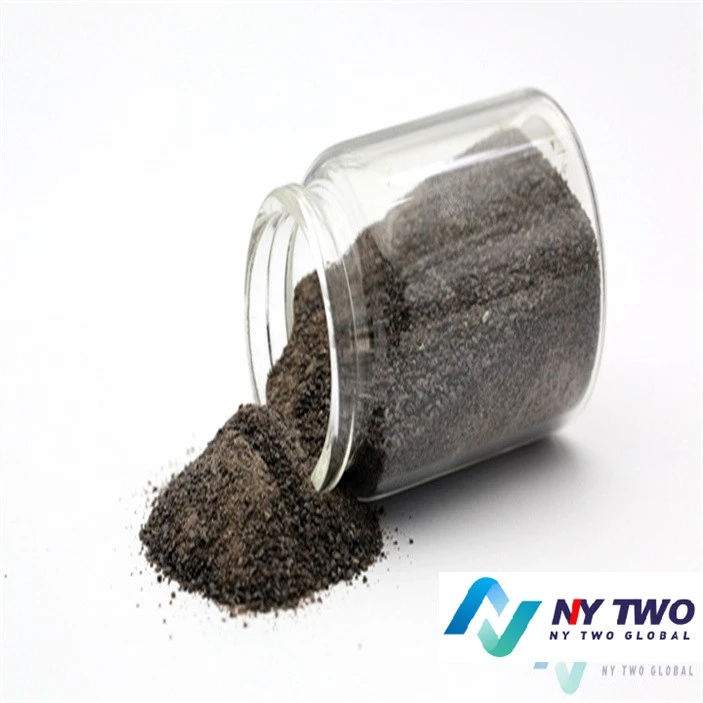
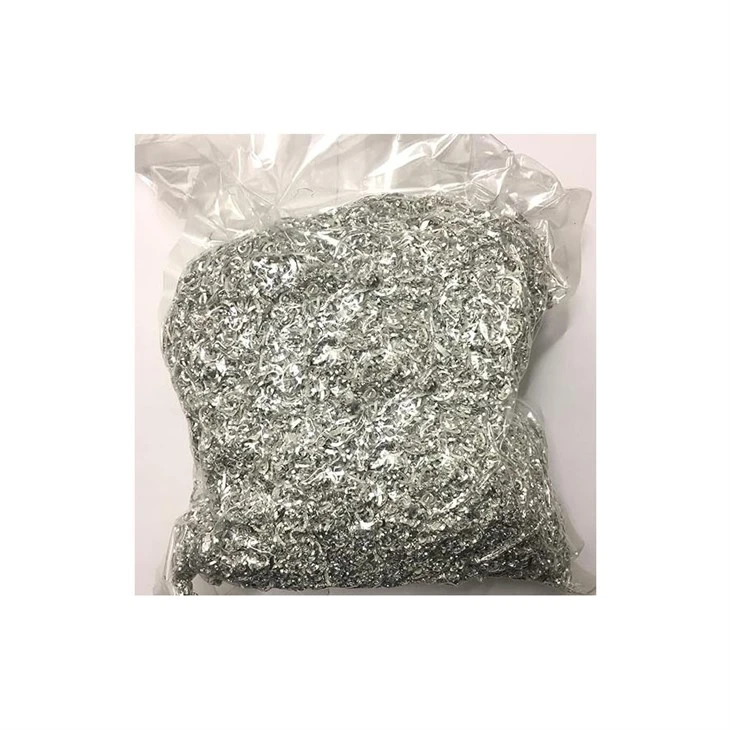
We also provide other related products such as Product Specification Grade Industrial Grade Usage/Application Industrial Packaging Type Bag Packaging Size 25kg Chemical Formula Mg+2 CAS Number 7439 - 95 - 4 Purity 99% Molar Mass 24.305 G/mol Formula Mg Product Description Matching Up With The Ever Increasing Requirements Of The Customers, We Are Engaged in Providing Magnesium Turnings., Fused Zirconia, and Brown Corundum. These products can be used in conjunction with our bauxite products in various industrial applications, especially in the refractory industry.
Contact for Procurement
If you are interested in our Rotary Kiln Bauxite products or any of our other offerings, we encourage you to contact us for procurement discussions. We have a team of experts who can provide you with detailed information about our products, help you select the most suitable particle size for your rotary kiln operation, and offer competitive pricing. Our goal is to work closely with you to meet your industrial needs and ensure the success of your projects.
References
- Smith, J. (2018). "The Impact of Particle Size on Industrial Kiln Processes". Journal of Industrial Materials, 25(3), 123 - 135.
- Johnson, R. (2019). "Optimizing Bauxite Processing in Rotary Kilns". International Journal of Refractory Materials, 32(2), 87 - 99.
- Williams, S. (2020). "Heat Transfer and Reaction Kinetics in Rotary Kilns". Chemical Engineering Research, 45(4), 201 - 215.