

Can abrasives be recycled?
As a supplier of abrasives, I often get asked about the recyclability of our products. Abrasives are essential materials used in various industries for grinding, polishing, and cutting. With the growing emphasis on sustainability and environmental responsibility, the question of whether abrasives can be recycled is becoming increasingly important. In this blog post, I'll explore the possibilities of abrasive recycling, the challenges involved, and the benefits it can bring.
Types of Abrasives and Their Recyclability
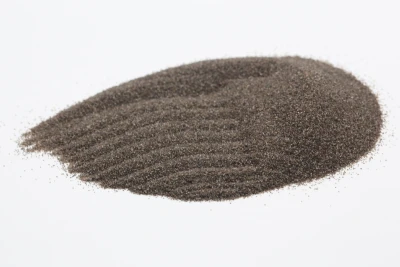
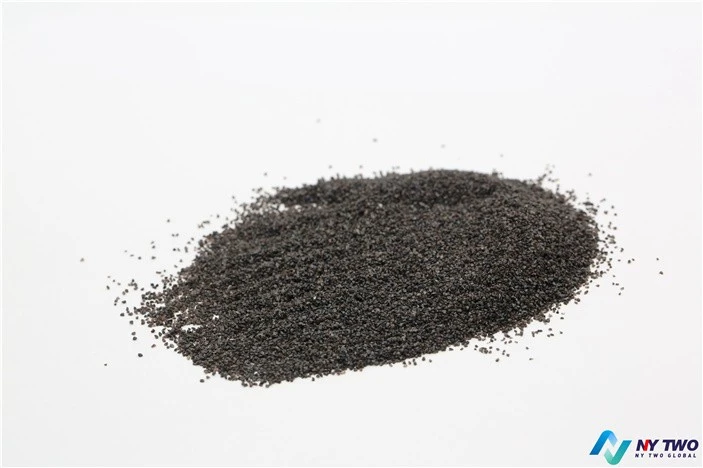
There are several types of abrasives available in the market, each with its own properties and applications. Some of the most common types include fused alumina abrasives, such as Black Fused Alumina and Brown Fused Alumina For Abrasives, as well as Brown Aluminum.
Fused Alumina Abrasives
Fused alumina abrasives are made by melting and fusing aluminum oxide at high temperatures. These abrasives are known for their hardness, durability, and high cutting efficiency. The good news is that fused alumina abrasives can be recycled to a certain extent.
The recycling process typically involves collecting used abrasives, removing any contaminants, and then reprocessing them into new abrasive products. This can be done through a variety of methods, such as crushing, screening, and magnetic separation. The recycled abrasives can then be used in a range of applications, including grinding wheels, sandpaper, and abrasive blasting media.
Other Abrasives
In addition to fused alumina abrasives, there are other types of abrasives, such as silicon carbide, diamond, and ceramic abrasives. The recyclability of these abrasives varies depending on their composition and the specific recycling technologies available.
Silicon carbide abrasives can be recycled through a similar process to fused alumina abrasives. However, the recycling process for silicon carbide is more complex and requires specialized equipment. Diamond abrasives, on the other hand, are more difficult to recycle due to their high hardness and the fact that they are often bonded to a substrate. Ceramic abrasives can also be recycled, but the recycling process may involve more steps and higher costs.
Challenges in Abrasive Recycling
While abrasive recycling is possible, there are several challenges that need to be addressed. One of the main challenges is the collection and sorting of used abrasives. Abrasives are often used in a variety of industries and applications, which means that they can be scattered and difficult to collect. In addition, used abrasives may be contaminated with other materials, such as metals, plastics, and chemicals, which can make the recycling process more complicated.
Another challenge is the quality control of recycled abrasives. The properties of recycled abrasives may vary depending on the source of the used abrasives and the recycling process. This can make it difficult to ensure that the recycled abrasives meet the same quality standards as new abrasives. To address this issue, it is important to have a rigorous quality control system in place during the recycling process.
Cost is also a significant challenge in abrasive recycling. The recycling process requires specialized equipment and facilities, as well as trained personnel. In addition, the cost of collecting, transporting, and processing used abrasives can be high. As a result, the cost of recycled abrasives may be higher than that of new abrasives, which can make them less attractive to some customers.
Benefits of Abrasive Recycling
Despite the challenges, there are several benefits to abrasive recycling. One of the main benefits is the environmental impact. Abrasive recycling helps to reduce the amount of waste that is sent to landfills, which can help to conserve natural resources and reduce pollution. In addition, recycling abrasives can help to reduce the energy consumption and greenhouse gas emissions associated with the production of new abrasives.
Another benefit is the cost savings. While the initial cost of recycled abrasives may be higher, the long-term cost savings can be significant. Recycled abrasives can often be used in the same applications as new abrasives, which means that customers can save money on their abrasive purchases. In addition, the use of recycled abrasives can help to reduce the overall cost of production by improving the efficiency of the grinding and polishing processes.
Finally, abrasive recycling can help to improve the reputation of companies. In today's environmentally conscious society, customers are increasingly looking for companies that are committed to sustainability and environmental responsibility. By using recycled abrasives, companies can demonstrate their commitment to these values and enhance their reputation in the market.
How We Can Help
As a supplier of abrasives, we are committed to promoting sustainable practices and reducing the environmental impact of our products. We offer a range of recycled abrasives, including Black Fused Alumina, Brown Fused Alumina For Abrasives, and Brown Aluminum, which are made from high-quality recycled materials.
We also work closely with our customers to help them understand the benefits of abrasive recycling and to develop customized solutions that meet their specific needs. Our team of experts can provide technical support and advice on the selection and use of recycled abrasives, as well as on the implementation of a recycling program.
If you are interested in learning more about our recycled abrasives or would like to discuss your abrasive needs, please contact us. We would be happy to help you find the right solution for your business.
Conclusion
In conclusion, abrasives can be recycled, but there are several challenges that need to be addressed. The collection and sorting of used abrasives, quality control, and cost are some of the main challenges that need to be overcome. However, the benefits of abrasive recycling, including the environmental impact, cost savings, and improved reputation, make it a worthwhile investment.
As a supplier of abrasives, we are committed to promoting sustainable practices and providing our customers with high-quality recycled abrasives. We believe that by working together, we can make a positive impact on the environment and create a more sustainable future.
References
- ASTM International. (2023). Standard Terminology Relating to Abrasives. ASTM E1101 - 19.
- European Abrasives Federation. (2023). Sustainability in the Abrasives Industry.
- International Organization for Standardization. (2023). ISO 6344 - 1:2013 Coated abrasives - Grain size analysis - Part 1: Grain size distribution test.