

Can brown aluminum oxide for refractory be used in the ceramic industry's refractories?
Hey there! As a supplier of brown aluminum oxide for refractory, I often get asked whether this material can be used in the ceramic industry's refractories. Well, let's dig into this topic and find out.
First off, let's talk a bit about brown aluminum oxide for refractory. It's a super - popular material in the refractory field. Brown aluminum oxide is made by smelting bauxite in an electric arc furnace at high temperatures. This process gives it some pretty amazing properties. It has high hardness, good wear resistance, and excellent thermal stability. These features make it a go - to choice for many refractory applications.
Now, let's turn our attention to the ceramic industry's refractories. In the ceramic industry, refractories are used in various processes, like firing kilns. The refractories need to withstand extremely high temperatures, chemical corrosion, and mechanical stress. For example, in a ceramic kiln, the temperature can reach up to 1000 - 1500 degrees Celsius, and the refractories need to maintain their shape and performance under such harsh conditions.
So, can brown aluminum oxide for refractory fit the bill in the ceramic industry? The answer is a big yes!
One of the main reasons is its high melting point. Brown aluminum oxide has a melting point of around 2050 degrees Celsius. This means that in the ceramic kilns, where the operating temperatures are usually much lower than this, the brown aluminum oxide - based refractories won't melt or deform easily. They can provide stable support for the ceramic firing process.
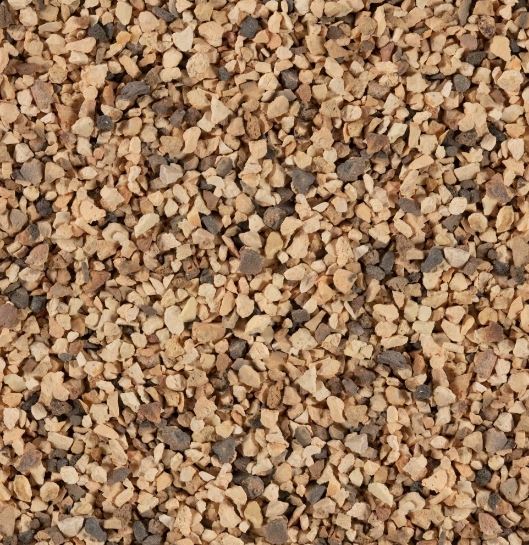
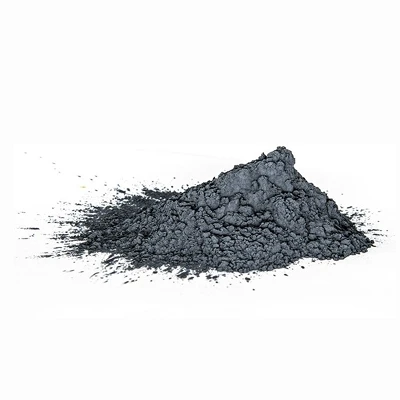
Another advantage is its chemical stability. In the ceramic industry, there are often various chemical reactions happening during the firing process. Some of the raw materials in ceramics might release acidic or alkaline substances. Brown aluminum oxide is quite resistant to chemical corrosion. It won't react easily with these substances, which helps to maintain the integrity of the refractories and prevent contamination of the ceramic products.
When it comes to mechanical properties, brown aluminum oxide has good hardness and strength. In a ceramic kiln, the refractories are subject to mechanical stress from the weight of the ceramic products being fired and the movement of the kiln itself. The high hardness of brown aluminum oxide ensures that the refractories can withstand this stress without being easily damaged.
Let's also consider cost - effectiveness. Compared to some other high - performance refractory materials, brown aluminum oxide is relatively affordable. This is a huge plus for ceramic manufacturers, as they can get good - quality refractories at a reasonable price. By using brown aluminum oxide - based refractories, ceramic manufacturers can reduce their production costs without sacrificing the quality of their products.
Now, let's take a look at some other related refractory materials. For instance, The Unique Properties Of BLACK SILICON CARBIDE SIC RP 7/12 is also used in the refractory industry. Black silicon carbide has excellent thermal conductivity and high - temperature strength. It can be used in combination with brown aluminum oxide to enhance the performance of refractories in the ceramic industry.
Dead Burned Magnesia is another important refractory material. It has high refractoriness and good resistance to basic slags. In some ceramic processes where basic environments are involved, dead burned magnesia can work together with brown aluminum oxide to form more effective refractories.
Silicon Carbide is also widely used in refractories. It offers high thermal shock resistance and good oxidation resistance. When used in combination with brown aluminum oxide, it can improve the overall performance of the refractories in the ceramic industry.
In practice, many ceramic manufacturers have already started using brown aluminum oxide - based refractories. They have found that these refractories can significantly improve the efficiency and quality of their production. For example, the longer service life of brown aluminum oxide - based refractories means less frequent replacement, which reduces downtime in the ceramic production line.
If you're in the ceramic industry and looking for high - quality refractories, I highly recommend considering brown aluminum oxide. As a supplier, I can offer you different grades and specifications of brown aluminum oxide for refractory to meet your specific needs. Whether you need it for small - scale ceramic workshops or large - scale industrial production, I've got you covered.
If you're interested in learning more or want to start a procurement negotiation, don't hesitate to reach out. I'm here to provide you with all the information you need and work with you to find the best refractory solutions for your ceramic business.
References
- Handbook of Refractory Materials
- Journal of Ceramic Engineering and Science
- Research Papers on Refractory Applications in the Ceramic Industry