

Can Brown Fused be used in the printing industry?
Hey there! As a supplier of Brown Fused, I've been getting a lot of questions lately about whether it can be used in the printing industry. So, I thought I'd sit down and write this blog to share my thoughts and insights on the matter.
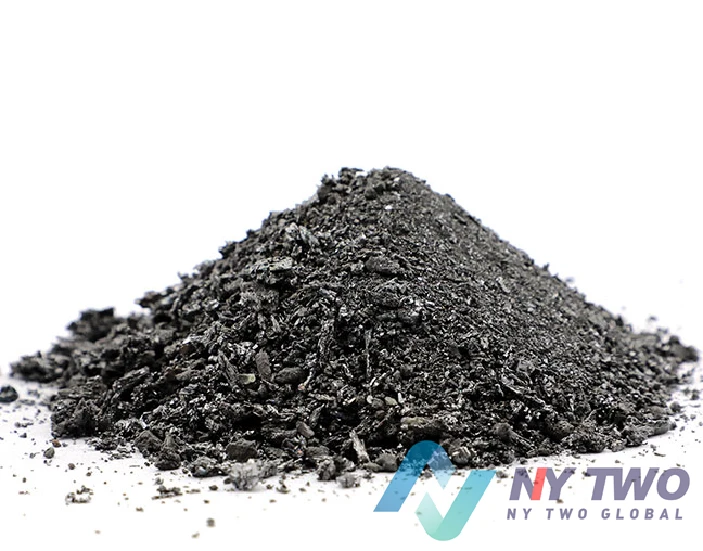
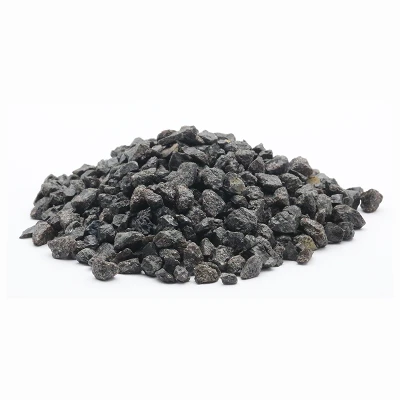
First off, let's talk a bit about what Brown Fused is. Brown Fused Alumina, also known as Brown Fused, is a popular abrasive material. You can check out more info about it on Brown Fused Alumina Wikipedia. It's made by fusing bauxite, anthracite, and iron filings in an electric arc furnace at high temperatures. This process results in a tough, sharp, and durable material that's widely used in various industries for cutting, grinding, and polishing.
Now, when it comes to the printing industry, it's a highly specialized field with its own set of requirements. Printing involves transferring ink onto a substrate, whether it's paper, cardboard, plastic, or something else. The key factors in printing are image quality, color accuracy, and the ability to reproduce fine details consistently.
So, can Brown Fused find a place in this industry? Well, it might seem a bit odd at first glance, but there are actually a few potential applications.
One area where Brown Fused could be useful is in the manufacturing of printing plates. Printing plates are used in offset printing, flexography, and other printing methods to transfer the image onto the substrate. These plates need to be precise and have a smooth surface to ensure high - quality prints. Brown Fused can be used in the finishing process of these plates. Its abrasive properties can help in achieving the right surface finish, removing any rough edges or imperfections. For example, when a printing plate is made, there might be some burrs or uneven areas. Using Brown Fused as an abrasive in a controlled process can smooth these out, leading to better ink transfer and a sharper image on the final print.
Another possible use is in the maintenance of printing equipment. Printing presses are complex machines with many moving parts. Over time, these parts can wear down, leading to issues like misalignment or poor print quality. Brown Fused can be used for grinding and polishing the components of the printing press. For instance, the rollers in a printing press need to have a smooth and even surface for proper ink distribution. By using Brown Fused to grind and polish these rollers, we can ensure that they function optimally, resulting in more consistent prints.
But it's not all smooth sailing. There are some challenges when considering using Brown Fused in the printing industry. One of the main concerns is contamination. In printing, even the slightest bit of foreign material can cause problems. If Brown Fused particles get into the ink or onto the substrate, it can lead to defects in the print, such as spots or smudges. So, if we're going to use Brown Fused, we need to have strict quality control measures in place to prevent any contamination.
Another issue is the cost. Brown Fused is an abrasive material, and using it in the printing process might add to the overall cost. Printing companies are always looking for ways to reduce costs while maintaining or improving quality. So, we need to make sure that the benefits of using Brown Fused outweigh the additional expense.
Let's also talk about some related products that might be relevant here. Black Silicon Carbide Grit is another abrasive material. It has different properties compared to Brown Fused. Black Silicon Carbide is harder and more brittle, which means it can be used for different types of grinding and cutting applications. In the context of the printing industry, it might be used in cases where a more aggressive abrasive is needed for certain manufacturing or maintenance tasks.
Also, Low Grinding Heat in The Blashting Process is an important aspect. In the printing industry, heat can cause problems such as warping of the printing plates or substrates. If we're using Brown Fused for grinding or polishing, we need to make sure that the process generates low heat. This can be achieved by using the right techniques and equipment, and understanding the principles of low - grinding heat as described in the linked article.
In conclusion, while Brown Fused isn't a mainstream material in the printing industry right now, there are definitely some potential applications. With proper quality control, cost - benefit analysis, and the right techniques, it could be a valuable addition to the printing process. Whether it's for manufacturing printing plates or maintaining printing equipment, Brown Fused has the potential to improve the quality and efficiency of printing operations.
If you're in the printing industry and are interested in exploring the use of Brown Fused in your operations, I'd love to have a chat with you. We can discuss your specific needs, the potential benefits, and come up with a customized solution. Don't hesitate to reach out and start a conversation about how Brown Fused can work for you.
References
- General knowledge about Brown Fused Alumina and its properties.
- Industry knowledge about the printing industry and its requirements.