

Do I need a license to buy alloy?
When it comes to purchasing alloys, one of the most frequently asked questions is, "Do I need a license to buy alloy?" As a seasoned supplier in the alloy industry, I'm here to shed light on this topic and provide you with comprehensive insights.
Understanding Alloys
Before delving into the licensing aspect, let's first understand what alloys are. Alloys are metallic mixtures composed of two or more elements, where at least one is a metal. These combinations are designed to enhance specific properties such as strength, corrosion resistance, and conductivity compared to pure metals. Common alloys include steel (iron and carbon), brass (copper and zinc), and aluminum alloys.
The Role of Licensing in Alloy Purchases
The need for a license to buy alloys depends on several factors, including the type of alloy, its intended use, and local regulations. In many cases, purchasing common alloys for general industrial or commercial purposes does not require a special license. For instance, buying small quantities of aluminum alloys for DIY projects or manufacturing standard components is usually straightforward and does not trigger any licensing requirements.
However, there are exceptions. Some alloys contain elements that are subject to strict regulations due to their potential military, nuclear, or environmental applications. For example, alloys containing rare earth metals or certain radioactive materials may be tightly controlled. In such cases, buyers may need to obtain specific licenses or permits from relevant government agencies.
Our Range of Alloys
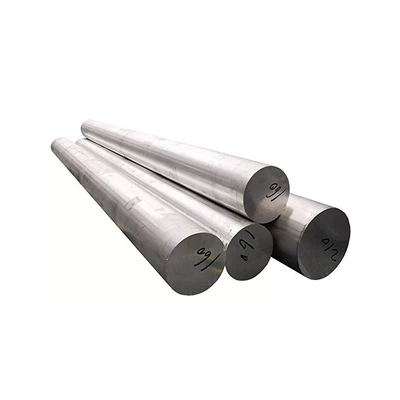
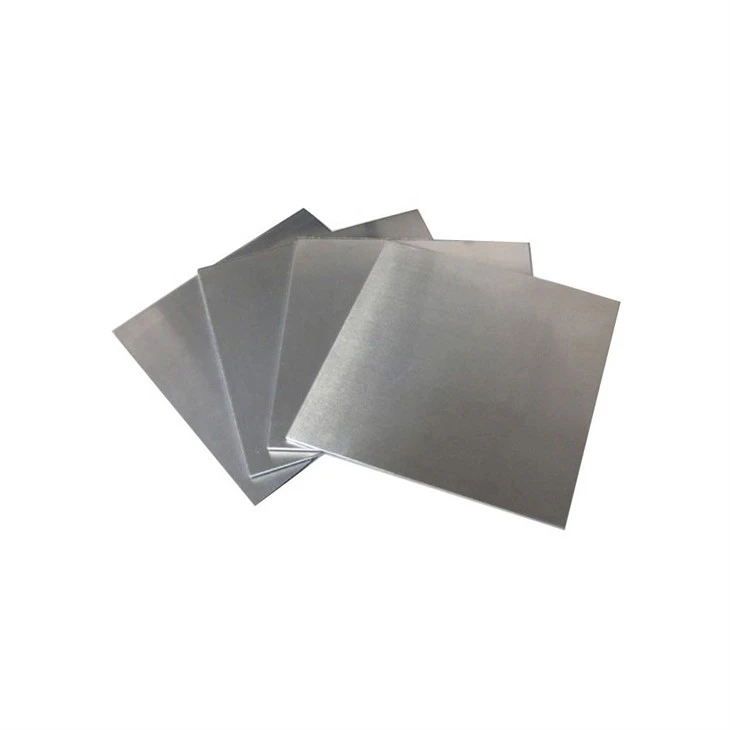
As a leading alloy supplier, we offer a diverse range of high - quality alloys to meet various customer needs. Our product portfolio includes Good Sales Aluminized Magnesium Plate, which is known for its excellent corrosion resistance and lightweight properties. This plate is widely used in the automotive and aerospace industries.
Another popular product is Milling Magnesium Powder. Our milling magnesium powder has a uniform particle size distribution and high purity, making it suitable for applications in pyrotechnics, chemical synthesis, and powder metallurgy.
We also supply Magnesium Chips & Granules. These chips and granules are ideal for use as a reducing agent in metallurgical processes and as an additive in some chemical reactions.
Navigating the Licensing Process
If you're unsure whether you need a license to purchase a particular alloy from us, our customer service team is more than happy to assist you. We can provide detailed information about the alloy's composition, regulatory status, and guide you through the licensing process if necessary.
We understand that dealing with licensing can be a complex and time - consuming task. That's why we strive to simplify the process for our customers. We can help you gather the necessary documentation, fill out the required forms, and liaise with the relevant authorities on your behalf.
Legal and Regulatory Compliance
At our company, we take legal and regulatory compliance very seriously. All our alloys are sourced from reliable suppliers and meet all relevant industry standards and regulations. We ensure that every step of the production and supply chain adheres to strict quality control measures.
When it comes to exporting alloys, we are well - versed in international trade regulations. We can help our customers navigate the complexities of export licenses, customs procedures, and international shipping regulations, ensuring a smooth and hassle - free transaction.
Case Studies
Let's take a look at a few case studies to illustrate the licensing situation in different scenarios.
Case 1: Small - Scale Manufacturer
A small - scale manufacturer in the electronics industry wanted to purchase a small quantity of a copper - alloy for making connectors. Since the alloy was a common type and the quantity was within the normal range for commercial use, no special license was required. The manufacturer was able to place an order with us directly and receive the product without any regulatory hurdles.
Case 2: Research Institution
A research institution planned to conduct experiments on an alloy containing a small amount of a rare earth metal. In this case, due to the nature of the rare earth element, the institution had to obtain a research license from the relevant government department. Our team worked closely with the institution to provide all the necessary technical data and support during the licensing process. Once the license was obtained, the institution could proceed with the purchase.
Industry Trends and Licensing
The alloy industry is constantly evolving, and so are the regulatory requirements. As new applications for alloys emerge, especially in high - tech fields such as renewable energy and advanced electronics, the need for more precise regulation becomes apparent.
In recent years, there has been an increasing focus on environmental protection and resource conservation. This has led to stricter regulations on the extraction, processing, and trading of certain alloys. For example, some countries have imposed restrictions on the export of alloys made from endangered or scarce materials to ensure sustainable use.
Conclusion
In conclusion, the question of whether you need a license to buy alloy is not a straightforward one. It depends on multiple factors such as the type of alloy, its intended use, and local regulations. As a trusted alloy supplier, we are committed to providing our customers with high - quality products and comprehensive support in navigating the licensing process.
If you're interested in purchasing any of our alloys, whether it's the Good Sales Aluminized Magnesium Plate, Milling Magnesium Powder, or Magnesium Chips & Granules, please don't hesitate to contact us. Our team of experts is ready to assist you with your purchase, answer any questions you may have, and guide you through the licensing process if required. Let's start a fruitful business relationship and work together to meet your alloy needs.
References
- "Metals Handbook: Properties and Selection: Nonferrous Alloys and Pure Metals", ASM International.
- "Alloy Design and Performance", Cambridge University Press.
- Local government regulations on alloy trade and use.