

How does Fused Spinel perform in high - temperature environments?
Fused spinel, a remarkable refractory material, has gained significant attention in various high - temperature industrial applications. As a supplier of fused spinel, I am well - versed in its properties and performance in high - temperature environments. In this blog, I will delve into how fused spinel performs under such extreme conditions.
1. Introduction to Fused Spinel
Fused spinel is a synthetic material produced by melting appropriate raw materials in an electric arc furnace at extremely high temperatures. Chemically, it is a compound of magnesium aluminate (MgAl₂O₄), which has a cubic crystal structure. This unique structure endows fused spinel with excellent physical and chemical properties, making it suitable for high - temperature applications.
2. Thermal Stability
One of the most important aspects of how fused spinel performs in high - temperature environments is its thermal stability. Fused spinel has a high melting point, typically around 2135°C. This high melting point allows it to maintain its solid state and structural integrity even in the most extreme high - temperature industrial processes.
In industries such as steelmaking, where temperatures can reach up to 1600°C or higher, fused spinel - based refractories can withstand the intense heat without significant deformation or melting. This thermal stability ensures the long - term operation of furnaces and other high - temperature equipment, reducing the frequency of refractory replacements and thus saving costs for the industry.
3. Chemical Resistance
In high - temperature environments, materials are often exposed to various corrosive substances. Fused spinel exhibits excellent chemical resistance to a wide range of chemicals, including slags, molten metals, and alkaline substances.
In the steelmaking process, slags contain various oxides such as silica, calcium oxide, and iron oxide. Fused spinel can resist the chemical attack of these slags, preventing the penetration and corrosion of the refractory lining. This chemical resistance is crucial for maintaining the integrity of the furnace lining and ensuring the quality of the steel produced.
Similarly, in non - ferrous metal smelting processes, where molten metals such as copper, aluminum, and zinc are involved, fused spinel - based refractories can resist the corrosion of these molten metals, providing a reliable barrier between the metal and the furnace structure.
4. Thermal Shock Resistance
High - temperature environments often involve rapid temperature changes, which can cause thermal shock to materials. Thermal shock occurs when a material experiences a sudden change in temperature, leading to the generation of internal stresses that can cause cracking and spalling.
Fused spinel has good thermal shock resistance due to its relatively low coefficient of thermal expansion. When exposed to rapid temperature changes, the internal stresses generated in fused spinel are relatively small, reducing the likelihood of cracking and spalling. This property is particularly important in applications such as ladles and tundishes in the steel industry, where the refractory lining is subjected to repeated heating and cooling cycles.
5. Comparison with Other Refractory Materials
To better understand the performance of fused spinel in high - temperature environments, it is useful to compare it with other common refractory materials.
Corundum
Corundum, mainly composed of aluminum oxide (Al₂O₃), is another widely used refractory material. While corundum has high hardness and good chemical resistance, its thermal shock resistance is relatively poor compared to fused spinel. You can learn more about the Properties And Classification Of Corundum.
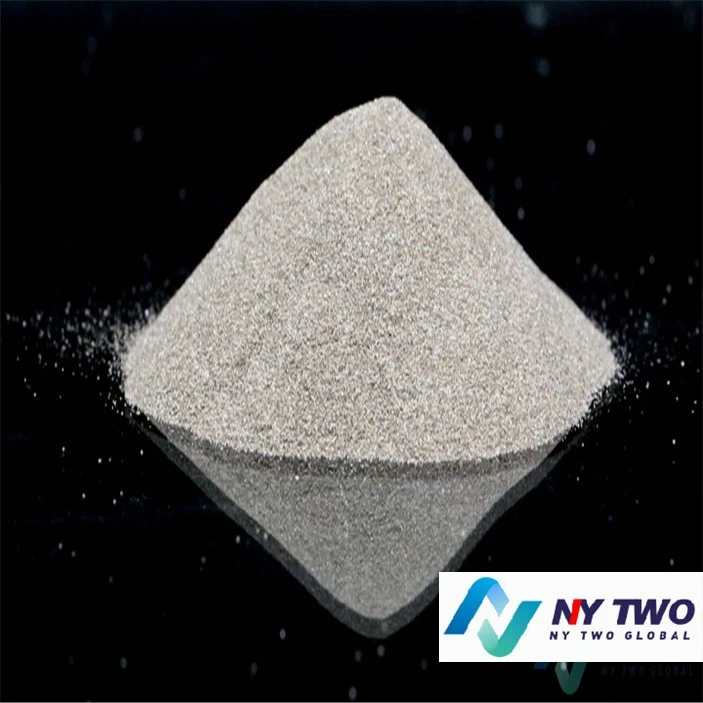
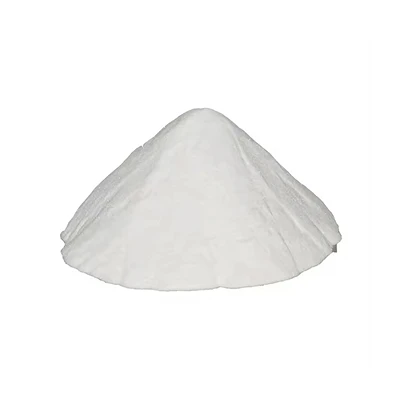
White Corundum Powder
White corundum powder is a form of corundum with high purity. It is often used in applications where high - quality refractory materials are required. However, similar to corundum, it may face challenges in terms of thermal shock resistance in high - temperature environments with rapid temperature changes. For more information on White corundum powder, you can visit the provided link.
Mullite Brick
Mullite brick is a refractory material made from mullite, a mineral composed of aluminum silicate. Mullite bricks have good thermal insulation properties, but their chemical resistance and thermal stability at extremely high temperatures may not be as good as those of fused spinel. To know more about the Product Introduction Of Mullite Brick, click on the link.
6. Applications in High - Temperature Industries
Fused spinel is widely used in various high - temperature industries, including:
Steel Industry
In the steel industry, fused spinel is used in the lining of electric arc furnaces, basic oxygen furnaces, ladles, and tundishes. Its excellent thermal stability, chemical resistance, and thermal shock resistance make it an ideal material for these applications, ensuring the efficient and reliable operation of steel - making processes.
Cement Industry
In the cement industry, fused spinel - based refractories are used in the rotary kilns. The high - temperature environment in the kiln requires materials with good thermal stability and chemical resistance. Fused spinel can withstand the corrosive action of cement clinker and the high temperatures, prolonging the service life of the kiln lining.
Glass Industry
In the glass - melting furnaces, fused spinel is used as a refractory material. It can resist the corrosion of molten glass and the high - temperature environment, ensuring the quality of the glass produced and the long - term operation of the furnace.
7. Quality Control and Production
As a fused spinel supplier, we pay great attention to quality control in the production process. The raw materials used for producing fused spinel are carefully selected to ensure their purity and quality. The melting process in the electric arc furnace is precisely controlled to ensure the formation of a uniform and high - quality spinel structure.
We also conduct various tests on the produced fused spinel, including chemical analysis, physical property testing, and high - temperature performance testing. These tests ensure that our fused spinel products meet the strict requirements of high - temperature applications.
8. Conclusion and Call to Action
In conclusion, fused spinel performs excellently in high - temperature environments due to its high thermal stability, excellent chemical resistance, good thermal shock resistance, and other remarkable properties. It has become an indispensable refractory material in various high - temperature industries, providing reliable solutions for high - temperature equipment.
If you are looking for high - quality fused spinel products for your high - temperature applications, we are here to help. Our extensive experience as a fused spinel supplier and our commitment to quality ensure that we can provide you with the best products and services. Contact us to start a procurement discussion and find the most suitable fused spinel solution for your specific needs.
References
- Schneider, H., & Somers, J. (2002). Refractories Handbook. CRC Press.
- Zhang, L., & Guo, X. (2015). Advances in Refractory Materials. Elsevier.