

What is the role of Fused Mullite in electronics industry?
Fused mullite, a high - performance ceramic material, has carved out a significant niche in the electronics industry. As a trusted supplier of fused mullite, I have witnessed firsthand its growing importance and diverse applications within this dynamic sector. In this blog, we will explore the multifaceted role of fused mullite in the electronics industry and understand why it has become an indispensable material for many electronic applications.
Physical and Chemical Properties of Fused Mullite
Fused mullite is a synthetic mineral with a unique crystal structure, typically composed of aluminum oxide (Al₂O₃) and silicon dioxide (SiO₂). It is produced by melting high - purity raw materials in an electric arc furnace at extremely high temperatures, followed by a controlled cooling process. This results in a material with exceptional physical and chemical properties.
One of the most notable characteristics of fused mullite is its high melting point, which can exceed 1800°C. This makes it highly resistant to thermal shock, a critical property in electronics where components often experience rapid temperature changes. Additionally, fused mullite has low thermal expansion, ensuring dimensional stability over a wide range of temperatures. This is crucial for maintaining the precision and reliability of electronic devices.
Chemically, fused mullite is highly inert, resistant to most acids and alkalis. This chemical stability protects electronic components from corrosion and chemical degradation, which can significantly extend the lifespan of electronic devices.
Applications in Electronic Packaging
Electronic packaging is a key area where fused mullite plays a vital role. The primary function of electronic packaging is to protect the delicate electronic components from environmental factors such as moisture, dust, and mechanical stress, while also providing electrical insulation and heat dissipation.
Fused mullite is used as a substrate material in many electronic packages. Its excellent thermal conductivity allows for efficient heat transfer from the electronic components to the surrounding environment, preventing overheating. For example, in high - power semiconductor devices like microprocessors and power amplifiers, the ability to dissipate heat effectively is essential for maintaining optimal performance and preventing component failure.
Moreover, the low dielectric constant and loss tangent of fused mullite make it an ideal material for high - frequency applications. In modern communication devices such as smartphones and 5G base stations, high - frequency signals are transmitted and processed. Fused mullite substrates can minimize signal loss and interference, ensuring clear and stable signal transmission.
Insulation and Circuit Board Applications
In the production of printed circuit boards (PCBs), fused mullite can be incorporated as a filler material. By adding fused mullite to the resin matrix of PCBs, the mechanical strength and thermal stability of the boards can be improved. This is particularly important for PCBs used in high - temperature or high - stress environments, such as automotive electronics and aerospace applications.
As an insulating material, fused mullite can provide reliable electrical insulation between different circuit elements. Its high electrical resistivity prevents short - circuits and leakage currents, which are common problems in electronic circuits. This is especially crucial in high - voltage and high - power electronic systems, where electrical safety is of utmost importance.
Comparison with Other Refractory Materials
When considering materials for electronics applications, it is important to compare fused mullite with other refractory materials. For example, Calcined Bauxite Aggregate is another commonly used refractory material. While calcined bauxite aggregate has good thermal properties, its chemical composition and crystal structure may not be as suitable for some high - precision electronics applications as fused mullite. Fused mullite offers better dimensional stability and lower thermal expansion, which are critical for maintaining the accuracy of electronic components.
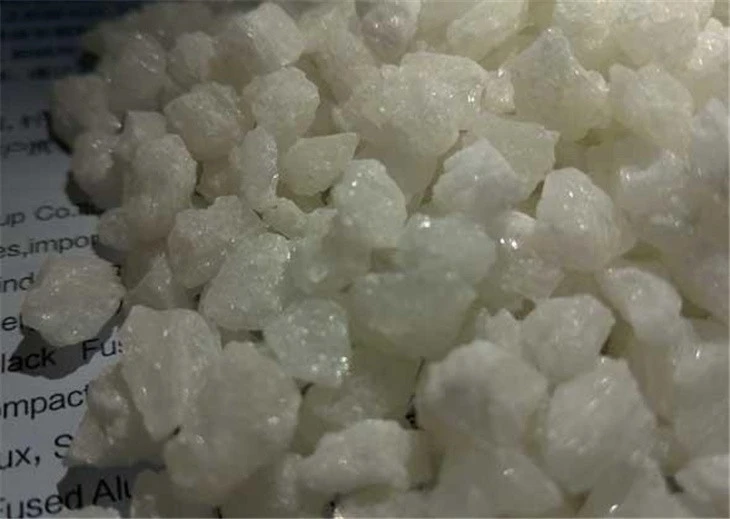
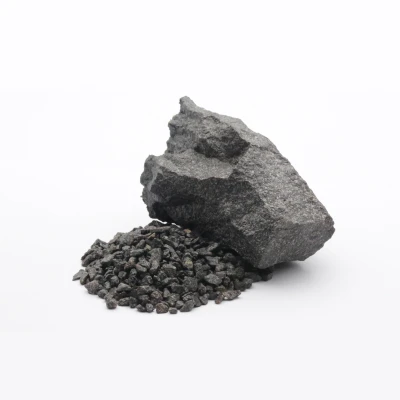
Brown Fused Alumina is also a well - known refractory material. However, White fused alumina and brown fused alumina are two distinct types of alumina, and both have some limitations compared to fused mullite in electronics. Brown fused alumina may have a relatively higher impurity content, which can affect its electrical and thermal properties. Fused mullite, on the other hand, can be produced with high purity, ensuring consistent performance in electronic applications.
Quality Control and Supply Assurance
As a supplier of fused mullite, we understand the importance of quality control in the electronics industry. Our production process is strictly monitored to ensure that the fused mullite we supply meets the highest quality standards. We use advanced testing equipment to analyze the chemical composition, physical properties, and microstructure of the product at every stage of production.
We also have a reliable supply chain to ensure timely delivery of our products. Whether you need a small quantity for research and development or a large - scale supply for mass production, we can meet your requirements. Our team of experts is always ready to provide technical support and advice to help you choose the most suitable fused mullite product for your specific electronic applications.
Conclusion
In conclusion, fused mullite plays a crucial and diverse role in the electronics industry. Its unique physical and chemical properties make it an ideal material for electronic packaging, insulation, and circuit board applications. As the electronics industry continues to evolve towards higher performance, miniaturization, and reliability, the demand for high - quality fused mullite is expected to grow.
If you are involved in the electronics industry and are looking for a reliable supplier of fused mullite, we would be delighted to discuss your needs. Our team of professionals is ready to assist you in finding the best solutions for your electronic applications. Contact us to start a fruitful business relationship and explore the possibilities of using our high - quality fused mullite in your products.
References
- Kingery, W. D., Bowen, H. K., & Uhlmann, D. R. (1976). Introduction to Ceramics. Wiley.
- Reed, J. S. (1995). Principles of Ceramics Processing. Wiley.
- Electronics Packaging Handbook. McGraw - Hill.