

What is the wear resistance of Fused Mullite?
Fused mullite is a high - performance refractory material that has gained significant attention in various industries due to its excellent properties. One of the most crucial characteristics of fused mullite is its wear resistance, which plays a vital role in determining its suitability for different applications. In this blog, as a supplier of fused mullite, I will delve into what the wear resistance of fused mullite is, its influencing factors, and its importance in practical applications.
Understanding Wear Resistance
Wear resistance refers to a material's ability to withstand the damage caused by the relative motion between two surfaces in contact. This motion can involve abrasion, erosion, or impact. When it comes to fused mullite, its wear resistance allows it to maintain its integrity and performance even under harsh conditions where other materials might fail.
Factors Affecting the Wear Resistance of Fused Mullite
Chemical Composition
The chemical composition of fused mullite is a fundamental factor influencing its wear resistance. Fused mullite typically consists of aluminum oxide (Al₂O₃) and silicon dioxide (SiO₂) in specific proportions. The high content of Al₂O₃ in fused mullite contributes to its hardness and wear - resistant properties. Aluminum oxide has a high melting point and strong ionic bonds, which provide excellent resistance to abrasion. A higher Al₂O₃ content generally leads to better wear resistance. For example, in some high - quality fused mullite products, the Al₂O₃ content can reach up to 70 - 80%, enhancing its ability to resist wear from abrasive particles.
Microstructure
The microstructure of fused mullite also has a significant impact on its wear resistance. Fused mullite usually has a dense and uniform microstructure, which is beneficial for wear resistance. The fine - grained structure can distribute the stress more evenly during wear, reducing the risk of crack propagation. In addition, the presence of a continuous mullite phase in the microstructure provides a strong framework that can withstand the forces exerted during wear. On the other hand, if the microstructure contains pores or impurities, it can weaken the material and reduce its wear resistance.
Manufacturing Process
The manufacturing process of fused mullite can affect its wear resistance. High - quality fused mullite is usually produced by melting and recrystallizing raw materials at high temperatures. The precise control of the melting temperature, cooling rate, and other process parameters can ensure the formation of a favorable microstructure and chemical composition. For instance, slow cooling during the manufacturing process can promote the growth of well - developed mullite crystals, which improves the wear resistance of the final product.
Importance of Wear Resistance in Applications
Refractory Industry
In the refractory industry, fused mullite is widely used in linings of furnaces, kilns, and other high - temperature equipment. These linings are constantly exposed to hot gases, molten metals, and abrasive particles. The wear resistance of fused mullite ensures that the linings can withstand the harsh environment for an extended period, reducing the frequency of lining replacement and improving the overall efficiency of the equipment. For example, in steel - making furnaces, the lining made of fused mullite can resist the erosion of molten steel and slag, protecting the furnace structure and maintaining its normal operation.
Abrasive Applications
Fused mullite is also used as an abrasive material. Its wear resistance allows it to maintain a sharp cutting edge during the grinding or polishing process. Compared with some other abrasive materials, fused mullite can provide a more consistent and efficient grinding performance. In industries such as automotive manufacturing and aerospace, fused mullite abrasives are used to process metal parts, ensuring high - precision surface finishing.
Foundry Industry
In the foundry industry, fused mullite is used in the production of molds and cores. The wear resistance of fused mullite is crucial in this application because the molds and cores are in contact with molten metals and are subject to mechanical forces during the casting process. A wear - resistant mold or core can produce high - quality castings with accurate dimensions and smooth surfaces, reducing the scrap rate and improving the productivity of the foundry.
Comparison with Other Materials
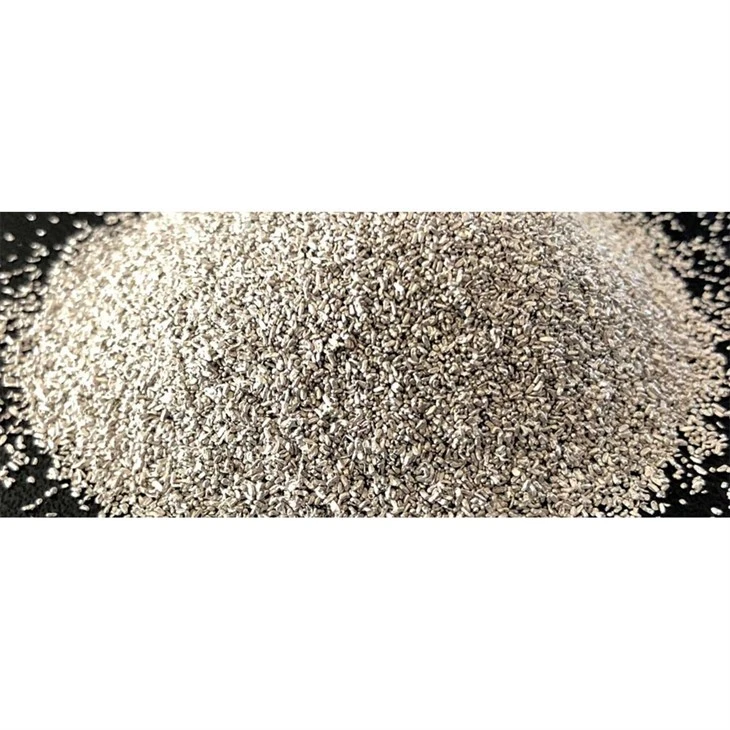
When comparing the wear resistance of fused mullite with other similar materials, it shows significant advantages. For example, compared with Brown Fused Aluminum Oxide, fused mullite has better chemical stability and a more uniform microstructure in some cases, which can lead to more consistent wear resistance. While brown fused aluminum oxide is also a popular abrasive and refractory material, fused mullite's unique properties make it a better choice in certain high - end applications where precise wear performance is required.
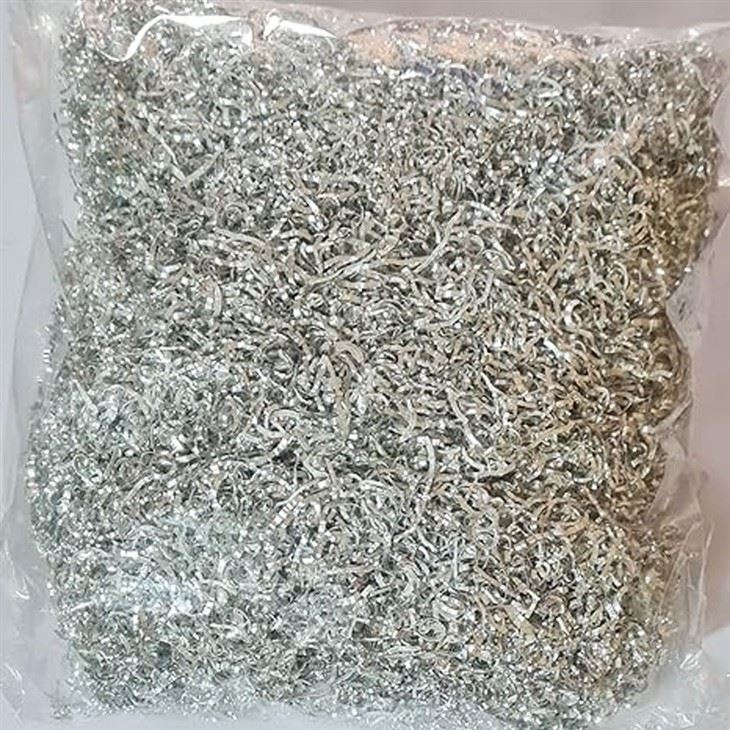
Another material to compare with is Magnesium Alloy AZ91D Thixo Chips. Magnesium alloys are known for their lightweight and good mechanical properties, but they generally have lower wear resistance compared to fused mullite. Fused mullite can be used in applications where wear resistance is a primary concern, while magnesium alloys are more suitable for applications where weight reduction is crucial.
Enhancing the Wear Resistance of Fused Mullite
To further enhance the wear resistance of fused mullite, several methods can be employed. One approach is to add certain additives during the manufacturing process. For example, small amounts of rare - earth elements can be added to improve the microstructure and mechanical properties of fused mullite, thereby enhancing its wear resistance. Another method is surface treatment. Coating the surface of fused mullite with a wear - resistant layer can provide an additional protective barrier against wear.
Conclusion
The wear resistance of fused mullite is a critical property that makes it a valuable material in various industries. Its unique combination of chemical composition, microstructure, and manufacturing process results in excellent wear - resistant performance. Whether in the refractory industry, abrasive applications, or foundry industry, fused mullite's wear resistance helps to improve the efficiency, quality, and durability of products and equipment.
As a supplier of fused mullite, I understand the importance of providing high - quality products with excellent wear resistance. If you are interested in purchasing fused mullite for your specific application, I encourage you to contact me for further discussions and negotiations. I am committed to meeting your requirements and providing the best solutions for your business.
References
- "Ceramics: Structure, Properties, Processing, and Applications" by J. Reed.
- "Refractory Materials: Principles and Practice" by R. L. Coble.
- "Abrasive Technology" by R. K. Jain.