

How does the quality of Pink Corundum affect its price?
Pink corundum, a gemstone renowned for its captivating color and exceptional properties, has long been a sought-after material in various industries, from jewelry making to industrial abrasives. As a supplier of pink corundum, I've witnessed firsthand how the quality of this precious stone can significantly impact its price. In this blog post, I'll delve into the key factors that determine the quality of pink corundum and how they translate into market value.
Color: The Heart of Pink Corundum's Appeal
The color of pink corundum is perhaps the most critical factor influencing its price. The ideal pink corundum exhibits a vivid, pure, and evenly distributed pink hue. Shades can range from delicate pastels to intense, saturated pinks, with the most valuable specimens boasting a rich, vibrant color that catches the eye.
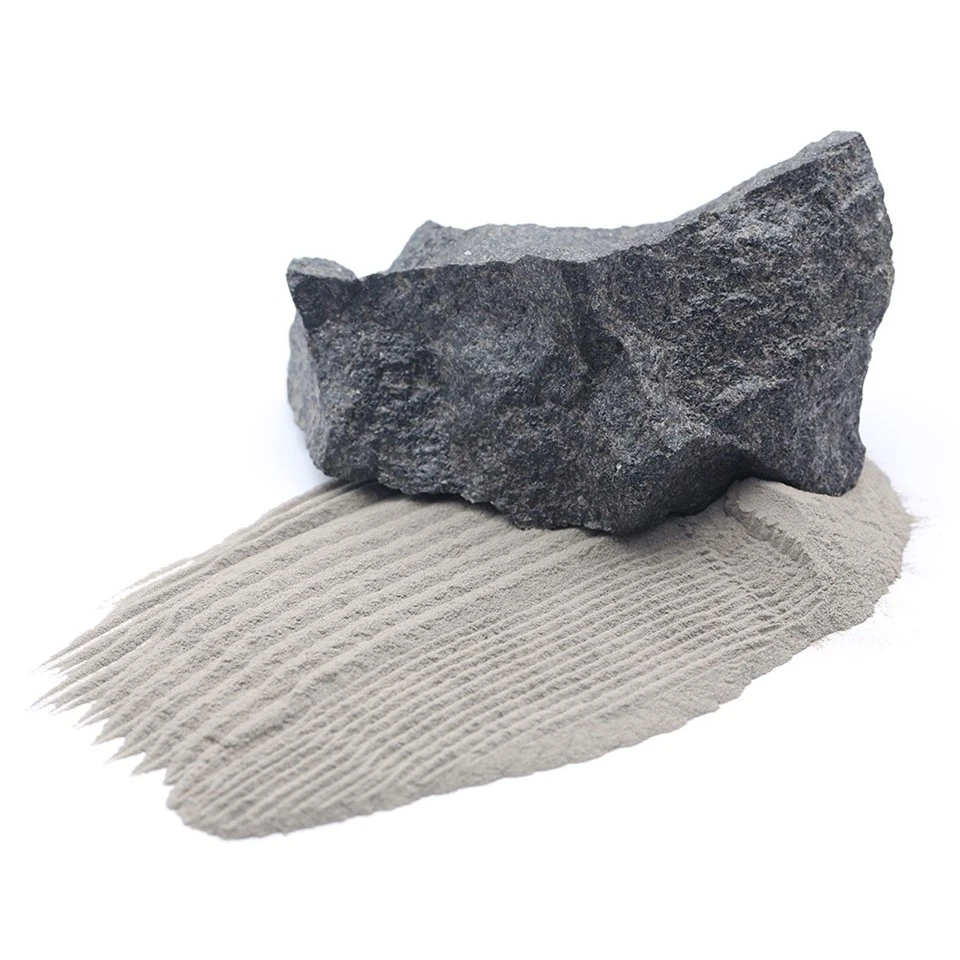
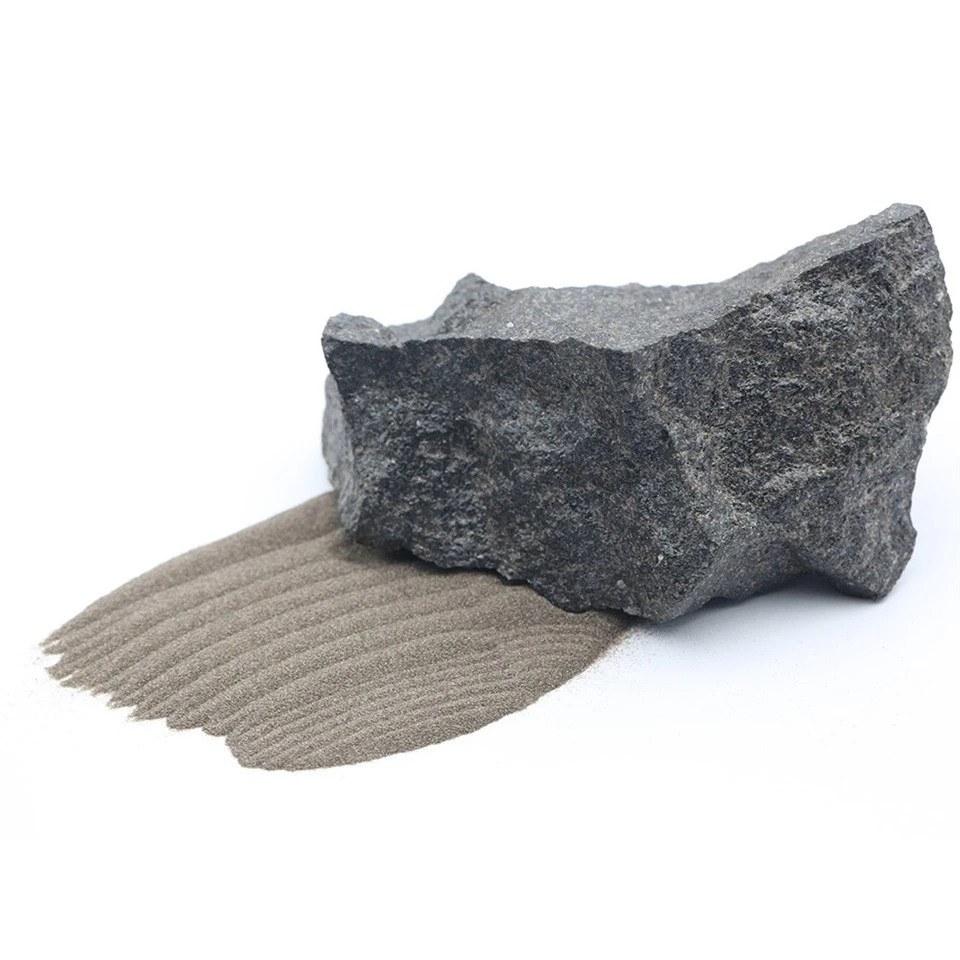
When it comes to color grading, several aspects are considered. First is the hue, which refers to the specific color tone. A pure pink hue without any undertones of other colors, such as orange or purple, is generally more desirable. Second is the saturation, which measures the intensity of the color. Higher saturation levels result in a more vivid and striking appearance, commanding a higher price. Finally, the tone, or the lightness or darkness of the color, also plays a role. Medium to medium-dark tones are typically preferred, as they offer a good balance between visibility and richness.
In the market, pink corundum with a rare and intense pink color can fetch a premium price. For example, a high-quality pink sapphire (a type of corundum) with a deep, saturated pink hue may be valued significantly higher than a lighter, less saturated specimen. This is because the intensity and purity of the color are directly related to the stone's rarity and aesthetic appeal.
Clarity: The Window to Pink Corundum's Purity
Clarity refers to the presence of inclusions or imperfections within the pink corundum. Inclusions are natural features that occur during the formation of the stone and can include minerals, fractures, or other irregularities. While some inclusions are visible to the naked eye, others may require magnification to detect.
The clarity of pink corundum is graded on a scale, with stones that are free of visible inclusions considered the highest quality. These "eye-clean" specimens are highly prized for their transparency and brilliance, as inclusions can interfere with the passage of light through the stone, reducing its sparkle and overall beauty.
However, it's important to note that not all inclusions are detrimental to the value of pink corundum. In some cases, certain types of inclusions can add character and uniqueness to the stone, making it more interesting and valuable to collectors. For example, a star sapphire, which exhibits a star-like effect due to the presence of needle-like inclusions, is a highly sought-after variety of pink corundum.
In general, pink corundum with higher clarity will command a higher price. This is because clear stones are rarer and more visually appealing, making them more suitable for use in high-end jewelry and other applications where transparency and brilliance are essential.
Cut: The Art of Enhancing Pink Corundum's Beauty
The cut of pink corundum refers to the way it is shaped and faceted. A well-cut stone can enhance its color, clarity, and overall beauty, while a poorly cut stone may appear dull and lackluster.
There are several factors to consider when evaluating the cut of pink corundum. First is the shape, which can range from classic round and oval cuts to more unique and contemporary shapes, such as princess, emerald, or cushion cuts. The shape should complement the stone's natural characteristics and the intended use of the finished piece.
Second is the proportions of the cut. A well-proportioned stone will have the right balance between the height, width, and depth, allowing light to enter and reflect within the stone in a way that maximizes its brilliance and fire. Incorrect proportions can result in light leakage, reducing the stone's sparkle and overall appearance.
Finally, the quality of the faceting is also important. Each facet should be precisely cut and polished to ensure a smooth, reflective surface. Poorly faceted stones may have uneven edges or rough surfaces, which can detract from their beauty and value.
In the market, pink corundum that has been expertly cut and faceted will typically command a higher price. This is because a good cut can enhance the stone's natural beauty and make it more attractive to buyers.
Carat Weight: The Measure of Pink Corundum's Size
Carat weight is a measure of the size of the pink corundum. One carat is equal to 0.2 grams, and larger stones are generally more valuable than smaller ones. However, the relationship between carat weight and price is not always linear, as other factors such as color, clarity, and cut also play a significant role.
In general, as the carat weight of pink corundum increases, the price per carat also tends to increase. This is because larger stones are rarer and more difficult to find, especially in high-quality specimens. However, there is a point where the increase in price per carat becomes less significant, as the market demand for extremely large stones may be limited.
When purchasing pink corundum, it's important to consider the balance between carat weight and other quality factors. A smaller stone with excellent color, clarity, and cut may be more valuable and visually appealing than a larger stone with lower quality characteristics.
Market Demand and Rarity: The Driving Forces Behind Pink Corundum's Price
In addition to the quality factors discussed above, market demand and rarity also play a crucial role in determining the price of pink corundum. Pink corundum is a relatively rare gemstone, especially in high-quality specimens, which can drive up its price.
The demand for pink corundum is influenced by several factors, including fashion trends, cultural preferences, and the availability of alternative gemstones. For example, in recent years, there has been a growing trend towards pink gemstones, which has increased the demand for pink corundum in the jewelry market.
The rarity of pink corundum is also affected by its source and mining conditions. Some deposits of pink corundum are more difficult to access or have lower yields, which can limit the supply of high-quality stones. Additionally, the quality of the corundum from different sources can vary significantly, with some locations producing stones that are more desirable and valuable than others.
In the market, pink corundum that is rare and in high demand will typically command a higher price. This is because buyers are willing to pay more for a stone that is unique, beautiful, and difficult to find.
Conclusion: The Value of Pink Corundum Quality
As a supplier of pink corundum, I understand the importance of quality in determining the price of this precious stone. The color, clarity, cut, carat weight, market demand, and rarity all play a role in determining the value of pink corundum, and buyers should carefully consider these factors when making a purchase.
If you're interested in purchasing pink corundum for your jewelry or industrial applications, I encourage you to contact me to discuss your specific needs. I offer a wide range of high-quality pink corundum products at competitive prices, and I'm committed to providing excellent customer service and support. Whether you're looking for a small, delicate stone for a pendant or a large, statement piece for a ring, I can help you find the perfect pink corundum to meet your requirements.
References
- "Gemstone Encyclopedia" by Joel E. Arem
- "The World of Gemstones" by Richard W. Hughes
- "Gems and Jewelry: The Buying Guide" by Antoinette Matlins