

How is refractoriness measured?
Refractoriness is a crucial property in the realm of refractories, influencing their performance and suitability for various high - temperature applications. As a refractory supplier, understanding how refractoriness is measured is not only fundamental to our product development but also essential for providing our customers with the best - fitting solutions.
1. The Concept of Refractoriness
Refractoriness refers to the ability of a refractory material to withstand high temperatures without significant deformation or softening under its own weight or the influence of external forces. It is a key characteristic that determines where a refractory product can be used. For instance, in a steel - making furnace, the refractory lining must endure extremely high temperatures generated during the smelting process. Different industries require refractories with different levels of refractoriness based on their specific temperature needs.
2. Standard Test Methods for Measuring Refractoriness
2.1 The Pyrometric Cone Equivalent (PCE) Method
The Pyrometric Cone Equivalent (PCE) is one of the most widely used methods for measuring refractoriness. This method involves using a series of standardized pyrometric cones made of materials with known melting points. These cones are classified according to their softening points, which are determined by the chemical composition and physical structure of the cone material.
To perform a PCE test, a set of pyrometric cones is placed in a furnace alongside a test sample of the refractory material in the form of a cone with the same shape as the standard cones. The furnace is then heated at a controlled rate. As the temperature rises, the cones gradually soften and bend under the influence of gravity. The PCE of the test sample is determined by comparing its bending behavior with that of the standard cones. When the test cone bends until its apex touches the base, similar to a standard cone, the PCE of the test sample is considered to be the same as that of the corresponding standard cone.
This method provides a simple and cost - effective way to estimate the refractoriness of a material. However, it has some limitations. For example, the PCE test does not take into account the influence of external pressures or chemical reactions that may occur in real - world applications.
2.2 Determination of the Softening Temperature by the Heat - Deformation Test
In addition to the PCE method, the heat - deformation test is also commonly used to measure the refractoriness of a material. In this test, a cylindrical or prismatic sample of the refractory material is subjected to a constant load and heated at a prescribed rate. During the heating process, the deformation of the sample is continuously measured.
The softening temperature is usually defined as the temperature at which the sample experiences a certain amount of deformation, such as a 0.6% or 2% linear shrinkage or expansion. Different industries may use different criteria to define the softening temperature based on the specific requirements of their applications.
This method offers more detailed information about the deformation behavior of the refractory material under load and temperature. It can better simulate the actual service conditions in industrial furnaces and other high - temperature equipment. However, it is a more complex and time - consuming test compared to the PCE method and requires specialized testing equipment.
3. Influence of Chemical Composition and Microstructure on Refractoriness
The refractoriness of a refractory material is highly influenced by its chemical composition and microstructure.
3.1 Chemical Composition
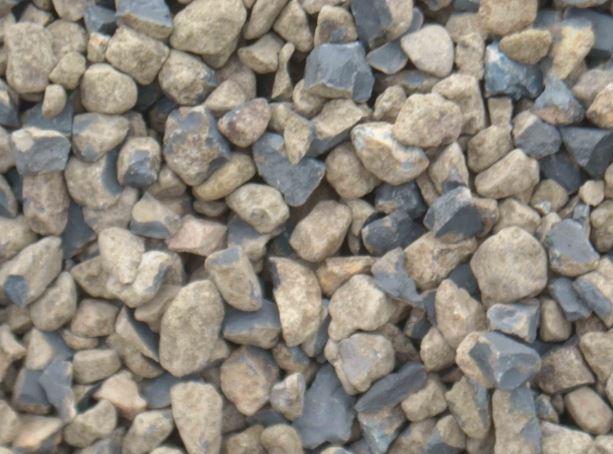
The main chemical components of refractory materials include oxides such as alumina (Al₂O₃), silica (SiO₂), magnesia (MgO), and others. Materials with high alumina content, such as Arc Fused Alumina, generally have high refractoriness. Alumina has a high melting point and good chemical stability at high temperatures, which makes it an important component in many high - temperature refractories.
Silica is another common component in refractory materials. However, its refractoriness is relatively lower compared to alumina. When combined with alumina, silica can form mullite (3Al₂O₃·2SiO₂) at high temperatures, which has better thermal properties than either pure alumina or silica.
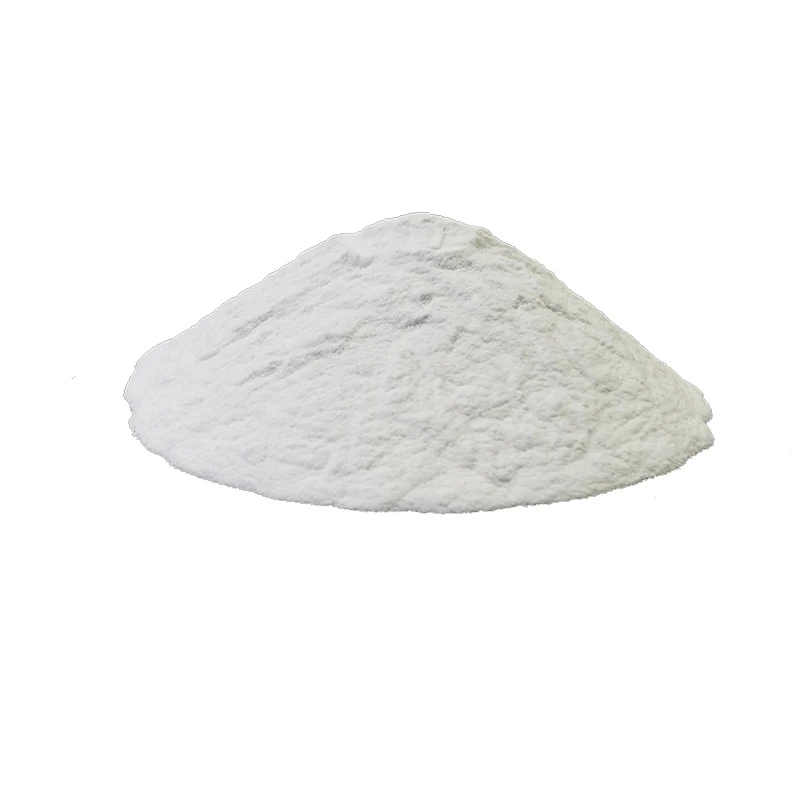
Magnesia - based refractories are also widely used in high - temperature applications, especially in industries such as steel - making and cement production. Magnesia has a very high melting point and excellent resistance to basic slags.
3.2 Microstructure
The microstructure of a refractory material, including the grain size, pore structure, and phase distribution, also affects its refractoriness. A dense microstructure with small grain sizes and low porosity generally results in higher refractoriness. Smaller grains can provide more grain boundaries, which can impede the movement of atoms and prevent the material from deforming at high temperatures.
On the other hand, a material with a large number of pores may have lower refractoriness because the pores can act as stress concentration points and promote the propagation of cracks. The phase distribution in the microstructure also plays an important role. For example, the presence of a stable second - phase in the matrix can enhance the refractoriness of the material.
4. Measuring Refractoriness in Different Types of Refractory Products
As a refractory supplier, we deal with a wide range of refractory products, each with its own unique characteristics and measurement methods for refractoriness.
4.1 Fired Bricks
Fired bricks are one of the most common types of refractory products. To measure the refractoriness of fired bricks, both the PCE method and the heat - deformation test can be used. However, due to the large size and relatively complex structure of fired bricks, it is often necessary to take representative samples from different parts of the brick for testing.
In addition to the basic refractoriness measurement, the uniformity of refractoriness across the brick is also an important consideration. Non - uniform refractoriness can lead to uneven deformation and failure of the brick lining in a furnace.
4.2 Castables
Castables are a type of unshaped refractory material that are cast in place. Measuring the refractoriness of castables is more challenging compared to fired bricks because their properties can be affected by factors such as the mixing ratio, casting process, and curing conditions.
The PCE test can still be used for castables, but it is often necessary to prepare the test samples carefully to ensure that they represent the actual properties of the castable in use. The heat - deformation test is also important for evaluating the performance of castables under load and temperature. Castables usually have a high content of binders and additives, which can affect their refractoriness. Therefore, proper selection and control of these components are crucial for achieving the desired refractoriness.
4.3 Special - Purpose Refractories
We also supply special - purpose refractories, such as those used in the glass - making industry or in aerospace applications. These refractories often have strict requirements for refractoriness and other properties.
For example, in the glass - making industry, refractories need to have high resistance to the corrosive action of molten glass in addition to high refractoriness. The measurement of refractoriness in these cases may involve more complex testing methods that take into account the specific chemical and physical environments in which the refractories will be used.
5. Importance of Accurate Refractoriness Measurement for Our Customers
Accurate measurement of refractoriness is of great importance for our customers. It helps them to select the most suitable refractory products for their specific applications. For example, in a petrochemical plant, choosing a refractory with the appropriate refractoriness can ensure the safe and efficient operation of the high - temperature equipment.
If the refractoriness of the selected material is too low, the refractory lining may deform or fail prematurely, leading to production interruptions, increased maintenance costs, and potential safety hazards. On the other hand, using a refractory with overly high refractoriness may result in unnecessary costs.
As a refractory supplier, we are committed to providing our customers with detailed and accurate information about the refractoriness of our products. We conduct rigorous testing on all our products to ensure that they meet or exceed the required standards. We can also provide technical support to help our customers make the right decisions based on their specific needs. For more information about our high - quality refractory products, such as Calcined Bauxite Aggregate and Product Introduction Of Mullite Brick, we invite you to contact us for procurement discussions. Our team of experts is ready to assist you in finding the best refractory solutions for your projects.
References
- ASTM C24 - 19 Standard Test Methods for Pyrometric Cone Equivalent (PCE) of Fireclay and High - Alumina Refractories.
- ASTM C16 - 19 Standard Test Method for Determination of Pyrometric Cone Equivalent (PCE) of Alumina and Silica Refractory Materials.
- Zhang, L., & Scarberry, G. B. (2013). Refractories Handbook. CRC Press.