

How to determine the appropriate amount of White Fused Alumina for a given application?
Determining the appropriate amount of White Fused Alumina for a given application is a crucial step that can significantly impact the efficiency, quality, and cost - effectiveness of the process. As a White Fused Alumina supplier, I have witnessed firsthand the importance of making accurate calculations and informed decisions in this regard. In this blog, I will share some key factors and methods to help you determine the right quantity of White Fused Alumina for your specific needs.
Understanding White Fused Alumina
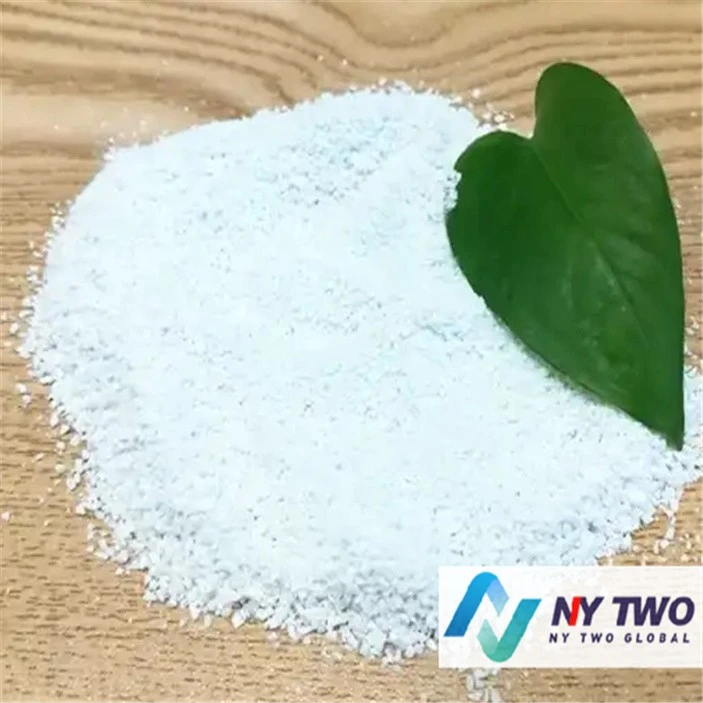
Before delving into the determination of the appropriate amount, it's essential to understand what White Fused Alumina is. White Fused Alumina is a high - quality abrasive material produced by melting high - purity alumina powder in an electric arc furnace at extremely high temperatures. It has excellent hardness, high purity, and good chemical stability, making it suitable for a wide range of applications, including abrasives, refractories, and ceramics.
Factors Affecting the Amount of White Fused Alumina
1. Application Type
The type of application is the most significant factor influencing the amount of White Fused Alumina required. For example, in abrasive applications such as grinding wheels, the amount of White Fused Alumina depends on the size of the grinding wheel, the grinding pressure, and the material being ground. A larger grinding wheel or a more difficult - to - grind material will generally require more White Fused Alumina.
In refractory applications, the amount is determined by the volume of the refractory product and the desired refractory properties. For instance, if you are manufacturing a refractory lining for a high - temperature furnace, you need to ensure that there is enough White Fused Alumina to provide the necessary heat resistance and mechanical strength.
2. Particle Size
The particle size of White Fused Alumina also plays a vital role. Different applications require different particle sizes. Finer particles are often used in precision grinding and polishing applications, while coarser particles are more suitable for rough grinding and cutting. Generally, finer particles cover a larger surface area per unit weight, so you may need less of them in some cases. However, this also depends on the specific requirements of the application. For example, in some high - precision polishing processes, a larger amount of fine - grained White Fused Alumina may be needed to achieve the desired surface finish.
3. Quality Requirements
The quality requirements of the final product can greatly affect the amount of White Fused Alumina. Higher - quality products often demand a higher proportion of White Fused Alumina. For example, in the production of high - end ceramics, a larger amount of high - purity White Fused Alumina is used to ensure the product's excellent mechanical and thermal properties. If you are aiming for a product with superior performance, you cannot skimp on the amount of this high - quality material.
Methods for Determining the Amount
1. Calculation Based on Volume or Weight Ratios
One of the most common methods is to calculate the amount of White Fused Alumina based on volume or weight ratios. For example, in a refractory mixture, you can determine the proportion of White Fused Alumina based on the total volume or weight of the mixture. If a refractory formula specifies that White Fused Alumina should account for 30% of the total weight of the mixture, and you need to produce 1000 kilograms of the refractory product, then you would need 300 kilograms of White Fused Alumina.
2. Experimental Testing
Experimental testing is another reliable method. You can conduct small - scale tests with different amounts of White Fused Alumina to observe the performance of the final product. For example, in an abrasive application, you can make several test grinding wheels with different amounts of White Fused Alumina and test their grinding efficiency, wear resistance, and surface finish on the workpiece. Based on the test results, you can determine the optimal amount of White Fused Alumina for large - scale production.
3. Referring to Industry Standards and Best Practices
There are many industry standards and best practices available for different applications of White Fused Alumina. These standards can provide valuable guidance on the appropriate amount of the material. For example, in the production of grinding wheels, there are standards that specify the amount of abrasive material (including White Fused Alumina) based on the type and size of the grinding wheel. By referring to these standards, you can ensure that you are using the right amount of White Fused Alumina.
Comparison with Related Materials
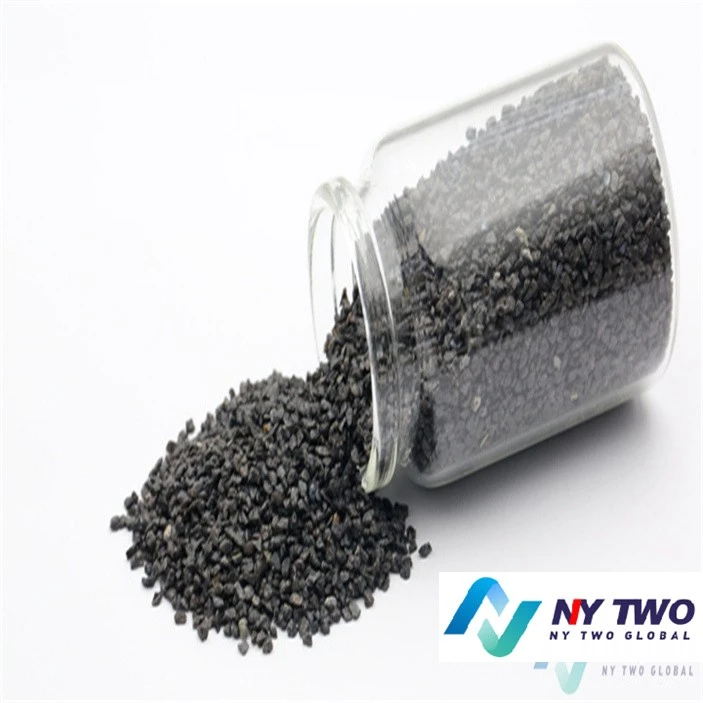
It's also worth comparing White Fused Alumina with other similar materials such as Brown Fused Alumina and Brown Corundum. Brown Fused Alumina is a more common and cost - effective abrasive material, but it has lower purity and hardness compared to White Fused Alumina. In some applications where cost is a major concern and high - end performance is not strictly required, Brown Fused Alumina may be a viable alternative. However, if you need a material with excellent chemical stability, high hardness, and fine - grained structure, White Fused Alumina is the better choice.
Pricing Considerations
The price of White Fused Alumina is an important factor when determining the amount. You can check the White Fused Alumina Price to understand the cost implications. While it may be tempting to use less White Fused Alumina to save costs, it's important to balance cost with performance. Using too little White Fused Alumina may result in a sub - standard product that may cost more in the long run due to lower efficiency, shorter lifespan, or poor quality.
Conclusion
Determining the appropriate amount of White Fused Alumina for a given application is a complex process that requires careful consideration of multiple factors, including application type, particle size, quality requirements, and cost. By using the methods mentioned above, such as calculation based on volume or weight ratios, experimental testing, and referring to industry standards, you can make an informed decision.
As a White Fused Alumina supplier, I am committed to providing high - quality products and professional advice to help you optimize your use of White Fused Alumina. If you have any questions about determining the right amount of White Fused Alumina for your application or if you are interested in purchasing our products, please feel free to contact us for procurement discussions. We look forward to working with you to achieve the best results in your projects.
References
- ASTM International Standards for Abrasive Materials
- Technical literature on refractory materials and their applications
- Research papers on the properties and applications of White Fused Alumina