

What are abrasives?
Hey there! If you're in the manufacturing, metalworking, or DIY scene, you've probably come across the term “abrasives” at some point. But what exactly are abrasives? Well, let me break it down for you.
What Are Abrasives?
Abrasives are materials used to wear down, shape, or finish a workpiece through friction. In simple terms, they're like the sandpaper of the industrial world, but way more powerful and diverse. They can be found in various forms, from sandpaper sheets and grinding wheels to polishing compounds and blasting media.
The basic principle behind abrasives is pretty straightforward. When an abrasive material comes into contact with a workpiece, the tiny, hard particles on its surface scratch and remove small bits of the workpiece material. This process can be used for a wide range of applications, including grinding, sanding, polishing, and buffing.
Types of Abrasives
There are two main types of abrasives: natural and synthetic.
Natural Abrasives
Natural abrasives are derived from naturally occurring minerals. Some common examples include emery, corundum, and diamond. Diamond, in particular, is one of the hardest known materials and is often used for cutting and grinding extremely hard substances like glass, ceramics, and metals. However, natural abrasives are becoming less common in industrial applications due to their limited availability and high cost.
Synthetic Abrasives
Synthetic abrasives, on the other hand, are man-made and offer several advantages over natural abrasives. They can be produced in large quantities, have more consistent quality, and can be tailored to specific applications. Some of the most popular synthetic abrasives include aluminum oxide, silicon carbide, and cubic boron nitride (CBN).
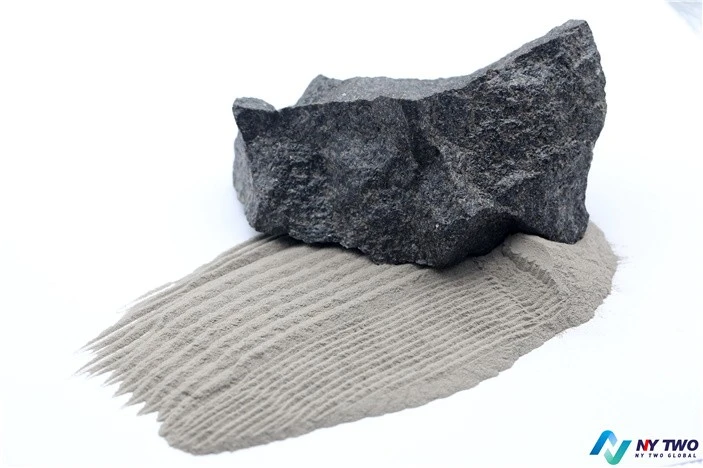
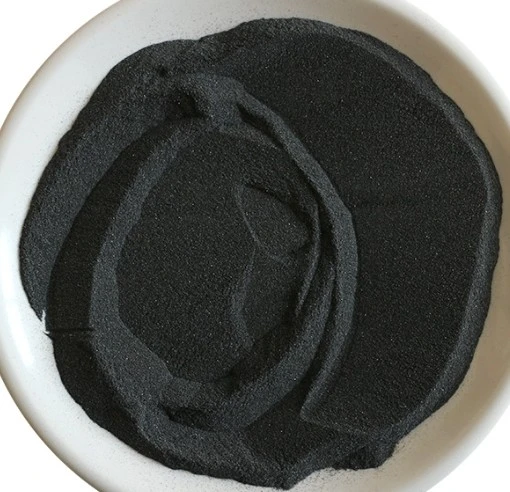
- Aluminum Oxide: This is one of the most widely used abrasives. It's tough, durable, and can be used on a variety of materials, including metals, wood, and plastics. Brown alumina is a common type of aluminum oxide abrasive. For example, Brown Alumina Grade 100 is great for heavy-duty grinding and shaping tasks.
- Silicon Carbide: Silicon carbide abrasives are extremely hard and sharp. They're particularly effective on non-ferrous metals, ceramics, and glass. There are different grades of silicon carbide, like Black Silicon Carbide. It's known for its high thermal conductivity and excellent cutting performance. Another option is Black Silicon Carbide, which is often used in precision grinding and finishing applications.
- Cubic Boron Nitride (CBN): CBN is a relatively new synthetic abrasive that's almost as hard as diamond. It's mainly used for grinding hard steels and superalloys, where it offers superior performance and longer tool life compared to other abrasives.
Applications of Abrasives
Abrasives are used in a wide variety of industries and applications. Here are some of the most common ones:
Metalworking
In the metalworking industry, abrasives are used for grinding, cutting, and polishing metal parts. Grinding wheels made of aluminum oxide or CBN are used to shape and finish metal components, while sandpaper and abrasive belts are used for surface preparation and finishing. Abrasive blasting is also a popular method for cleaning and deburring metal parts.
Woodworking
Woodworkers use abrasives to sand and finish wooden surfaces. Sandpaper with different grits is used to smooth rough wood, remove stains, and prepare the surface for painting or staining. Abrasive pads and discs are also used for fine finishing and polishing.
Automotive
The automotive industry relies heavily on abrasives for various processes, including engine block machining, brake pad manufacturing, and body panel finishing. Abrasive wheels and belts are used to grind and shape engine components, while sandpaper and polishing compounds are used to finish and polish body panels.
Electronics
In the electronics industry, abrasives are used for precision grinding and polishing of semiconductor wafers, printed circuit boards (PCBs), and other electronic components. Ultra-fine abrasives are used to achieve the smooth surfaces and precise dimensions required for high-performance electronics.
Construction
Abrasives are used in the construction industry for tasks such as concrete grinding, stone polishing, and tile cutting. Diamond blades and grinding wheels are commonly used for cutting and shaping concrete, stone, and ceramic tiles.
Why Choose Our Abrasives?
As an abrasives supplier, we take pride in offering high-quality products that meet the needs of our customers. Here are some reasons why you should choose our abrasives:
- Quality Assurance: We source our abrasives from reputable manufacturers and conduct strict quality control checks to ensure that our products meet the highest standards.
- Wide Range of Products: We offer a comprehensive range of abrasives, including different types, grits, and sizes, to suit various applications. Whether you need a coarse grinding wheel for heavy-duty work or a fine polishing compound for a delicate finish, we've got you covered.
- Technical Support: Our team of experts is always ready to provide you with technical support and advice. We can help you choose the right abrasive for your specific application and offer tips on how to use it effectively.
- Competitive Pricing: We understand the importance of cost-effectiveness, which is why we offer our abrasives at competitive prices without compromising on quality.
How to Contact Us
If you're interested in our abrasives or have any questions, we'd love to hear from you. Whether you're a small business looking for a reliable supplier or a large corporation in need of bulk orders, we're here to help. Simply reach out to us, and we'll be happy to discuss your requirements and provide you with a quote. Let's work together to find the perfect abrasive solutions for your needs!
References
- "Handbook of Abrasive Technology" by Ramesh Singh
- "Abrasive Machining Processes" by I. Kovacevic and J. Paulo Davim
- Various industry publications and online resources