

What are the different grades of White Fused?
White fused alumina is a high - quality abrasive material known for its excellent hardness, high purity, and good chemical stability. As a white fused alumina supplier, I have in - depth knowledge of the different grades of this product, which can meet various industrial needs. In this blog, I will introduce the different grades of white fused alumina and their applications.
Grade Classification and Characteristics
Micro - powder Grade
The micro - powder grade of white fused alumina typically has a particle size ranging from a few micrometers to tens of micrometers. This grade is characterized by its extremely fine particles, which result in a very smooth finish when used for polishing. The high purity of white fused alumina in this grade ensures that there are minimal impurities that could cause scratches or surface defects.
Micro - powder grade white fused alumina is often used in the precision polishing of optical lenses, semiconductor wafers, and high - end jewelry. For example, in the production of smartphone camera lenses, the micro - powder grade can be used to achieve a mirror - like finish, which is crucial for high - quality image capture. The smooth surface achieved by this grade of white fused alumina also helps to reduce light scattering, improving the overall optical performance of the lenses.
Coarse - grain Grade
Coarse - grain grade white fused alumina has larger particle sizes, usually from several hundred micrometers to a few millimeters. This grade is known for its high cutting ability and durability. The large particles can quickly remove material during grinding and cutting processes.
In the metalworking industry, coarse - grain white fused alumina is widely used for grinding and shaping metal parts. For instance, when manufacturing large - scale machinery components, such as gears or shafts, the coarse - grain grade can be used to remove excess material efficiently, reducing the processing time. It can also be used in the production of abrasive tools, like grinding wheels, where its high hardness and durability ensure a long service life of the tool.
Medium - grain Grade
The medium - grain grade of white fused alumina strikes a balance between the fine - grained and coarse - grained grades. With particle sizes in the range of tens to a few hundred micrometers, it offers both good cutting ability and a relatively smooth finish.
This grade is commonly used in general - purpose grinding and sandblasting applications. In the automotive industry, medium - grain white fused alumina can be used for surface preparation before painting. It can effectively remove rust, old paint, and other contaminants from the car body, while also creating a suitable surface roughness for better paint adhesion. In sandblasting operations, the medium - grain grade can be used to clean and texture various surfaces, such as stone, concrete, and metal, providing a uniform and clean finish.
Applications in Different Industries
Abrasive Tool Manufacturing
All grades of white fused alumina play important roles in the production of abrasive tools. Coarse - grain white fused alumina is used to make grinding wheels for heavy - duty grinding tasks, such as those in the steel and automotive industries. The high hardness and sharp edges of the particles allow the grinding wheels to cut through tough materials with ease.
Medium - grain white fused alumina is suitable for manufacturing flap discs and sanding belts, which are commonly used in woodworking and metal finishing. These tools can provide a good balance between material removal and surface finish. Micro - powder grade white fused alumina is used in the production of precision polishing pads and compounds, which are essential for high - end finishing applications in the electronics and jewelry industries.
Refractory Industry
White fused alumina's high melting point and chemical stability make it an ideal material for the refractory industry. Different grades can be used depending on the specific requirements of the refractory products. Coarse - grain white fused alumina can be used as a raw material for making refractory bricks and linings for high - temperature furnaces. Its large particles can provide good structural strength and thermal shock resistance.
Medium - grain and micro - powder grades can be used in the production of refractory castables and mortars. They can fill the gaps between larger particles, improving the density and overall performance of the refractory materials. These materials are used in various industrial furnaces, such as those in the steel, glass, and cement industries, to withstand high temperatures and corrosive environments.
Ceramics Industry
In the ceramics industry, white fused alumina is used to improve the mechanical properties and wear resistance of ceramic products. Micro - powder grade white fused alumina can be added to ceramic glazes to enhance the hardness and gloss of the finished products. It can also be used in the production of advanced ceramics, such as alumina ceramics, which are used in electronic components, cutting tools, and biomedical applications.
Coarse - and medium - grain grades can be used as fillers in ceramic bodies, increasing the strength and thermal conductivity of the ceramics. This is particularly important in applications where the ceramics need to withstand high mechanical stresses and temperature variations, such as in the aerospace and automotive industries.
Quality Assurance and Safety
As a white fused alumina supplier, quality assurance is of utmost importance. We conduct strict quality control tests on all grades of white fused alumina to ensure that they meet the industry standards. These tests include particle size analysis, chemical composition analysis, and hardness testing.
When handling white fused alumina, safety is also a key concern. Workers should wear appropriate personal protective equipment, such as dust masks, goggles, and gloves, to prevent inhalation of dust and skin contact. For more detailed safety information, you can refer to the Brow Fused Aluminum Oxide SDS.
Visual References
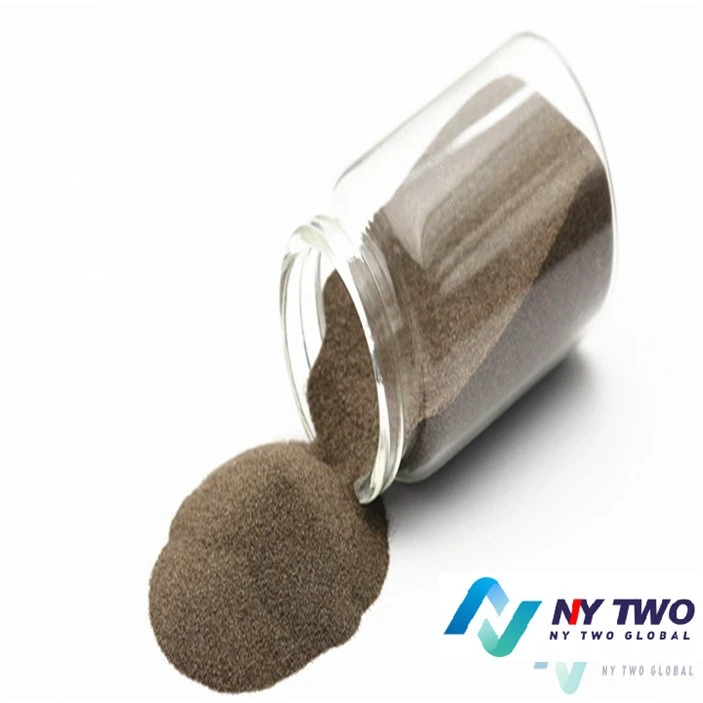
If you want to have a better understanding of the appearance and characteristics of white fused alumina and related products, you can check out the Images Of Artificial Corundum Brown Fepa BFA. These images can provide you with a more intuitive view of the product.
Comparison with Other Abrasive Materials
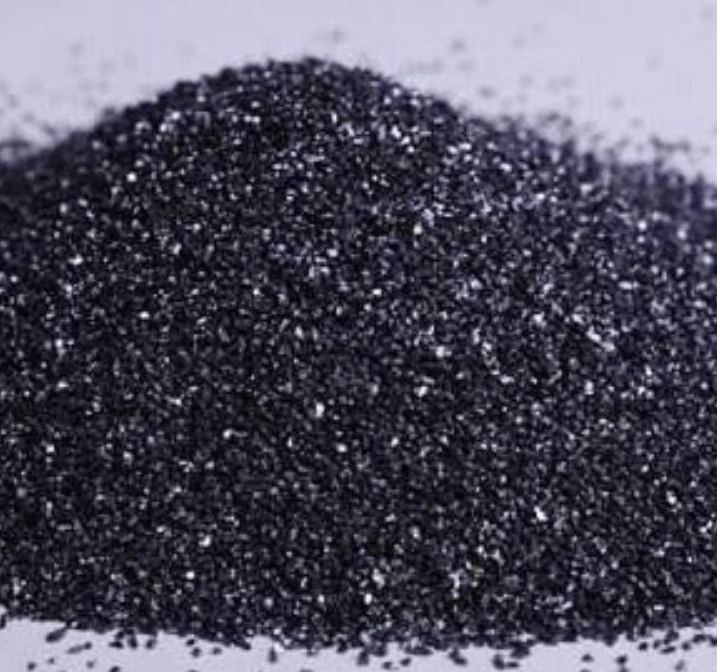
Compared with other abrasive materials, such as Black Silicon Carbide Powder Factory products, white fused alumina has its unique advantages. Black silicon carbide is more brittle and has a higher hardness than white fused alumina in some cases. However, white fused alumina has better chemical stability and is less likely to react with the materials being processed.
In applications where chemical reactivity is a concern, such as in the processing of sensitive metals or in high - temperature environments, white fused alumina is often the preferred choice. On the other hand, black silicon carbide may be more suitable for applications that require extremely high cutting efficiency, such as in the cutting of non - ferrous metals and hard ceramics.
Conclusion
In conclusion, the different grades of white fused alumina offer a wide range of properties and applications. Whether you need high - precision polishing, heavy - duty grinding, or high - temperature resistance, there is a suitable grade of white fused alumina for your needs. As a professional white fused alumina supplier, we are committed to providing high - quality products and excellent service to meet your requirements.
If you are interested in purchasing white fused alumina or have any questions about our products, please feel free to contact us for further discussion. We are looking forward to establishing long - term business relationships with you.
References
- ASTM International. (Year). Standard test methods for abrasive grains and coarse powders.
- Norton Abrasives. (Year). Technical guide to abrasive materials.
- Corhart Refractories. (Year). Refractory materials handbook.