

What are the potential risks in using White Tabular Alumina?
As a supplier of White Tabular Alumina, I've had the privilege of working closely with this remarkable material. White Tabular Alumina is highly valued in various industries for its excellent thermal stability, high purity, and good mechanical properties. However, like any industrial material, it comes with potential risks that users need to be aware of. In this blog, I'll delve into these risks to ensure that those considering using White Tabular Alumina have a comprehensive understanding of its implications.
1. Respiratory Risks
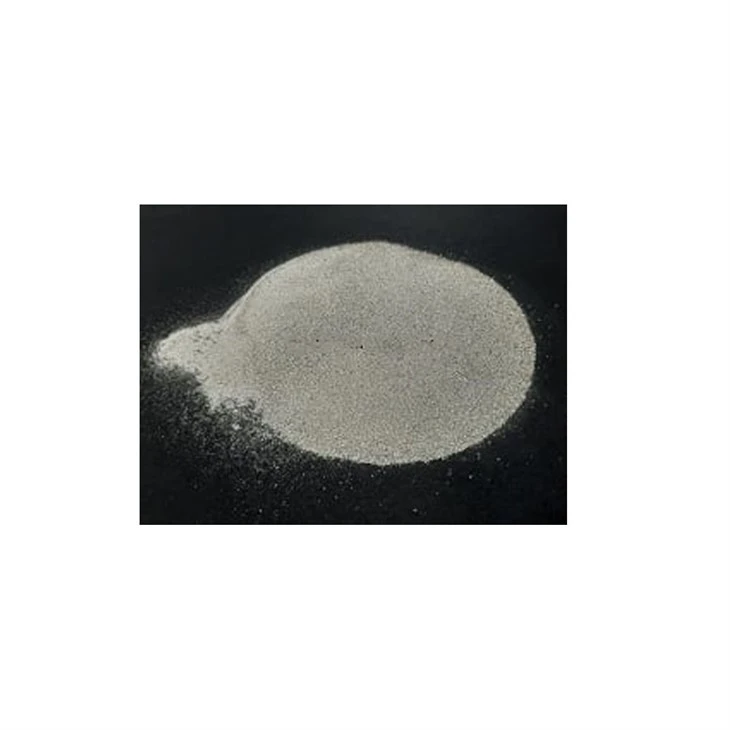
One of the most significant potential risks associated with White Tabular Alumina is related to inhalation. When White Tabular Alumina is handled in powder form, fine particles can become airborne. These particles, if inhaled, can pose a threat to respiratory health.
The inhalation of alumina dust can lead to a condition known as aluminosis. Aluminosis is a type of pneumoconiosis, which is a group of lung diseases caused by the inhalation of dust. In the case of aluminosis, the lungs' tissues become inflamed and scarred due to the presence of alumina particles. Symptoms of aluminosis may include coughing, shortness of breath, and reduced lung function over time.
Long - term exposure to high levels of alumina dust can also increase the risk of developing other respiratory problems, such as chronic obstructive pulmonary disease (COPD). Workers in industries where White Tabular Alumina is processed, such as refractory manufacturing or ceramics production, are particularly at risk. For example, in a refractory manufacturing plant where large quantities of White Tabular Alumina are mixed and shaped, workers may be exposed to high concentrations of dust if proper ventilation and personal protective equipment (PPE) are not used.
To mitigate these risks, it is essential to implement effective dust control measures. This includes using local exhaust ventilation systems to capture dust at the source, wearing appropriate respiratory protection such as N95 respirators, and ensuring that work areas are kept clean to minimize the build - up of dust.
2. Skin and Eye Irritation
White Tabular Alumina can also cause irritation to the skin and eyes. When the material comes into contact with the skin, it can act as an abrasive, causing scratches and abrasions. Prolonged or repeated contact may lead to skin dryness, redness, and itching. In some cases, it can even cause dermatitis, an inflammation of the skin.
Similarly, if White Tabular Alumina particles get into the eyes, they can cause irritation, pain, and redness. In severe cases, they may even cause corneal abrasions, which can be extremely painful and may require medical attention.
Workers handling White Tabular Alumina should wear appropriate protective clothing, including gloves and safety goggles, to prevent skin and eye contact. If skin contact occurs, the affected area should be washed thoroughly with soap and water. In case of eye contact, the eyes should be flushed with clean water for at least 15 minutes, and medical help should be sought immediately.
3. Chemical Reactivity
Although White Tabular Alumina is generally considered a stable material, it can react with certain chemicals under specific conditions. For example, in the presence of strong acids or bases, alumina can undergo chemical reactions.
When reacting with strong acids, such as hydrochloric acid or sulfuric acid, alumina can form metal salts and water. These reactions can be exothermic, meaning they release heat. In a confined space, the heat generated by such a reaction can lead to an increase in temperature and pressure, potentially causing an explosion or fire if the conditions are right.
On the other hand, when reacting with strong bases, such as sodium hydroxide, alumina can form aluminates. These reactions can also be accompanied by the release of heat and may produce hazardous by - products.
It is crucial to store White Tabular Alumina away from strong acids and bases. In industrial settings, proper storage and handling procedures should be in place to prevent accidental mixing of White Tabular Alumina with incompatible chemicals. Additionally, workers should be trained on the potential chemical reactions of White Tabular Alumina and how to respond in case of an accidental chemical spill or reaction.
4. Environmental Risks
The production and use of White Tabular Alumina can also have environmental implications. The mining and processing of bauxite, the raw material used to produce alumina, can cause significant environmental damage. Mining activities can lead to deforestation, soil erosion, and water pollution.
During the production of White Tabular Alumina, energy - intensive processes are involved, which contribute to greenhouse gas emissions. The high - temperature calcination process used to convert alumina into tabular form requires a large amount of energy, usually in the form of fossil fuels. This not only depletes non - renewable energy resources but also releases carbon dioxide and other pollutants into the atmosphere.
In addition, the disposal of waste generated during the production and use of White Tabular Alumina can be a challenge. If not properly managed, waste materials containing alumina can contaminate soil and water sources.
To address these environmental risks, companies in the alumina industry are increasingly adopting sustainable practices. This includes using more energy - efficient production technologies, reducing waste generation, and implementing proper waste management strategies. For example, some companies are exploring the use of renewable energy sources, such as solar or wind power, to power their production facilities.
5. Quality - related Risks
As a supplier, I understand that the quality of White Tabular Alumina can vary significantly. Poor - quality White Tabular Alumina may not meet the required specifications for a particular application, which can lead to product failures and performance issues.
For example, if the purity of White Tabular Alumina is not high enough, it may contain impurities that can affect its chemical and physical properties. In refractory applications, impurities can reduce the thermal stability and corrosion resistance of the refractory materials, leading to premature failure and increased maintenance costs.
In addition, inconsistent particle size distribution can also cause problems. If the particles are too large or too small, it can affect the packing density and flowability of the material, which is crucial in applications such as ceramics and powder metallurgy.
To ensure the quality of White Tabular Alumina, it is essential to source from a reliable supplier. At our company, we have strict quality control measures in place to ensure that our White Tabular Alumina meets the highest standards. We conduct regular testing of our products to ensure their purity, particle size distribution, and other key properties.
Conclusion
While White Tabular Alumina offers many benefits in various industries, it is important to be aware of the potential risks associated with its use. By understanding these risks and implementing appropriate safety and environmental measures, users can minimize the negative impacts and make the most of this valuable material.
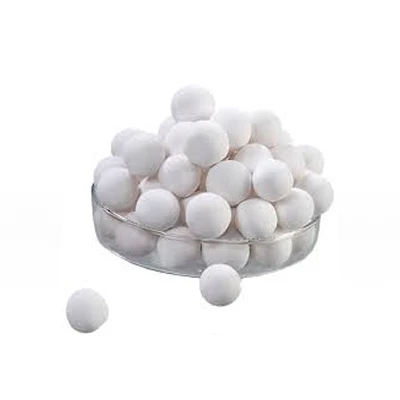
If you are interested in purchasing high - quality White Tabular Alumina or other related products such as MAGNESIUM POWDER -20+100 MESH 99.8% (METALS BASIS) 1kG, China Alumina Fine Powder, or Tabular Alumina Balls, please feel free to contact us for a detailed discussion and to explore how we can meet your specific requirements.
References
- "Occupational Exposure to Alumina Dust and Respiratory Health" - Journal of Occupational and Environmental Medicine
- "Chemical Reactions of Alumina with Acids and Bases" - Journal of Inorganic Chemistry
- "Environmental Impact of Alumina Production" - Environmental Science and Technology Journal