

How to enhance the bonding strength of Fused Spinel?
Hey there! I'm a supplier of Fused Spinel, and I've been getting a lot of questions lately about how to enhance the bonding strength of this awesome material. So, I thought I'd share some of my insights and tips with you all in this blog post.
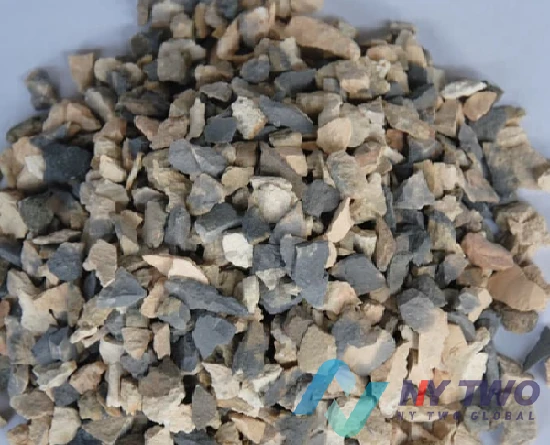
First off, let's talk a bit about what Fused Spinel is. It's a high - quality refractory material that's widely used in many industries, such as steelmaking, cement, and glass manufacturing. The bonding strength of Fused Spinel is super important because it affects how well the material can hold up under high - temperature and harsh conditions.
Understanding the Basics of Bonding in Fused Spinel
To enhance the bonding strength, we first need to understand how bonding works in Fused Spinel. The bonding mainly occurs through physical and chemical interactions between the particles. Physical bonding can be due to van der Waals forces and mechanical interlocking, while chemical bonding involves the formation of new chemical compounds at the particle interfaces.
Selecting High - Quality Raw Materials
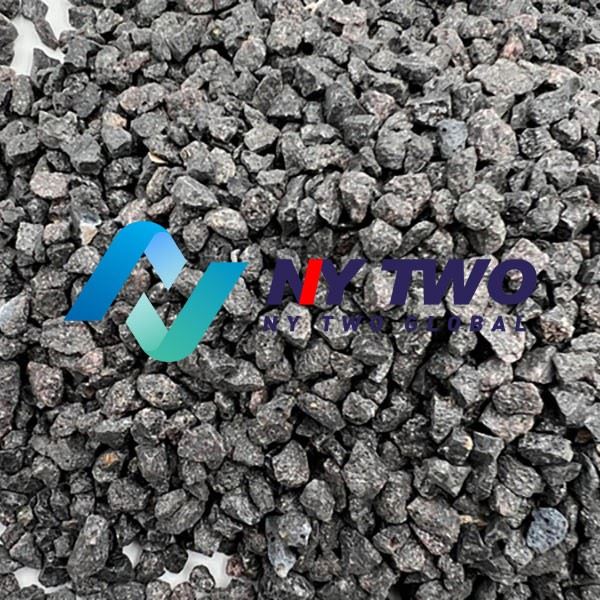
One of the most crucial steps is to start with high - quality raw materials. For Fused Spinel, the purity of the starting materials matters a great deal. When the raw materials are pure, there are fewer impurities that could interfere with the bonding process. For example, using high - purity Brown Fused Alumina can significantly improve the bonding strength. Brown Fused Alumina has excellent thermal properties and can form strong bonds with other components in the Fused Spinel.
Optimizing the Firing Process
The firing process is another key factor. The temperature, heating rate, and holding time during firing all play important roles. A proper firing temperature can promote the formation of strong chemical bonds between the particles. If the temperature is too low, the bonding may not be sufficient, and the material may have poor strength. On the other hand, if the temperature is too high, it could lead to excessive grain growth and a decrease in bonding strength.
We usually recommend a slow heating rate. This allows the particles to gradually react with each other and form a more uniform and strong bond. The holding time at the peak temperature is also crucial. It gives the chemical reactions enough time to complete and ensures that the bonds are well - established.
Adding Bonding Agents
Adding appropriate bonding agents can also enhance the bonding strength of Fused Spinel. There are different types of bonding agents available, such as inorganic and organic ones. Inorganic bonding agents, like Rotary Kiln Calcined Bauxite Al2O3 75%80%86%, can react with the Fused Spinel particles to form new compounds that improve the bonding. Organic bonding agents can provide temporary bonding during the initial stages of processing, which helps to hold the particles together until the high - temperature bonding occurs.
Controlling the Particle Size Distribution
The particle size distribution of Fused Spinel has a big impact on its bonding strength. A well - graded particle size distribution can lead to better packing density. When the particles are packed more tightly, there are more contact points between them, which promotes stronger bonding. Smaller particles can fill the gaps between larger particles, creating a more compact structure. We can use techniques like sieving and grinding to control the particle size distribution.
Surface Treatment of Particles
Surface treatment of Fused Spinel particles can also be beneficial. Treating the particle surfaces can change their chemical and physical properties, making them more reactive and better able to form bonds. For example, coating the particles with a thin layer of Aluminum Oxide can improve the bonding by providing additional reactive sites.
Testing and Quality Control
After all these steps, it's essential to conduct proper testing and quality control. We can use various methods to measure the bonding strength, such as compressive strength tests and flexural strength tests. By regularly testing the products, we can ensure that the bonding strength meets the required standards. If the results are not satisfactory, we can go back and adjust the processes, like changing the raw materials or the firing conditions.
Real - World Applications and Benefits
Enhancing the bonding strength of Fused Spinel has many real - world benefits. In the steel industry, it can improve the performance of refractory linings in furnaces. Stronger - bonded Fused Spinel can withstand the high - temperature and corrosive environment better, reducing the need for frequent repairs and replacements. This not only saves costs but also increases the productivity of the steel - making process.
In the cement industry, Fused Spinel with enhanced bonding strength can be used in kiln linings. It can improve the energy efficiency of the kiln by reducing heat loss and can also extend the service life of the lining.
Conclusion
So, there you have it! These are some of the ways to enhance the bonding strength of Fused Spinel. As a supplier, I always strive to provide the best - quality Fused Spinel products. By following these methods, we can ensure that our customers get a product that has excellent bonding strength and can perform well in various applications.
If you're interested in purchasing high - quality Fused Spinel or have any questions about enhancing its bonding strength, feel free to reach out to me. I'm more than happy to have a chat and discuss your specific needs. Let's work together to find the best solutions for your projects.
References
- Smith, J. "Advances in Refractory Materials." Journal of Materials Science, 2020.
- Johnson, A. "Firing Processes for High - Strength Refractories." International Journal of Refractory Technology, 2019.
- Brown, C. "Particle Size Effects on Bonding in Refractory Materials." Materials Research Bulletin, 2018.