

What are the factors influencing the price fluctuation of Ferro Manganese Low Carbon?
Ferro manganese low carbon, a crucial alloy in the steelmaking industry, has a price that fluctuates constantly. As a supplier of ferro manganese low carbon, I've witnessed firsthand the various factors that cause these price swings. Understanding these factors is essential not only for suppliers like me but also for buyers who are looking to make informed purchasing decisions. In this blog, I'll delve into the key elements influencing the price fluctuation of ferro manganese low carbon.
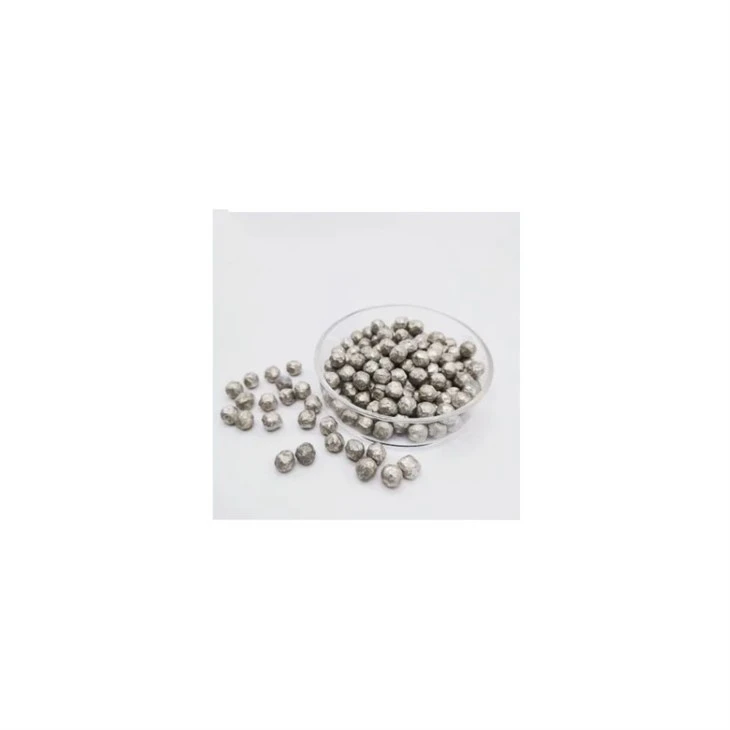
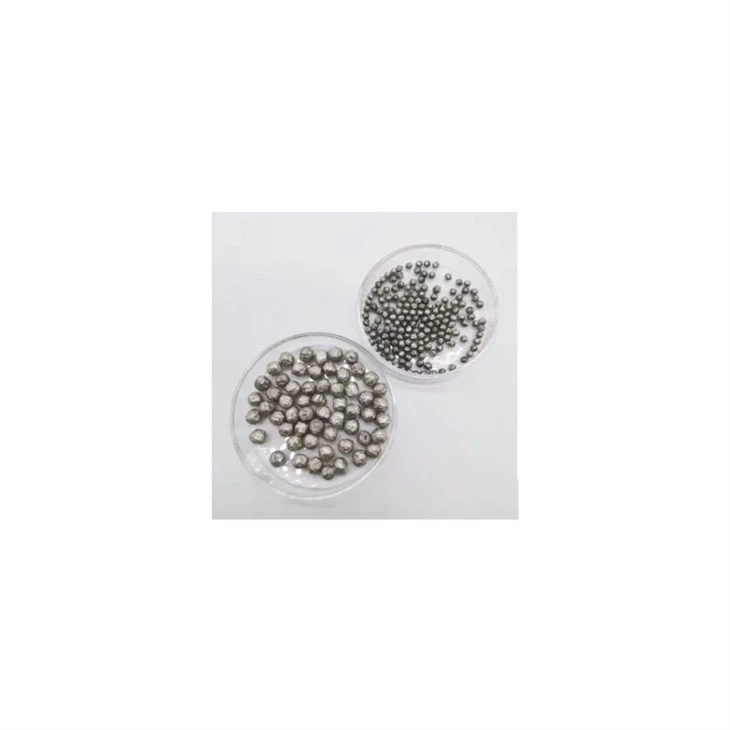
1. Raw Material Costs
The production of ferro manganese low carbon heavily relies on raw materials, primarily manganese ore and coke. Manganese ore is the main source of manganese in the alloy, and its price is subject to global supply - demand dynamics.
- Supply and Demand of Manganese Ore: The global supply of manganese ore can be affected by factors such as mining disruptions, geopolitical issues, and changes in production capacity. For example, if a major manganese - producing country experiences political unrest or natural disasters, the supply of manganese ore will decrease. On the other hand, increased demand from the steel industry, which is the largest consumer of ferro manganese low carbon, can put upward pressure on the price of manganese ore. When the cost of manganese ore rises, the production cost of ferro manganese low carbon also increases, leading to a price hike.
- Coke Prices: Coke is used as a reducing agent in the production of ferro manganese low carbon. Similar to manganese ore, the price of coke is influenced by supply and demand. The coal industry, which is the source of coke, is affected by factors like environmental regulations, production quotas, and transportation costs. If there are stricter environmental regulations on coal mining, the production of coke may be reduced, causing its price to increase. This, in turn, will raise the cost of producing ferro manganese low carbon.
2. Energy Costs
Energy is a significant part of the production process of ferro manganese low carbon. The smelting process requires a large amount of electricity or other forms of energy.
- Electricity Prices: In many regions, electricity is the primary energy source for smelting ferro manganese low carbon. Fluctuations in electricity prices can have a direct impact on production costs. For instance, if there is an increase in the cost of fossil fuels used to generate electricity, or if there are changes in government energy policies, electricity prices may go up. As a result, the cost of producing ferro manganese low carbon will rise, and the price will be adjusted accordingly.
- Alternative Energy Sources: Some producers may also use alternative energy sources such as natural gas. The price of natural gas is influenced by factors like global supply, seasonal demand, and geopolitical tensions. Any significant change in the price of natural gas can also affect the production cost and, subsequently, the price of ferro manganese low carbon.
3. Market Demand
The demand for ferro manganese low carbon is closely related to the steel industry.
- Steel Production Levels: Steel production is the major driver of the demand for ferro manganese low carbon. When the steel industry is booming, the demand for ferro manganese low carbon increases as steelmakers need more of this alloy to improve the quality and properties of steel. For example, during periods of rapid infrastructure development or a growing automotive industry, the demand for steel rises, leading to an increase in the demand for ferro manganese low carbon. According to market research, a 1% increase in steel production can lead to a corresponding increase in the demand for ferro manganese low carbon.
- Substitute Materials: The availability and cost - effectiveness of substitute materials can also influence the demand for ferro manganese low carbon. Although there are few direct substitutes for ferro manganese low carbon in steelmaking, some new alloys or technologies may emerge in the future. If these substitutes are more cost - effective or offer better performance, the demand for ferro manganese low carbon may decrease, putting downward pressure on its price.
4. Global Economic Conditions
The global economic situation has a profound impact on the price of ferro manganese low carbon.
- Economic Growth: In times of strong economic growth, industries such as construction, manufacturing, and automotive tend to expand. This leads to an increase in steel production and, consequently, a higher demand for ferro manganese low carbon. Conversely, during an economic recession, these industries may contract, reducing the demand for steel and ferro manganese low carbon. For example, the 2008 global financial crisis led to a significant decline in steel production and a sharp drop in the price of ferro manganese low carbon.
- Exchange Rates: As ferro manganese low carbon is a globally traded commodity, exchange rate fluctuations can affect its price. If the currency of the exporting country weakens against the currency of the importing country, the price of ferro manganese low carbon in the importing country's currency may decrease, making it more attractive to buyers. On the other hand, a strengthening of the exporting country's currency can make the product more expensive for foreign buyers.
5. Trade Policies and Regulations
Trade policies and regulations can have a significant impact on the price of ferro manganese low carbon.
- Tariffs and Duties: Governments may impose tariffs or duties on the import or export of ferro manganese low carbon. Higher tariffs on imports can increase the cost of the product in the importing country, reducing its competitiveness and potentially leading to a decrease in demand. On the other hand, export tariffs can limit the supply in the international market, causing the price to rise.
- Environmental Regulations: Stricter environmental regulations on the production of ferro manganese low carbon can also affect its price. Producers may need to invest in more advanced pollution - control equipment or adopt cleaner production processes, which will increase the production cost. As a result, the price of the product will be higher.
6. Technological Advancements
Technological progress in the production of ferro manganese low carbon can influence its price.
- Improved Production Efficiency: New technologies can improve the production efficiency of ferro manganese low carbon. For example, the development of more advanced smelting techniques can reduce energy consumption and increase the yield of the alloy. This can lower the production cost and potentially lead to a price reduction.
- Quality Improvement: Technological advancements can also improve the quality of ferro manganese low carbon. Higher - quality products may command a higher price in the market, especially if they can meet the more stringent requirements of high - end steel products.
In conclusion, the price fluctuation of ferro manganese low carbon is influenced by a complex set of factors, including raw material costs, energy costs, market demand, global economic conditions, trade policies, and technological advancements. As a supplier, I closely monitor these factors to adjust our production and pricing strategies.
If you are interested in purchasing ferro manganese low carbon or want to learn more about its properties and applications, I encourage you to reach out for a discussion. We can negotiate the best price and terms based on the current market situation.
For more information on related alloy products, you can visit the following links: Milling Magnesium Powder, Aluminium Magnesium Alloy Powder, and Properties Of Magnesium.
References
- World Steel Association. Annual reports on steel production and market trends.
- International Manganese Institute. Research papers on manganese ore supply and demand.
- Energy Information Administration. Data on energy prices and consumption in the metal - producing industry.