

What is the bulk density of White Tabular Alumina?
As a supplier of White Tabular Alumina, one of the most frequently asked questions I encounter is about its bulk density. Understanding the bulk density of White Tabular Alumina is crucial for various industries, including refractories, ceramics, and abrasives. In this blog, I will delve into what bulk density is, how it is measured, and why it matters in the context of White Tabular Alumina.
What is Bulk Density?
Bulk density is a physical property that represents the mass of a material per unit volume in its loose, uncompacted state. It is typically expressed in grams per cubic centimeter (g/cm³) or kilograms per cubic meter (kg/m³). Bulk density takes into account not only the mass of the solid particles but also the volume of the voids between them. This is different from true density, which only considers the mass of the solid material itself without accounting for the void spaces.
For White Tabular Alumina, the bulk density can vary depending on factors such as particle size distribution, particle shape, and the degree of packing. Fine - grained White Tabular Alumina may have a lower bulk density compared to coarser - grained material because finer particles tend to pack less efficiently, leaving more voids between them.
Measuring the Bulk Density of White Tabular Alumina
There are several standard methods for measuring the bulk density of granular materials like White Tabular Alumina. One common approach is the use of a graduated cylinder. Here's a step - by - step process:
- Prepare the sample: Ensure that the White Tabular Alumina sample is representative of the entire batch. It should be dry and free from any foreign materials.
- Select the container: Choose a clean, dry graduated cylinder of an appropriate size. The cylinder should be large enough to hold the sample without overflowing.
- Fill the cylinder: Slowly pour the White Tabular Alumina sample into the graduated cylinder. Try to avoid compacting the material during the filling process. Fill the cylinder to a certain volume, making sure to read the volume accurately at the meniscus.
- Weigh the sample: After filling the cylinder, weigh the cylinder with the sample using a precision balance. Then subtract the weight of the empty cylinder to obtain the mass of the White Tabular Alumina sample.
- Calculate the bulk density: Divide the mass of the sample by the volume of the sample in the cylinder. The result is the bulk density of the White Tabular Alumina.
Another method involves using a funnel and a measuring cup. The sample is poured through the funnel into the measuring cup, and the excess material is leveled off. The mass of the sample in the cup is then measured, and the bulk density is calculated as described above.
Why Bulk Density Matters for White Tabular Alumina
The bulk density of White Tabular Alumina has significant implications for its handling, storage, and performance in various applications.
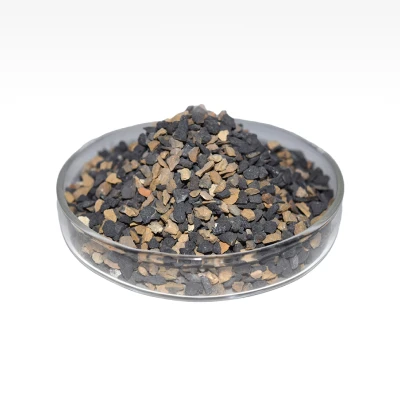
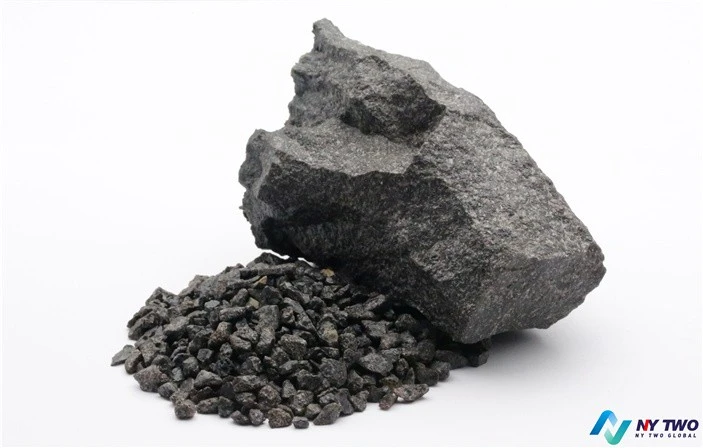
Handling and Storage
- Transportation: A lower bulk density means that more volume is required to transport a given mass of White Tabular Alumina. This can increase transportation costs, as more space is needed in trucks, containers, or other transport vehicles.
- Storage: In storage facilities, the bulk density affects the amount of material that can be stored in a given volume. A higher bulk density allows for more efficient use of storage space, reducing the overall storage cost.
Performance in Applications
- Refractories: In the refractory industry, the bulk density of White Tabular Alumina can influence the porosity and strength of the final refractory product. A higher bulk density may result in a more dense and less porous refractory, which can improve its resistance to corrosion and thermal shock.
- Ceramics: For ceramic applications, the bulk density can affect the sintering behavior and mechanical properties of the ceramic products. A well - controlled bulk density can help ensure consistent quality and performance of the ceramics.
- Abrasives: In abrasive products, the bulk density can impact the cutting and grinding efficiency. A proper bulk density can ensure that the abrasive particles are evenly distributed and bonded in the abrasive tool, leading to better performance.
Factors Affecting the Bulk Density of White Tabular Alumina
As mentioned earlier, particle size distribution and particle shape are two major factors that affect the bulk density of White Tabular Alumina.
Particle Size Distribution
A narrow particle size distribution generally leads to a higher bulk density because particles of similar size can pack more efficiently. On the other hand, a wide particle size distribution may result in a lower bulk density as smaller particles can fill the voids between larger particles, but the overall packing is less organized.
Particle Shape
Spherical particles tend to pack more efficiently than irregularly shaped particles. White Tabular Alumina with spherical particles will have a higher bulk density compared to material with angular or elongated particles. The manufacturing process can influence the particle shape, and efforts are often made to produce particles with a more spherical shape to improve the bulk density.
Manufacturing Process
The production process of White Tabular Alumina can also affect its bulk density. For example, the calcination temperature and time can influence the crystal structure and density of the alumina. Higher calcination temperatures may result in a more dense and crystalline product, which can increase the bulk density.
Our Offerings as a White Tabular Alumina Supplier
As a leading supplier of White Tabular Alumina, we understand the importance of bulk density and its impact on our customers' applications. We offer White Tabular Alumina with a wide range of bulk densities to meet the diverse needs of different industries.
Our manufacturing process is carefully controlled to ensure consistent particle size distribution and particle shape, which in turn helps maintain a stable bulk density. We also conduct rigorous quality control tests on each batch of White Tabular Alumina to ensure that the bulk density meets the specified requirements.
In addition to White Tabular Alumina, we also supply other related products such as Bauxite Homogenizer, Brown Fused Alumina Polishing Powder, and Brown Fused Alumina. These products are also of high quality and are widely used in various industries.
Contact Us for Your White Tabular Alumina Needs
If you are interested in purchasing White Tabular Alumina or have any questions about its bulk density or other properties, please feel free to contact us. We have a team of experts who can provide you with detailed information and technical support. Whether you need a small sample for testing or a large - scale supply for your production, we are committed to meeting your requirements with high - quality products and excellent service.
References
- ASTM D6393 - 14(2019), Standard Test Method for Determination of Bulk Density of Granular Soils Using a Relatively Inexpensive Field Method.
- Perry, R. H., & Green, D. W. (1997). Perry's Chemical Engineers' Handbook. McGraw - Hill.
- Reed, J. S. (1995). Principles of Ceramic Processing. Wiley.