

What is the fluidity of High Carbon Ferro Manganese during melting?
Hey there! As a supplier of High Carbon Ferro Manganese, I often get asked about the fluidity of this alloy during the melting process. So, I thought I'd take a moment to break it down and share some insights with you.
First off, let's talk about what High Carbon Ferro Manganese is. It's an alloy composed mainly of manganese, iron, and a relatively high percentage of carbon. This alloy is widely used in the steelmaking industry to improve the strength, hardness, and wear resistance of steel. But when it comes to melting it, the fluidity plays a crucial role in how well it can be incorporated into the steelmaking process.
Fluidity refers to the ability of a molten metal or alloy to flow easily and fill a mold or cavity. In the case of High Carbon Ferro Manganese, good fluidity is essential for several reasons. When we're melting it down to add it to the steel, we need it to mix evenly with the other components. If the fluidity is poor, it might not disperse properly, leading to uneven distribution of manganese and carbon in the final steel product. This can result in inconsistent quality, with some parts of the steel being stronger or more wear - resistant than others.
Several factors can affect the fluidity of High Carbon Ferro Manganese during melting. One of the most significant factors is temperature. Generally, as the temperature of the molten alloy increases, its fluidity improves. At higher temperatures, the atoms in the alloy have more energy and can move more freely, allowing the alloy to flow more easily. However, there's a limit to how high we can raise the temperature. Excessive heat can cause other problems, such as increased oxidation of the alloy, which can lead to the formation of unwanted oxides and reduce the overall quality of the alloy.
The chemical composition of the High Carbon Ferro Manganese also has a big impact on its fluidity. The amount of carbon, manganese, and other trace elements can all influence how the alloy behaves when melted. For example, a higher carbon content can sometimes increase the viscosity of the molten alloy, reducing its fluidity. On the other hand, the right balance of other elements can help improve fluidity.
Another factor is the melting environment. If the melting is done in a vacuum or an inert gas atmosphere, it can reduce the oxidation of the alloy and potentially improve its fluidity. Oxidation can form a layer of oxides on the surface of the molten alloy, which can impede its flow. By controlling the melting environment, we can minimize this effect.
Now, let's compare High Carbon Ferro Manganese with some other related alloys. For instance, Ferro Manganese Low Carbon has a lower carbon content. This generally means that it might have different fluidity characteristics during melting. The lower carbon content can result in a lower viscosity in the molten state, perhaps leading to better fluidity compared to High Carbon Ferro Manganese. However, the exact difference depends on other factors like the exact manganese content and the presence of other elements.
In addition, when looking at other alloy products like Milling Magnesium Powder and Magnesium Metal Powder (20 Mesh), 99.8%, their melting and fluidity properties are quite different from High Carbon Ferro Manganese. Magnesium - based alloys have lower melting points and different chemical behaviors. They are often used in different applications, such as in the aerospace and automotive industries for their lightweight properties.
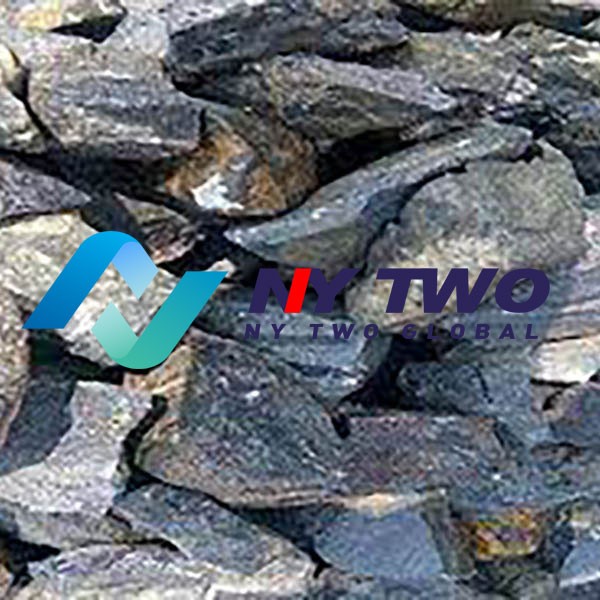
As a supplier, I've seen firsthand how important it is to understand the fluidity of High Carbon Ferro Manganese. We work hard to ensure that the alloy we supply has consistent fluidity characteristics. We use advanced melting techniques and quality control measures to make sure that the temperature, chemical composition, and melting environment are all optimized. This way, our customers can get the best - quality alloy that will perform well in their steel - making processes.
We also provide technical support to our customers. If you're having trouble with the fluidity of the High Carbon Ferro Manganese you're using, we can help you troubleshoot. Maybe the temperature in your melting furnace needs adjustment, or perhaps the chemical composition of the alloy isn't quite right for your specific process. Our team of experts can analyze your situation and offer solutions.
If you're in the market for High Carbon Ferro Manganese, or if you have any questions about its fluidity or other properties, don't hesitate to reach out. We're here to help you get the best - performing alloy for your needs. Whether you're a small - scale steel producer or a large industrial manufacturer, we can provide you with the right quantity and quality of High Carbon Ferro Manganese.
In conclusion, understanding the fluidity of High Carbon Ferro Manganese during melting is crucial for producing high - quality steel products. By considering factors like temperature, chemical composition, and melting environment, we can ensure that the alloy flows well and mixes evenly with other components in the steel - making process. As a supplier, we're committed to providing you with the best - quality alloy and the support you need to make your production processes as efficient and successful as possible. So, if you're interested in learning more or making a purchase, just get in touch, and we'll start that conversation.
References
- ASM Handbook Committee. (2004). ASM Handbook, Volume 1: Properties and Selection: Irons, Steels, and High - Performance Alloys. ASM International.
- Schlesinger, M. E., King, M. J., Sole, K. C., & Davenport, W. G. (2011). Extractive Metallurgy of Copper. Butterworth - Heinemann.