

What is the magnetic property of Fused Magnesia?
Hey there! As a supplier of Fused Magnesia, I often get asked about its various properties. One question that pops up quite a bit is about its magnetic property. So, let's dive right in and explore what the magnetic property of Fused Magnesia is all about.
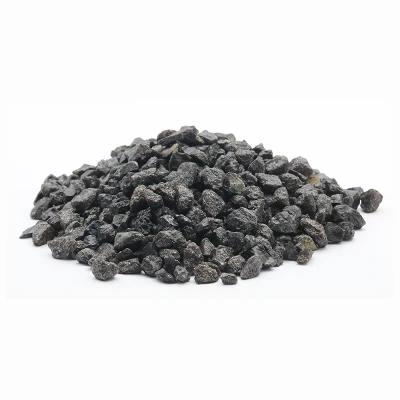
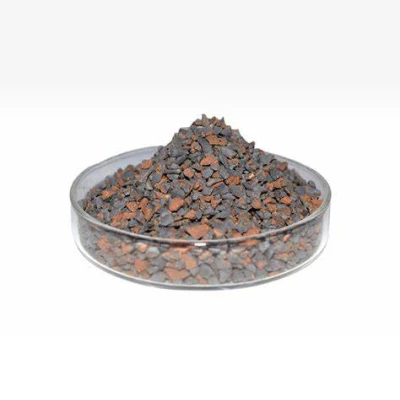
First off, let's understand what Fused Magnesia is. Fused Magnesia is produced by melting high - purity magnesite in an electric arc furnace at extremely high temperatures. This process results in a product with high density, excellent refractoriness, and good chemical stability. It's widely used in the refractory industry, steelmaking, and other high - temperature applications.
Now, when it comes to the magnetic property of Fused Magnesia, it's generally considered to be non - magnetic. Magnesia (MgO), the main component of Fused Magnesia, has a crystal structure where the electrons are paired up in such a way that there is no net magnetic moment. In simple terms, the magnetic fields created by the electrons cancel each other out, so there's no overall magnetic effect.
To understand this better, let's take a quick look at the basic principles of magnetism. There are three main types of magnetic materials: ferromagnetic, paramagnetic, and diamagnetic. Ferromagnetic materials, like iron and nickel, have a strong magnetic response and can be magnetized easily. Paramagnetic materials are weakly attracted to magnetic fields, and diamagnetic materials are weakly repelled by magnetic fields.
Fused Magnesia falls into the diamagnetic category. Diamagnetism is a property that all materials possess to some extent. When a diamagnetic material is placed in a magnetic field, it creates an induced magnetic field in the opposite direction, causing a weak repulsion. However, this effect is very small in Fused Magnesia. The reason for its diamagnetism lies in the electronic configuration of magnesium and oxygen atoms in the MgO lattice. The paired electrons in the atomic orbitals respond to the external magnetic field by generating a small opposing magnetic field.
This non - magnetic property of Fused Magnesia is actually quite beneficial in many applications. In the refractory industry, for example, non - magnetic materials are preferred in environments where magnetic interference can cause problems. In steelmaking, Fused Magnesia bricks are used to line furnaces. Since they are non - magnetic, they won't interact with the magnetic fields generated by the electrical equipment in the furnace, ensuring smooth and efficient operation.
Another advantage of the non - magnetic nature of Fused Magnesia is in the production of electronic components. In some high - tech manufacturing processes, even a small amount of magnetic interference can disrupt the performance of electronic devices. Using non - magnetic Fused Magnesia in insulation materials or as a substrate can help prevent such issues.
Now, let's compare Fused Magnesia with some other refractory materials in terms of magnetic properties. Arc Fused Alumina is another popular refractory material. Similar to Fused Magnesia, it is also diamagnetic. Arc Fused Alumina is made by melting alumina in an electric arc furnace. Its diamagnetic property makes it suitable for applications where magnetic interference needs to be avoided, just like Fused Magnesia.
Sintered Mullite is also a non - magnetic refractory material. It is produced by sintering a mixture of alumina and silica. The non - magnetic nature of Sintered Mullite allows it to be used in various high - temperature applications without the risk of magnetic interference.
Brown Fused Aluminum Oxide is yet another refractory material. It has similar magnetic properties to Fused Magnesia and Arc Fused Alumina. Brown Fused Aluminum Oxide is made by fusing bauxite, and its non - magnetic characteristic makes it a good choice for applications in the refractory and abrasive industries.
As a supplier of Fused Magnesia, I know that the quality of the product can also affect its magnetic properties. The purity of the raw materials used in the production of Fused Magnesia plays a crucial role. Impurities in the magnesite can introduce magnetic elements, which may slightly alter the magnetic behavior of the final product. That's why we at our company take great care in selecting high - purity raw materials and using advanced production processes to ensure the consistency and quality of our Fused Magnesia.
We also offer different grades of Fused Magnesia to meet the specific requirements of our customers. Whether you need a high - purity grade for critical applications or a more cost - effective grade for general use, we've got you covered. Our Fused Magnesia products are tested rigorously to ensure that they meet the highest industry standards, including the non - magnetic property.
If you're in the market for Fused Magnesia, or if you have any questions about its magnetic property or other aspects, don't hesitate to get in touch. We're always here to help you find the right solution for your needs. Whether you're in the refractory industry, steelmaking, or any other field that requires high - quality refractory materials, our Fused Magnesia can be a great choice.
In conclusion, the magnetic property of Fused Magnesia is an important characteristic that affects its suitability for various applications. Its diamagnetic nature, with a weak repulsion to magnetic fields, makes it a non - magnetic material that is ideal for use in environments where magnetic interference is a concern. As a reliable supplier, we are committed to providing high - quality Fused Magnesia products that meet your specific requirements. So, if you're interested in purchasing Fused Magnesia, reach out to us and let's start a conversation about your procurement needs.
References
- Handbook of Refractory Materials
- Introduction to Solid State Physics by Charles Kittel
- Journal of Materials Science and Technology articles on refractory materials