

What is the thermal conductivity of Brown Fused Alumina?
Brown Fused Alumina, a widely used abrasive and refractory material, has been a staple in various industrial applications for decades. As a leading supplier of Brown Fused Alumina, I often encounter questions regarding its thermal conductivity. In this blog post, I will delve into the concept of thermal conductivity, explain what it means for Brown Fused Alumina, and discuss its implications in real - world applications.
Understanding Thermal Conductivity
Thermal conductivity is a fundamental property of materials that describes their ability to conduct heat. It is defined as the quantity of heat (in watts) that passes through a unit area (in square meters) of a material per unit thickness (in meters) per unit temperature difference (in Kelvin). The SI unit for thermal conductivity is W/(m·K).
Materials with high thermal conductivity, such as metals like copper and aluminum, can transfer heat rapidly. On the other hand, materials with low thermal conductivity, like insulators such as fiberglass and polystyrene, resist the flow of heat. The thermal conductivity of a material depends on several factors, including its chemical composition, crystal structure, density, and temperature.
Thermal Conductivity of Brown Fused Alumina
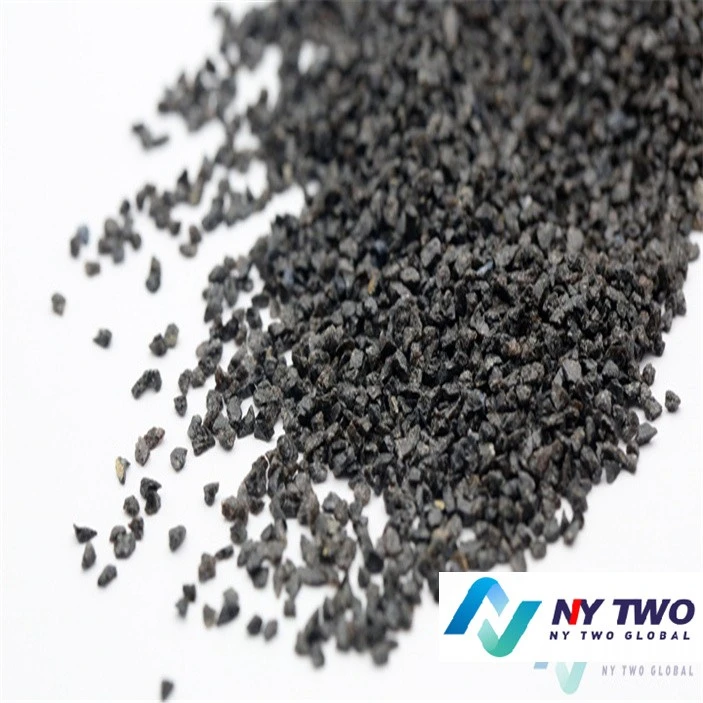
Brown Fused Alumina is a type of corundum, which is an aluminum oxide (Al₂O₃) crystalline form. Its thermal conductivity is influenced by its high alumina content, typically ranging from 94% - 97%. The presence of other impurities, such as titanium dioxide (TiO₂) and silicon dioxide (SiO₂), also affects its thermal properties.
The thermal conductivity of Brown Fused Alumina generally falls in the range of 20 - 30 W/(m·K) at room temperature. This value can vary depending on the specific manufacturing process, particle size, and density of the material. For instance, a denser Brown Fused Alumina product may have a slightly higher thermal conductivity compared to a less dense one.
Compared to other common materials, Brown Fused Alumina has a relatively high thermal conductivity. This makes it an excellent choice for applications where efficient heat transfer is required. For example, in abrasive applications, the high thermal conductivity helps to dissipate the heat generated during the grinding or cutting process, preventing overheating and damage to the workpiece.
Factors Affecting the Thermal Conductivity of Brown Fused Alumina
- Chemical Composition: As mentioned earlier, the alumina content and the presence of impurities play a crucial role in determining the thermal conductivity. Higher alumina content generally leads to higher thermal conductivity. Impurities can either enhance or reduce the thermal conductivity depending on their nature and concentration.
- Crystal Structure: The crystal structure of Brown Fused Alumina can affect its thermal conductivity. A well - ordered crystal structure allows for more efficient heat transfer through the lattice vibrations. Manufacturing processes that promote a more uniform and ordered crystal structure can result in higher thermal conductivity.
- Particle Size and Porosity: Smaller particle sizes and lower porosity usually lead to higher thermal conductivity. Smaller particles have a larger surface area for heat transfer, and lower porosity reduces the presence of air pockets, which are poor heat conductors.
Applications Based on Thermal Conductivity
- Abrasive Industry: In the abrasive industry, Brown Fused Alumina is used in grinding wheels, sandpaper, and abrasive blasting media. Its high thermal conductivity helps to quickly dissipate the heat generated during the abrasion process. This not only improves the cutting efficiency but also extends the lifespan of the abrasive tool.
- Refractory Industry: In the refractory industry, Brown Fused Alumina is used to manufacture refractory bricks, linings, and castables. The high thermal conductivity allows for rapid heat transfer within the refractory material, which is essential for applications in high - temperature environments such as furnaces and kilns. It helps to maintain a uniform temperature distribution and prevents thermal stress cracking.
- Thermal Management: Brown Fused Alumina can also be used in thermal management applications, such as heat sinks and thermal interface materials. Its ability to conduct heat efficiently makes it suitable for transferring heat away from electronic components, ensuring their proper functioning and longevity.
Comparison with Other Corundum Types
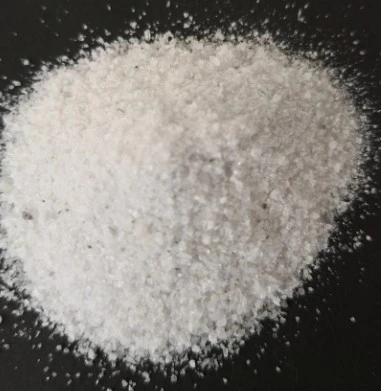
When comparing Brown Fused Alumina with other types of corundum, such as white corundum, there are some differences in thermal conductivity. White corundum, also known as WA White Corundum Sand WA White Corundum Sand, has a higher purity (usually over 99% alumina). Generally, white corundum has a slightly higher thermal conductivity than Brown Fused Alumina due to its higher alumina content and more uniform crystal structure. However, the difference may not be significant in many applications. You can learn more about the differences between brown corundum and white corundum at Brown Corundum And White Corundum Difference.
For a more in - depth understanding of the properties and classification of corundum, you can refer to Properties And Classification Of Corundum.
Importance of Thermal Conductivity in Product Selection
When selecting Brown Fused Alumina for a specific application, the thermal conductivity is an important factor to consider. For applications where rapid heat dissipation is critical, a product with higher thermal conductivity should be chosen. On the other hand, if the application requires more insulation or heat retention, a product with lower thermal conductivity may be more suitable.
Quality Control and Thermal Conductivity
As a supplier of Brown Fused Alumina, we pay close attention to quality control to ensure consistent thermal conductivity in our products. We use advanced manufacturing processes and strict quality assurance measures to control the chemical composition, crystal structure, particle size, and porosity. This allows us to offer products with predictable and reliable thermal conductivity for our customers.
Conclusion
The thermal conductivity of Brown Fused Alumina is an important property that determines its performance in various industrial applications. With a thermal conductivity in the range of 20 - 30 W/(m·K) at room temperature, it offers efficient heat transfer capabilities. Understanding the factors that affect its thermal conductivity, such as chemical composition, crystal structure, and particle size, can help in selecting the right product for specific applications.
If you are in the market for high - quality Brown Fused Alumina products, we invite you to contact us for procurement and further discussions. Our team of experts is ready to assist you in choosing the most suitable product based on your requirements.
References
- "Handbook of Thermal Conductivity of Solids", by Robert B. Tye
- "Corundum: Properties and Applications", Journal of Materials Science